
Autumn can be an overwhelming time of year for nature and wildlife photography. At its best, autumn delivers the conditions we photographers dream of. Picture canopies of gorgeous golden leaves and crisp, misty mornings. But it doesn’t last long; a couple of weeks at best. Even then, one ill-timed storm can lay waste to our hopes and dreams, stripping the trees of the beautiful colours we hope to make the most of.
So how do I get around this? I prepare well in advance by scouting ahead of the season’s peak. This short Field Notes post looks at how I prepare for one of the most photogenic seasons on my home turf around Rainford Village.
Shortlisting Locations in Advance
Ahead of peak autumn, I spent a lot of time scouting my local area with my camera. Typically, I’ll visit the same locations at different times of day. The idea behind this is to build a clear picture of what wildlife can be found in a given area and the times of day they’re most active. Most of our native species are habitual. Cracking their code gives you the best possible advantage when it comes to photographing them in their natural environment.
Looking for wildlife is one thing, but it’s also important to consider the wider environment. For example, consider the tree species present in the area and the direction the sun moves across the scene. Certain tree species reach peak autumnal colour before others; it’s important to factor this into any decision-making. Similarly, shooting towards bright light will produce striking silhouettes, but it’s not always ideal for properly exposing subjects. Direction of light is a key compositional consideration.
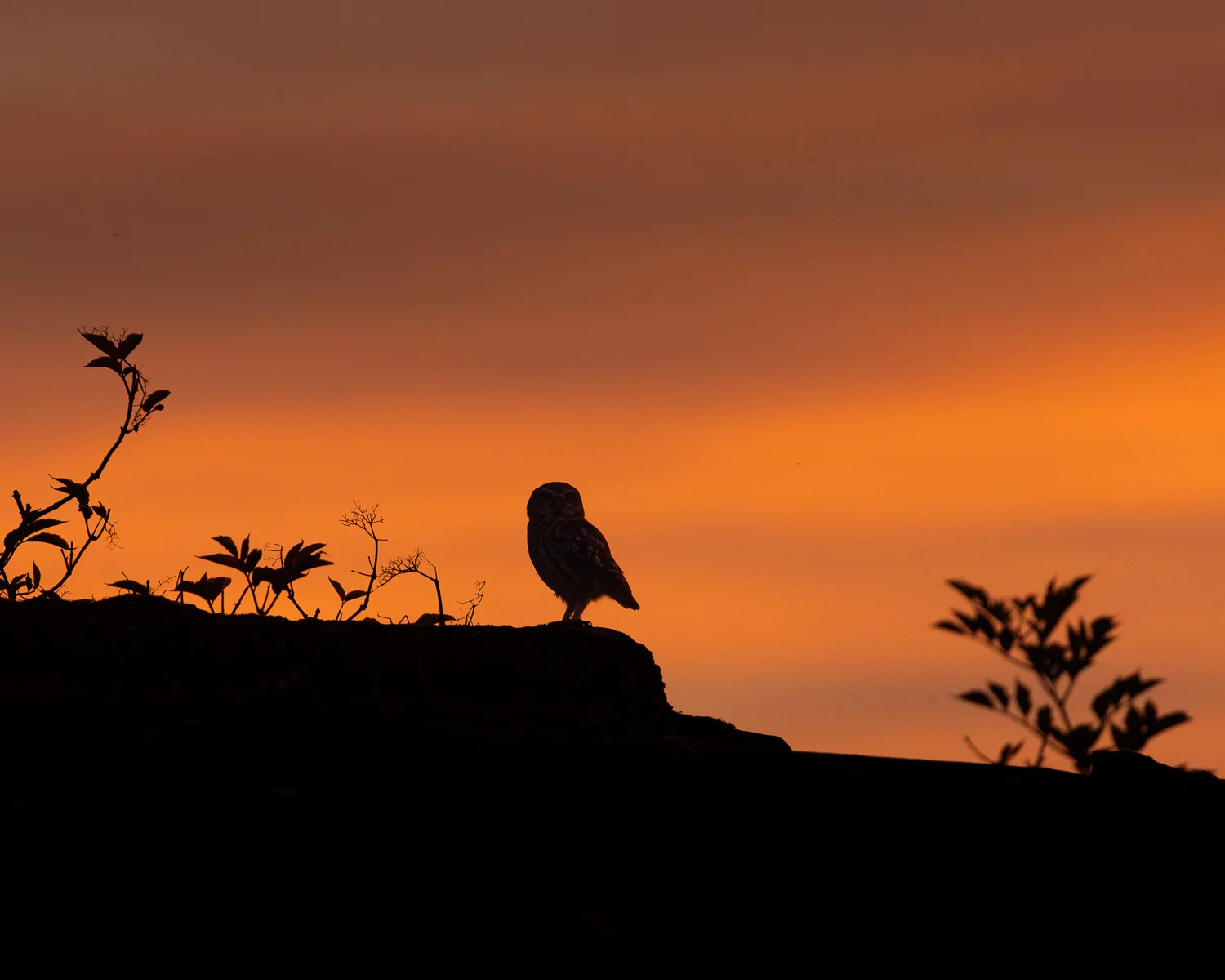
Once I feel I’ve built a clear picture of the activity in a given area, I capture a handful of record shots. These record shots note my subject, the direction of light, and the environment. I tag each record shot in Adobe Lightroom with key information such as the species, location, time of day, and habitat. This information eventually forms a database of information I can refer to when peak autumn arrives, helping me to plan my trips more effectively.
Wildlife Photography Scouting Examples
Below is a selection of images captured over the past few weeks in preparation for peak autumn. Under each example, I’ll briefly touch on the challenges faced and the conditions I’m looking forward to when peak autumn arrives.
Elusive Roe Deer
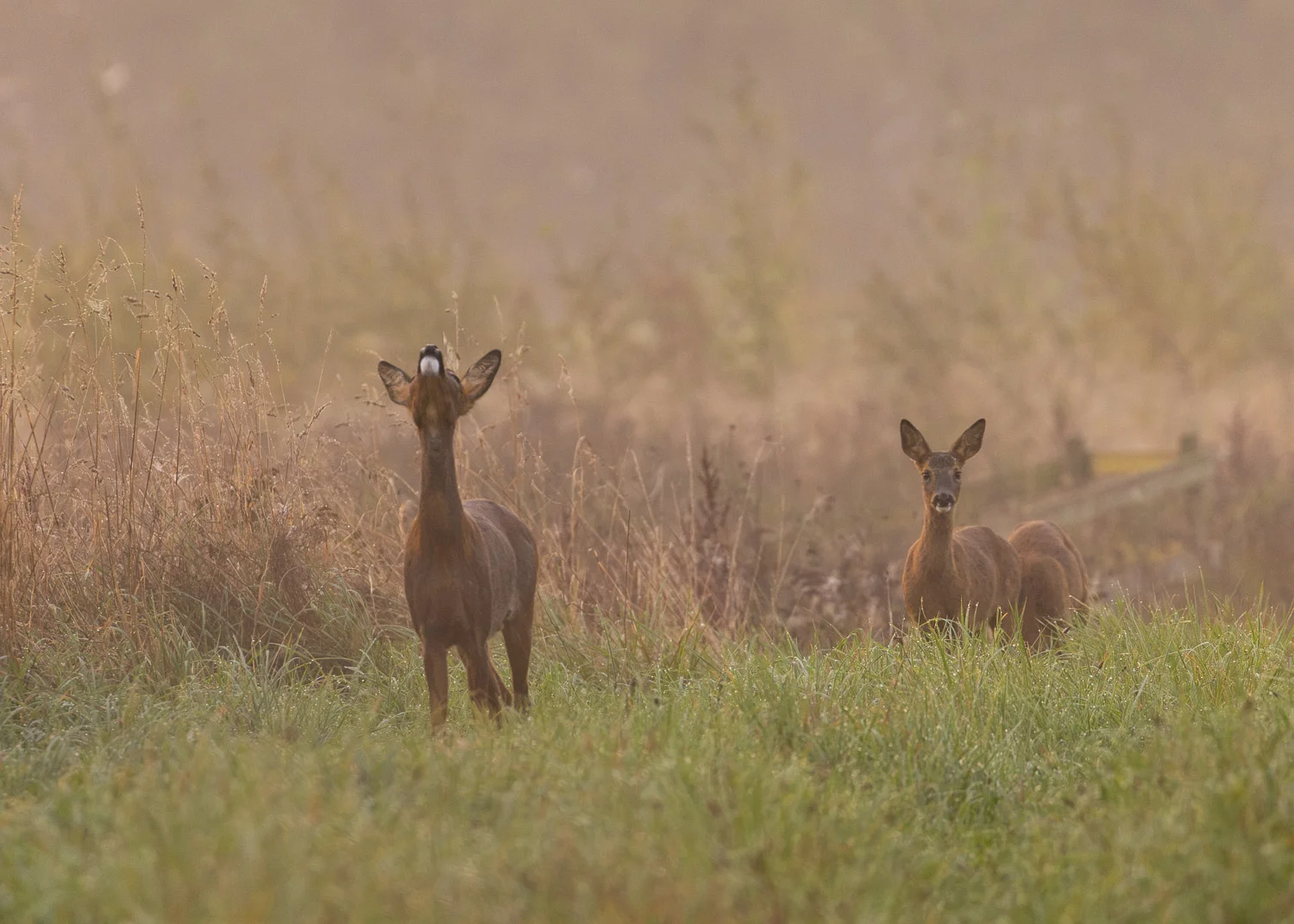
I find it unbelievably difficult to get close to local roe deer. I’m rarely looking to fill a frame; that’s not my style. I much prefer environmental photographs showing my subjects interacting with their habitats. But roe deer, they’re always on high alert. Their acute sense of smell means you need to be downwind, and they also have keen sight and hearing. They also browse across broad territories, so there’s an element of luck involved in being in the right place at the right time.
That said, I’ve stumbled across a fairly productive spot with plenty of vegetation to take cover amongst. With peak autumnal colour in the surrounding trees and a smidgen of glorious golden hour light, this location has serious potential. Whether I succeed or not will largely be down to my patience and fieldcraft skills.

Perfectly Camouflaged Treecreepers
I’ve recently become obsessed with treecreepers. I’ve dedicated weeks to tracking down these small creatures, and it hasn’t been easy. I’m very familiar with their call and their preferred habitat; that’s not the issue. The problem is actually spotting them. Their camouflage is unbelievable, especially when they’re flitting around the shaded parts of trees.
Despite this, I’ve managed to locate a couple of ancient oak trees in a nearby woodland that these beautiful birds seem to adore. This location in particular is more productive around sunset. I think it would look pretty spectacular once the oak trees start to sport their autumnal colours. My goal is to capture not only the autumnal colour, but the perfect adaptations of the treecreepers in their natural environment.

Angelic Barn Owls
It seems to have been an incredible year for barn owls locally. After years of heartbreaking decline, this has been a real pleasure to witness. I will just say, this isn’t necessarily representative of the wider population. It’s my assumption about my local area based on what I’ve seen during my extensive time out in the field.
However, the true test is yet to begin. At this time of year, juveniles begin the challenging prospect of finding their own territories and fending for themselves. Sadly, most juvenile owls succumb to the often brutal conditions that autumn and winter bring. Extended periods of wet, blustery weather can leave owls struggling to hunt due to their lack of waterproof feathers.
Luckily, it has been a pretty mild start to autumn so far. But I can’t see it lasting, especially with the threat of El Niño looming. Throughout autumn, I tend to avoid photographing barn owls during calm periods after several days of challenging weather. Purely because I don’t want to risk adding any more pressure to them.
I’m no stranger to photographing barn owls, so my focus for autumn is capturing something a little more unique. I’ll be looking out for low, raking golden light and pushing the limits of slow shutter speeds. One of the joys of being incredibly close to this iconic species is that I’m in no rush to get “the shot”. Often I’m content just observing them and not even lifting my camera.

