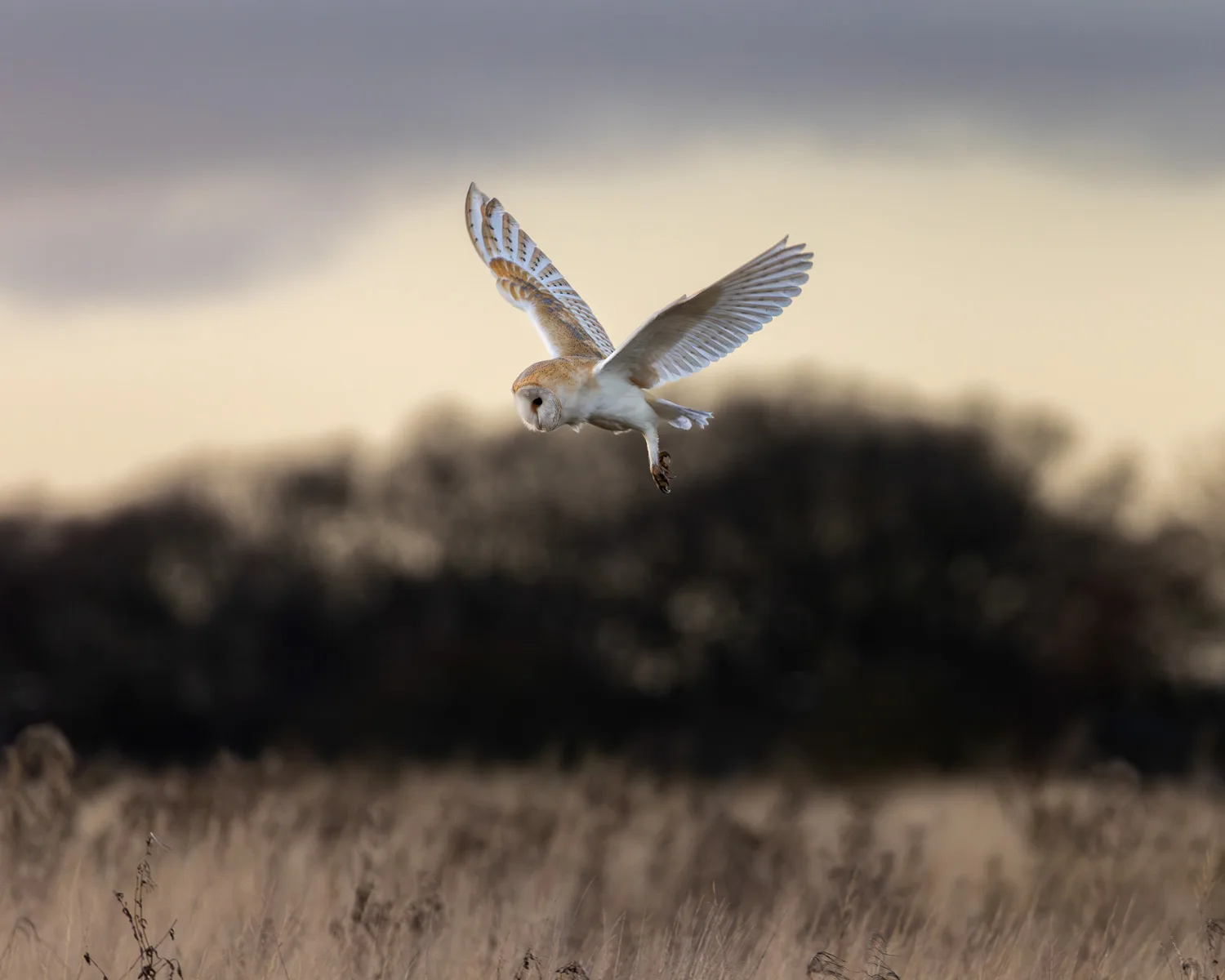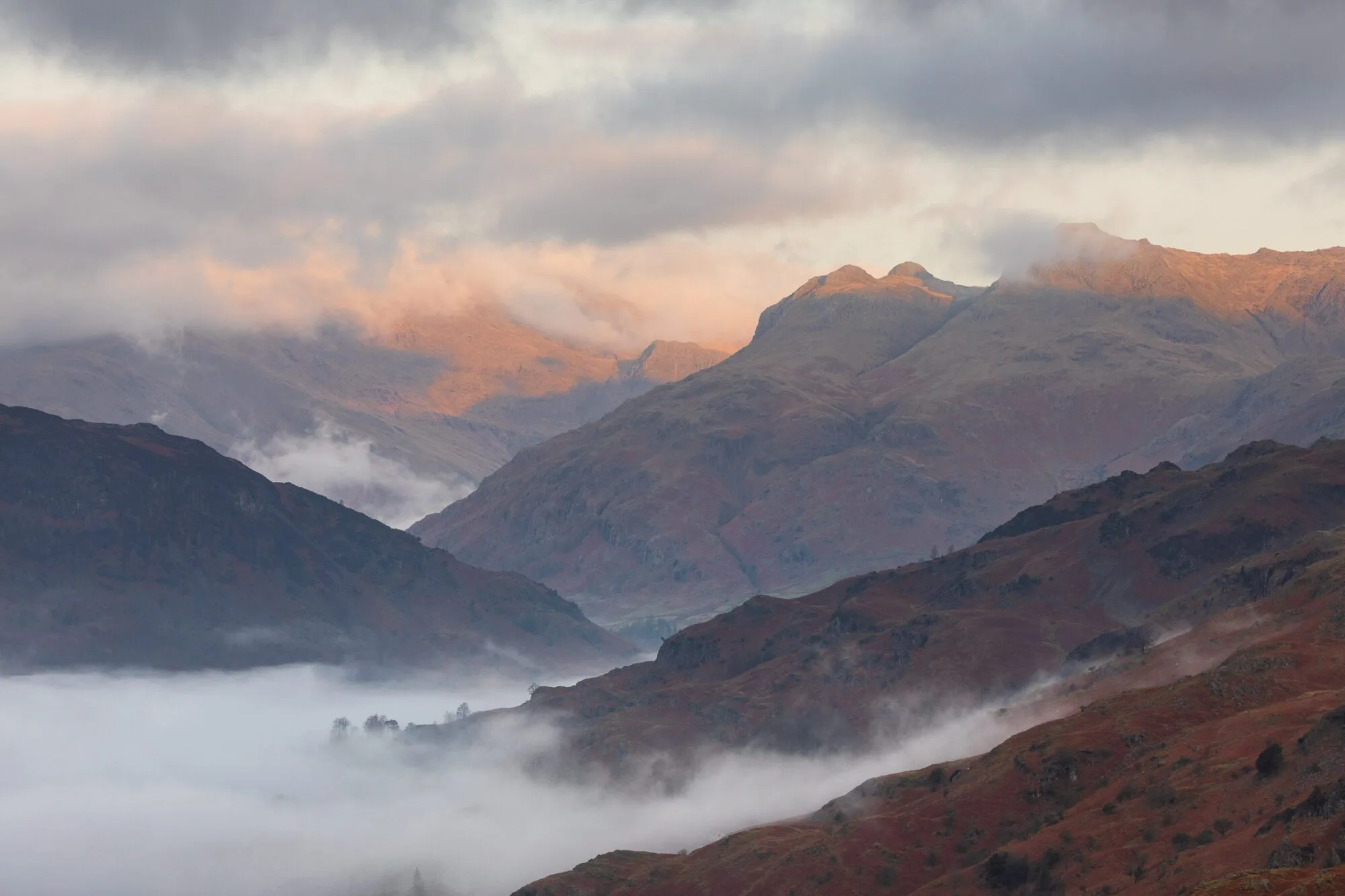
How does my approach to nature and landscape photography influence my creative process and connection to the outdoors?
Two of the things I value most in life are photography and my connection to nature. Ever since my late teens, I have been obsessed with capturing the beauty of the great outdoors. When I’m outdoors with my camera, time slows right down, and my senses take over. All of the stresses and strains of life disappear, replaced by an overwhelming feeling of comfort and belonging.
In recent years, my approach to nature and landscape photography has evolved. I’ve learned to slow down and savour the moment. I used to feel disappointed if I didn’t come home with an image I’d had in mind, an experience I bet most of us share. But I’ve realised that this relentless pressure to deliver results ruins the joys of simply being present in the moment. The second you stop chasing “the shot,” you start to notice the finer details that truly matter, and your photographs begin to capture true emotion.
My Philosophy of Seeing
Nature provides the puzzle; it’s my job to piece it together.
One thing you quickly realise when you start to spend time outdoors is that wildlife and landscapes rarely reveal their beauty all at once. It doesn’t matter how familiar you are with your subjects; there are always subtle details left to discover. My most memorable photographs come from slowing down and paying attention to these smaller details and how they interact with the wider environment.
Observations form the foundations of my approach to nature and landscape photography. I’ll often spend hours outdoors, watching as subtle changes in light reshape the landscape.
I’m also inspired by seasonality and the unpredictability of the UK’s dynamic weather. These sometimes extreme details often direct my photography, helping me capture the emotion and beauty in subjects that would no doubt otherwise be overlooked.
The Importance of Light
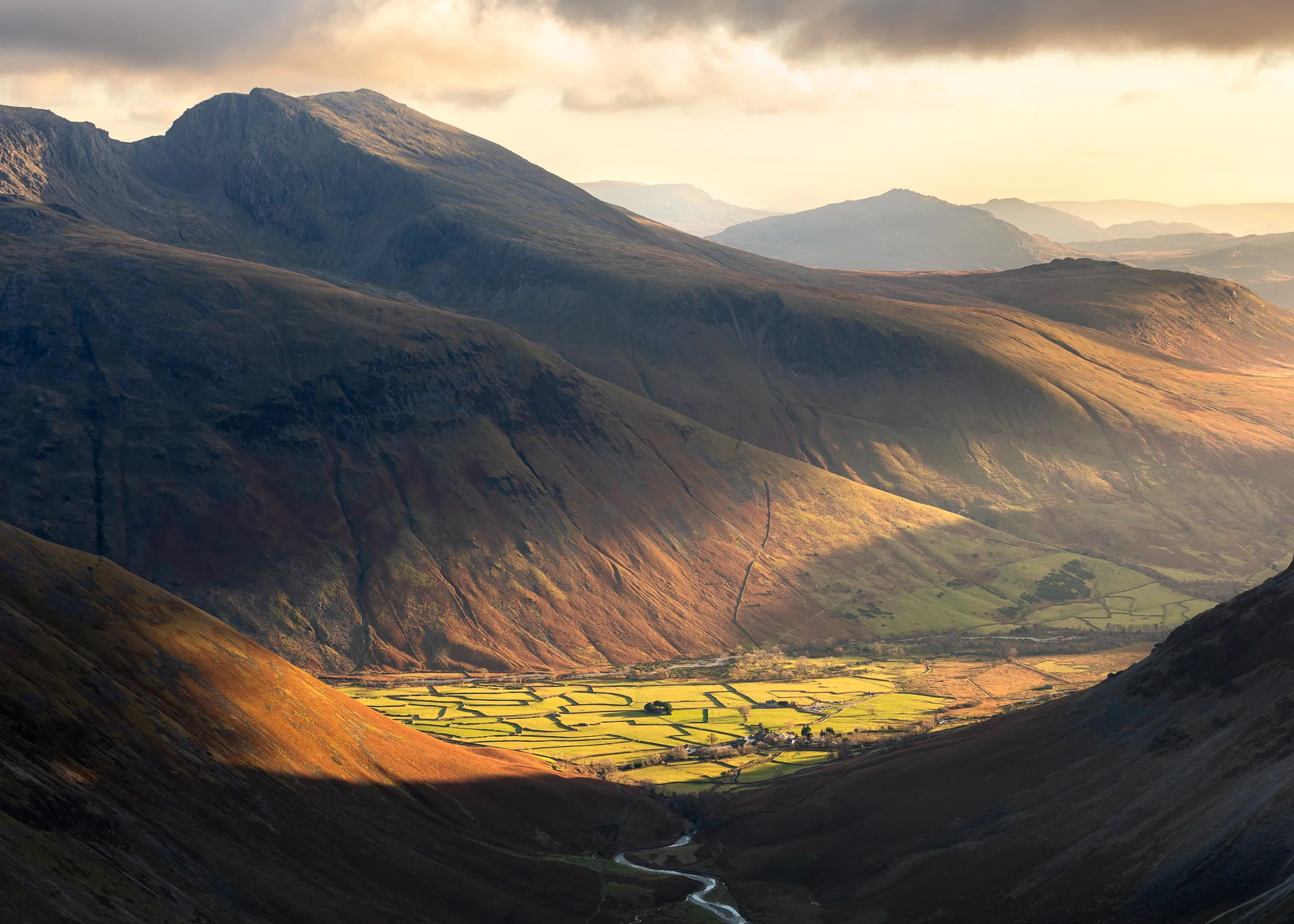
I can’t even begin to explain how often I return to the same locations at different times of day, not to chase dramatic conditions, but to discover their hidden beauty. The more time I spend walking through the same woodlands, trekking along natural trails, and observing wildlife, the more I begin to notice the dramatic impact of changing light.
Light and shadow pretty much dictate composition. Subtle details such as the angle, direction, and intensity of light shape the stories I tell. The colour temperature of light throughout the day is also important. I try to visualise how light interacts with my subjects throughout the year. Winter light is generally softer, warmer, and lower, more favourable for capturing natural subjects.
As the seasons change, so too does the light. Photographing the same subjects and landscapes throughout the year allows me to tell the story of their seasonal transitions.
Seasonal Transitions
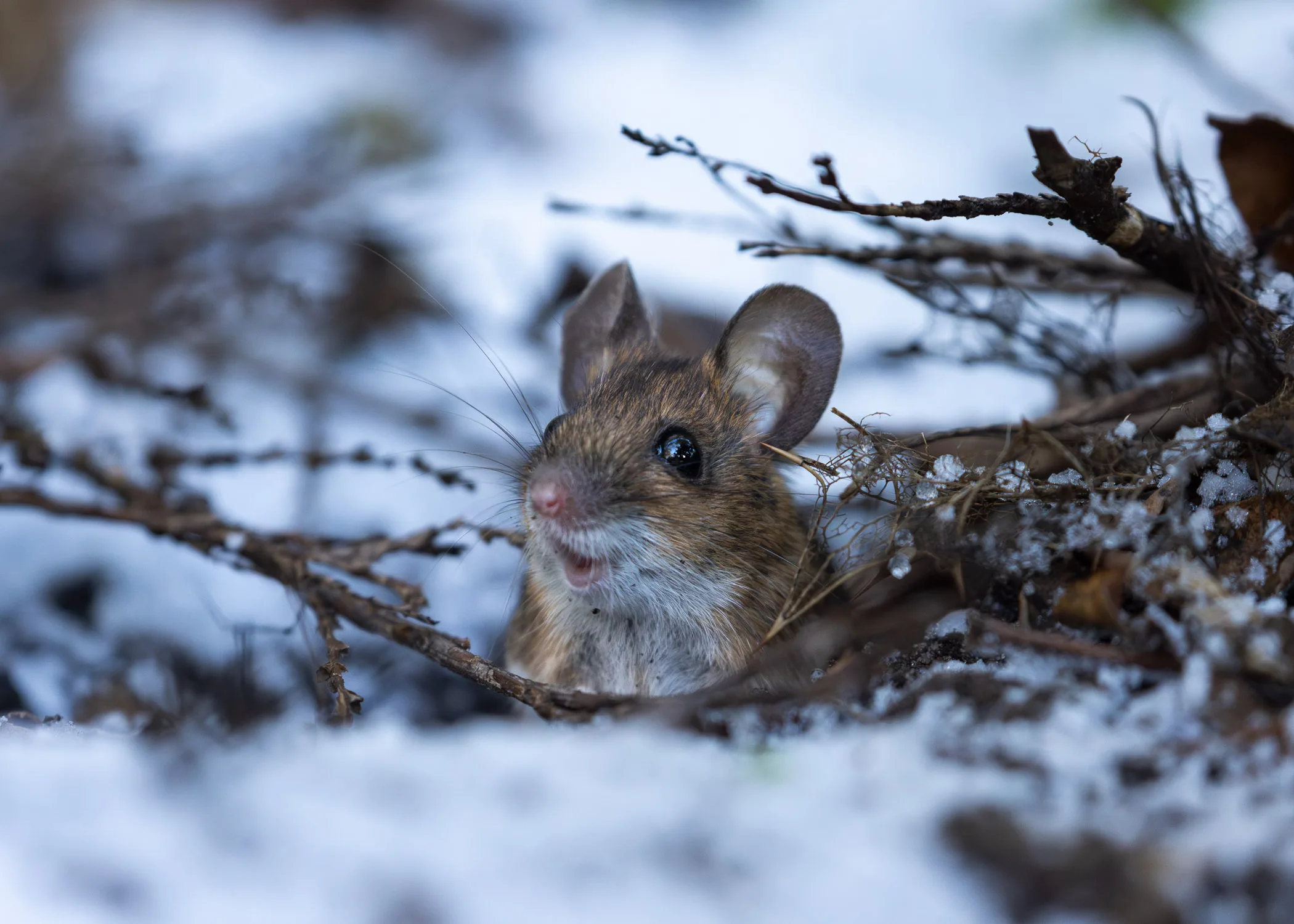
Understanding how my subjects adapt to the changing seasons helps me tell the story of their natural resilience. Nature is raw and beautiful, but above all, it’s in a constant battle for survival. When looking for unique ways to photograph my subjects, the first thing I consider is how they respond to seasonal change.
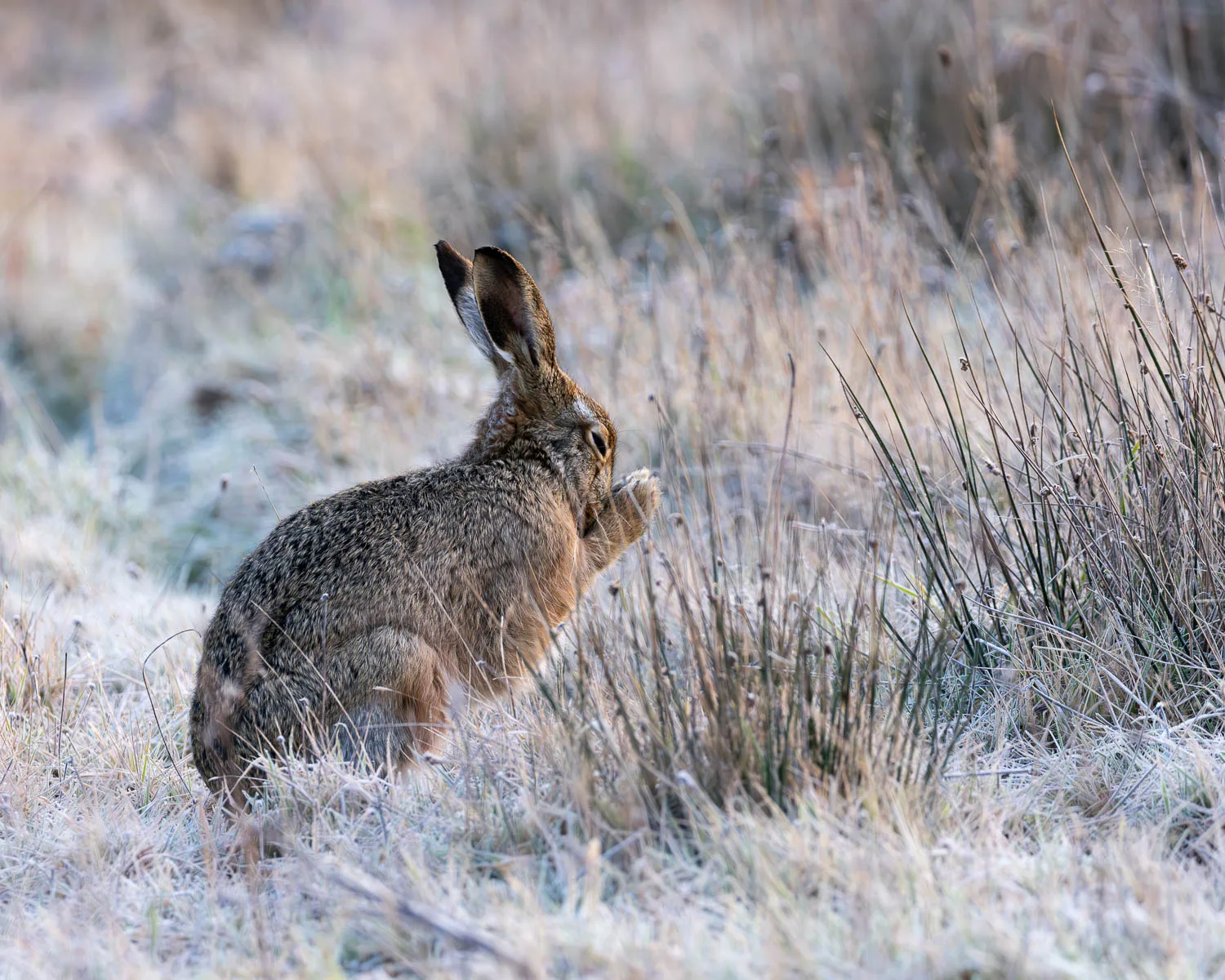
Throughout winter, I focus on capturing beauty behind the struggle; a season when landscapes lie dormant, and wildlife does all it can to endure the relentless cold. These intimate moments of resilience reveal a hidden side of the natural world and are a constant source of inspiration in my work.
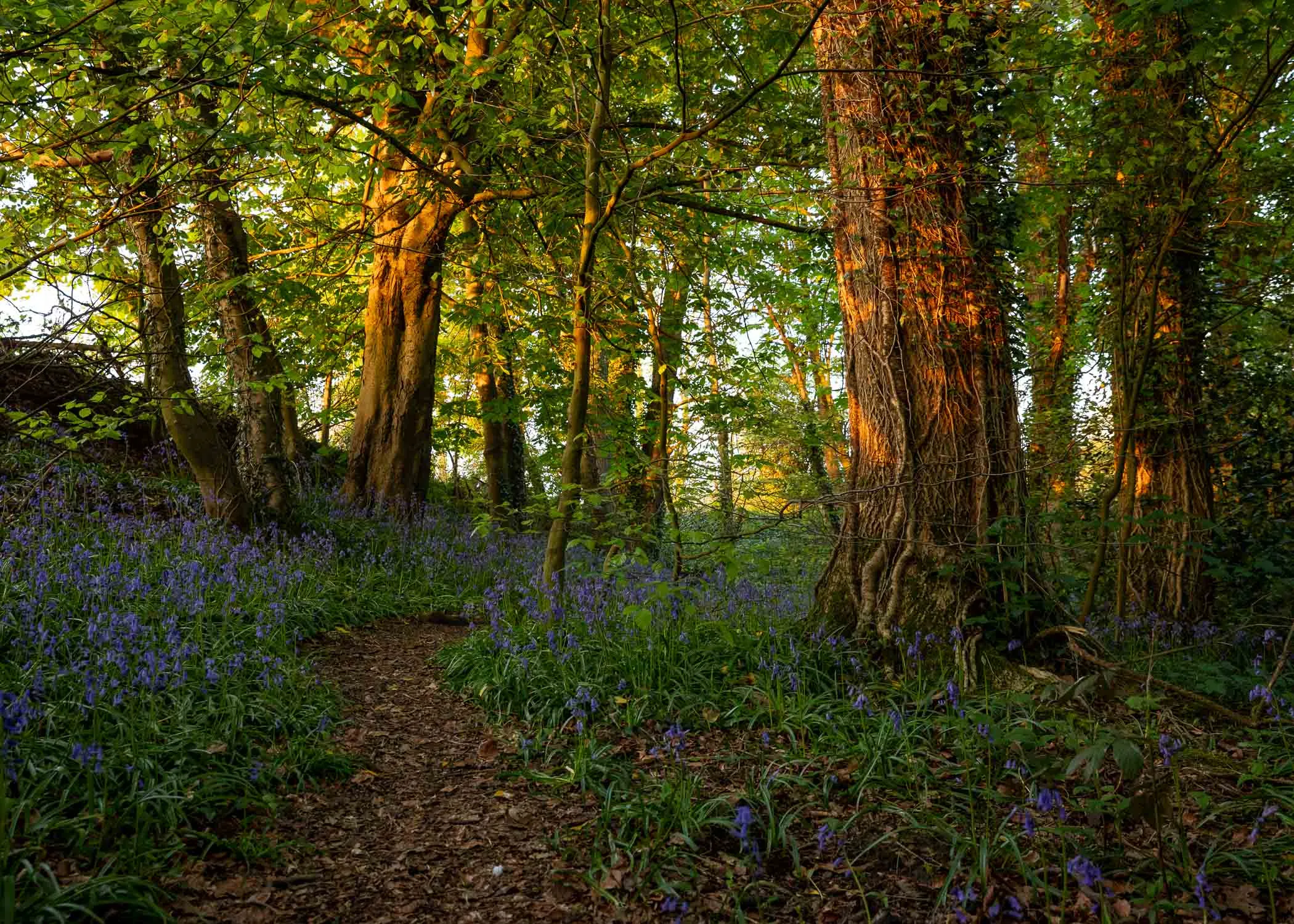
Spring is never far behind. As the days grow longer, signs of new life begin to flourish. One thing I’ve come to realise is just how quickly nature awakens from its wintry slumber. It starts with the shoots of delicate snowdrops, and before you know it, glorious carpets of bluebells and wild garlic are in full bloom.
Slowing down and witnessing the transition from winter to spring is one of the greatest pleasures you can experience as a photographer.
My Connection to the Outdoors
I wasn’t built for city life. I much prefer the peace and quiet of countryside living. I’ve been fortunate enough to live in the countryside almost my entire life, and throughout that time, I’ve built a close bond with nature. The outdoors has always been where I feel most grounded; a place where I can slow down, clear my mind, and photograph nature’s intimate details.
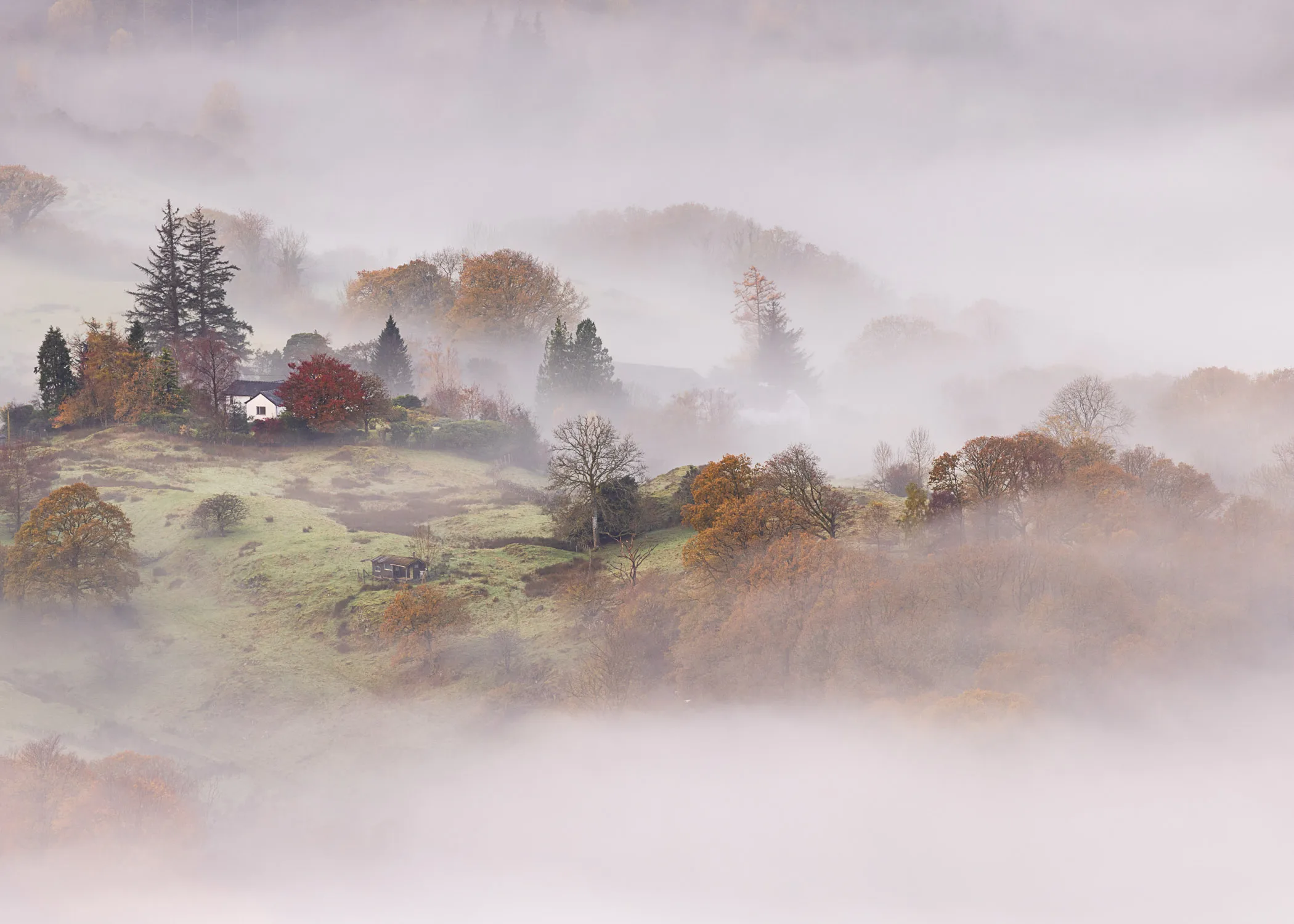
I feel most at home surrounded by the mountainous vistas of the Lake District and the raw beauty of ancient local woodlands. I thrive in the unknown, where observations and creativity guide my photography. I revisit my favourite locations time and time again, hoping that one day I can capture their true beauty. Each trip is a learning experience and another opportunity to enjoy a moment in nature with my camera.
I respect and care deeply for all things nature and the great outdoors, and this influences my approach to photography. I’m a big believer that no photograph should result in disruption or damage to wildlife or the landscape as a whole. My love for the outdoors forms the foundation for my upcoming book, WILD RAINFORD.
Creative Process
My creative process usually begins long before I even pick up my camera. I find it so much easier to discover details with my own two eyes than through the viewfinder. The first thing I do is let my senses guide me. I try to avoid turning up at a location with a pre-planned composition; nine times out of ten, this only leads to disappointment. Instead, I look for light, seasonal details, textures, and subtle relationships between my subject(s) and their environment.
When I feel like I’ve uncovered enough pieces of the puzzle, I’ll pull out my camera and start to assemble the puzzle into some form of composition.
Mastering Composition
Composition is where I pull together the unique pieces of the puzzle. I’m naturally attracted to simplicity and connection. When composing a photograph, I try to remove anything that distracts from the story and focus on the elements that add value. I pretty much instinctively look for natural leading lines and the influence of light and shadow, while allowing space for my subject to breathe.
My compositions are usually driven by feeling, and I hope that sense of intuition is reflected in my work. If the pieces of the puzzle don’t fit or a composition doesn’t flow as intended, I’m not afraid to move, adjust, or return another day. If experience has taught me anything, it’s that patience is the key to capturing photographs that feel balanced and true to the moment.

Post-processing
Post‑processing is the final, intimate step in my creative process. Here, I make subtle edits to my RAW files to reflect the tones, warmth, and most importantly, the emotions I felt in the moment. I focus on delicately refining my work rather than completely transforming it. I prefer to do as much of the work as possible in-camera to avoid heavy manipulation that might pull my images from reality.
My work captures the raw, imperfect beauty of the outdoors; nature is perfectly imperfect. If someone connects with my photographs and feels even a hint of the emotion I experienced in the moment, then I’ve succeeded as a nature and landscape photographer.
My Values
I’ve said it before, and I’ll say it again, respect is at the heart of my approach to nature and landscape photography. I take pride in adhering to established codes of conduct and treat every subject with the care and consideration it deserves. The outdoors is an important part of my life, and I feel it’s my responsibility to avoid any disturbance or manipulation. Every landscape, every creature, every flower; all are left exactly as I found them. My photography will never negatively impact the natural environment.
My approach to printing follows the same sense of responsibility and accountability that influences my photography. I will only ever partner with suppliers who genuinely care about the environment. By collaborating with carbon-neutral and carbon-positive companies, nature is at the heart of every move I make.
Nature has always been there for me, even as it faces a heartbreaking state of decline. Much of my work, particularly my ongoing project WILD RAINFORD, is driven by a desire to give back. Through photography and creative storytelling, my goal is to create long‑lasting relationships with the natural world and encourage a wider appreciation for our invaluable green spaces. I believe that together, we can drive change, helping nature to thrive once more.
Personal Reflection
For me, photography is far more than a creative pursuit; it’s a way of connecting with the natural world. Every stage of my process, from observations to finished photograph, is guided by my love and respect for the outdoors.
Seasonal transitions are by far my favourite details to capture. Seasonality is an excuse (not that you need one) to return to the same locations time and time again. I don’t think I’ll ever not be amazed by how truly resilient nature is, especially during winter, and I’m unbelievably thankful to have the opportunity to capture these intimate moments on camera.
I hope my work encourages you to slow down, look a little closer, and respect the outdoors. If my photographs ignite even a spark of appreciation or a renewed care for the outdoors, then I’ve achieved what I set out to do.