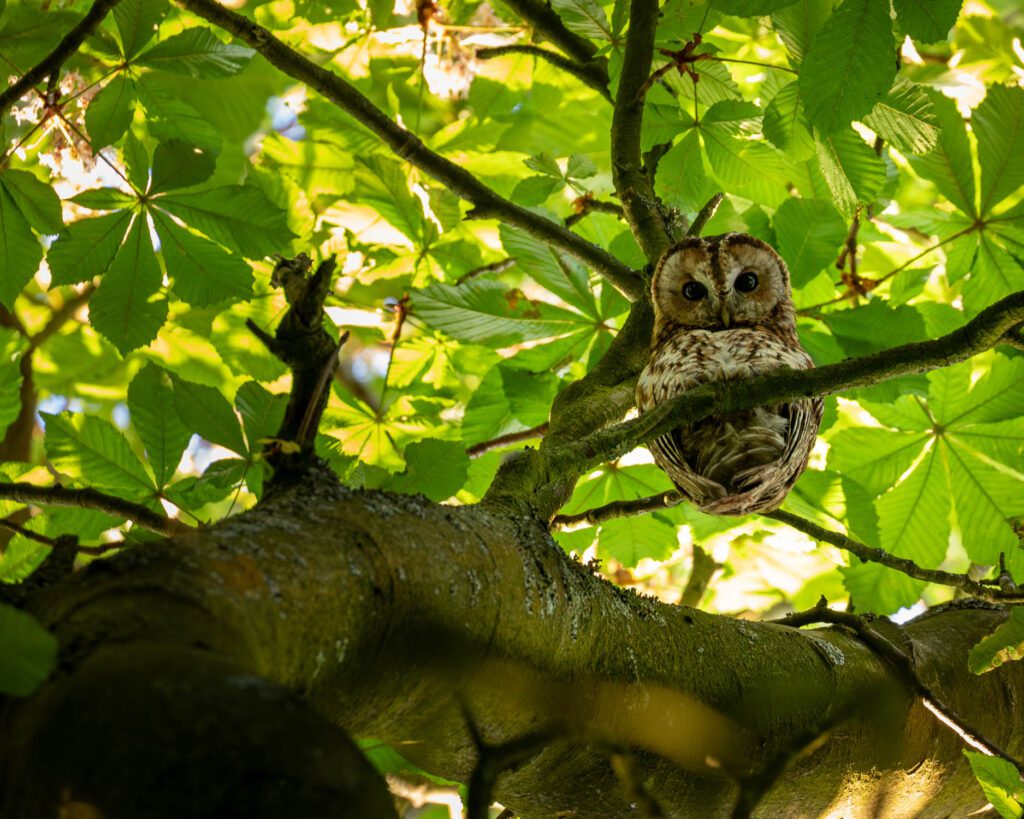
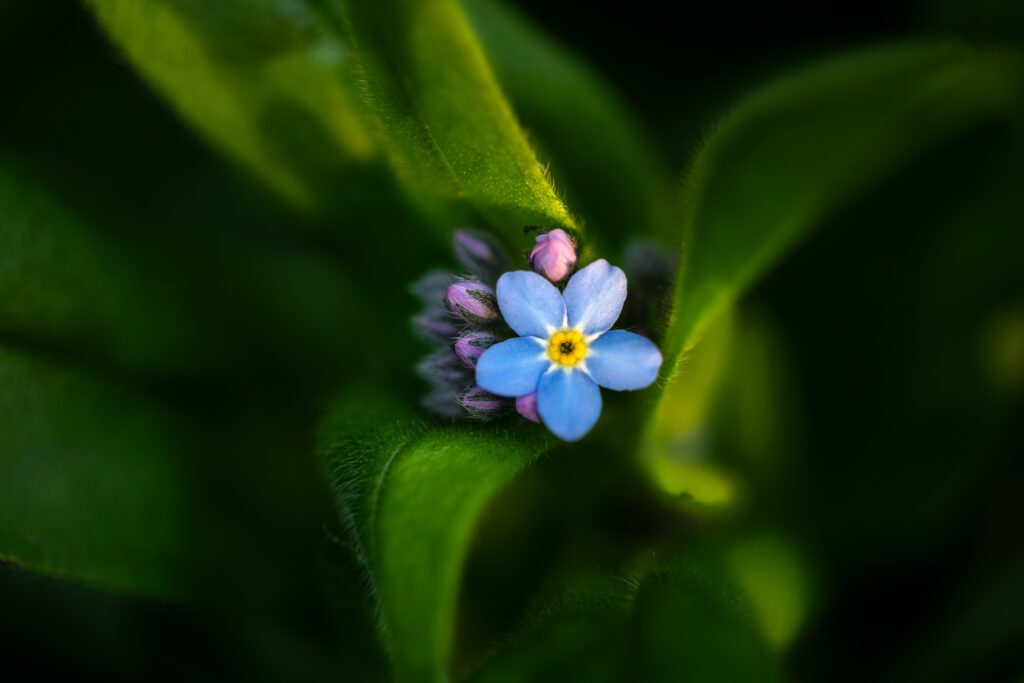
Spring is finally upon us, the return of the dawn chorus, new life, vibrant colours, and an air of renewed energy. After a somewhat relentless winter dominated by endless spells of wind and rain, there’s some light at the end of the tunnel. For nature and landscape photographers, it marks a subtle shift in how we approach our work. Our compositions become guided by growth and change as nature awakens from its dormant slumber.
Spring is the season I look forward to most, yet somehow consistently struggle to capture its full beauty. It has a lot to do with expectations: the anticipation of catching perfect low-raking golden light, an abundance of wildflowers at peak flowering, and a blanket of mist delicately subduing the landscape. Holding out for dream conditions only leads to disappointment, as the season quickly passes by. This year, I’ll be capturing spring as it is, not how I imagine it could be.
This Field Note covers my goals for spring and offers a glimpse at the subtle changes I look for as the landscape begins its transformation. Hopefully, it provides a little inspiration for your own springtime photography.
What I Look for as Spring Unfolds
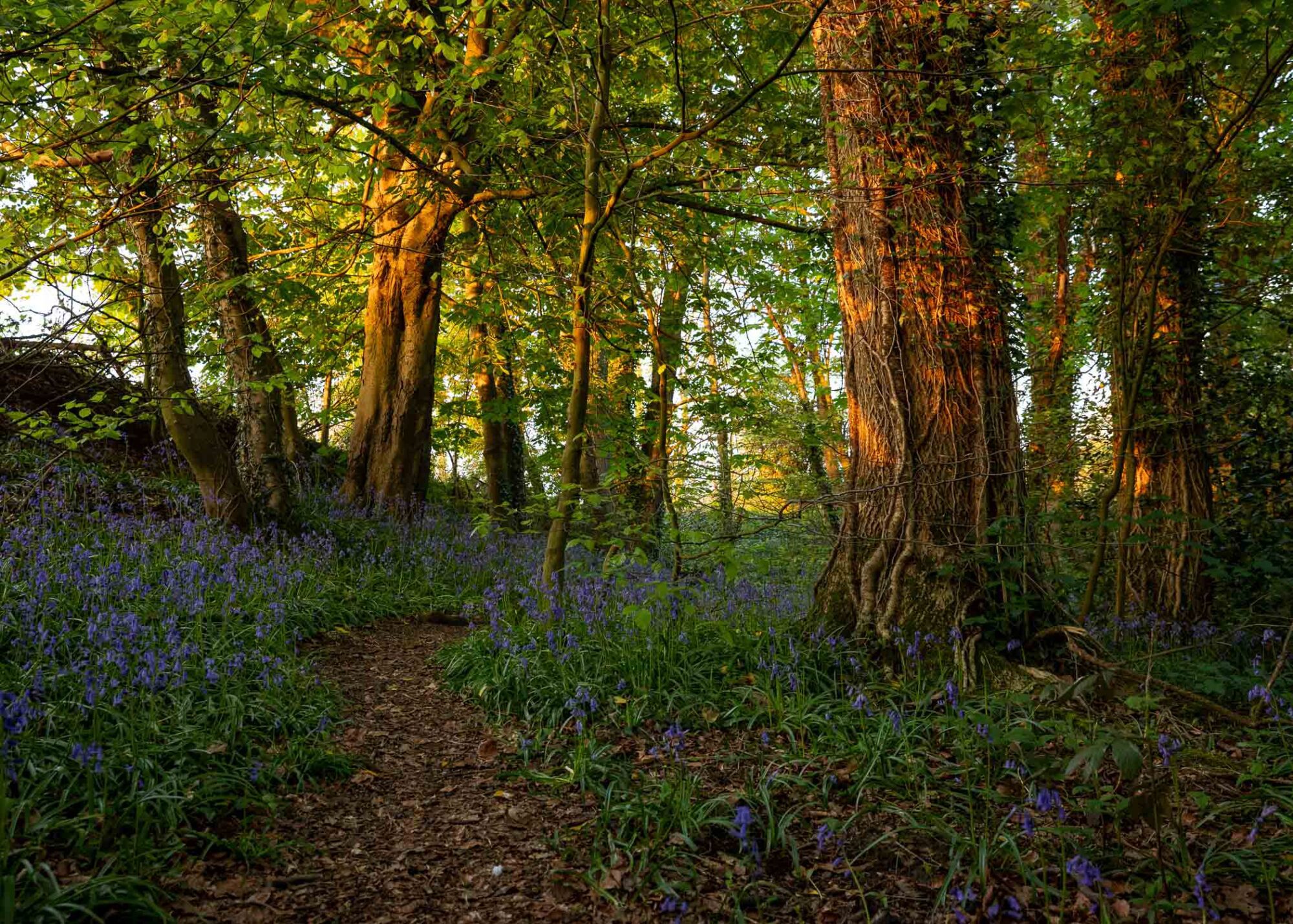
Throughout spring, I find myself drawn to the raw beauty of our local ancient woodlands. There’s something magical about watching a rough, wintry landscape transform into a place of overwhelming beauty. It begins with the early bloomers, the delicate snowdrops and vibrant daffodils skirting the woodland edges. Before long, the unmistakable shoots of native bluebells and wild garlic emerge, once again dressing the forest floor in fresh spring greens.
As the landscape begins its transformation, so too does the wildlife that thrives amongst it. Brown hares emerge from their winter hideaways, bounding across open fields once more. The dawn chorus returns, filling each morning with warmth and energy. Behaviour shifts from a fight for survival to moments of intimacy and beauty.
With the arrival of spring, my focus shifts to capturing subtleties that define the season: the abundance of wildflowers and changes in wildlife behaviour. I often return to the same spots over and over again, capturing the progression as spring takes hold. Spring offers so much potential for photography: stunning wide-angle landscapes, intimate macro details around the forest floor, and compressed telephoto moments as wildlife interacts with the renewed landscape.
Native bluebells: the defining image of spring
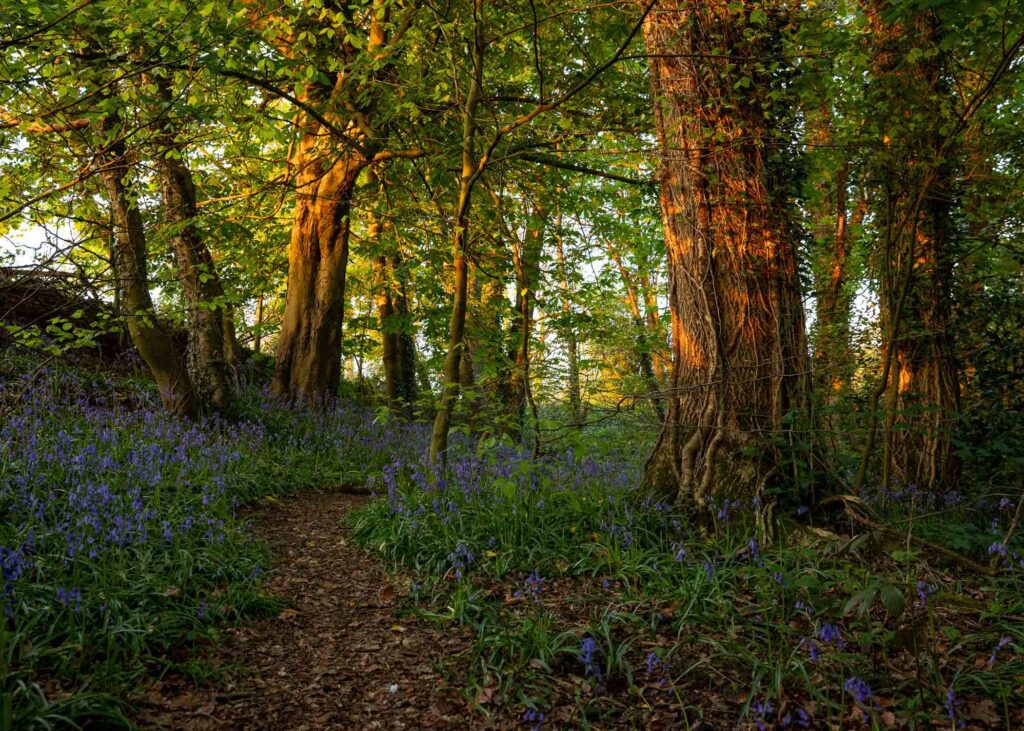
Native bluebells are, for many of us, the defining image of spring. Ask a photographer what first comes to mind at this time of year, odds are they’ll say bluebells. They’re quintessential spring wildflowers and a true pleasure to photograph. It’s hard to put into words the feeling of walking through an ancient woodland carpeted by bluebells as far as the eye can see.
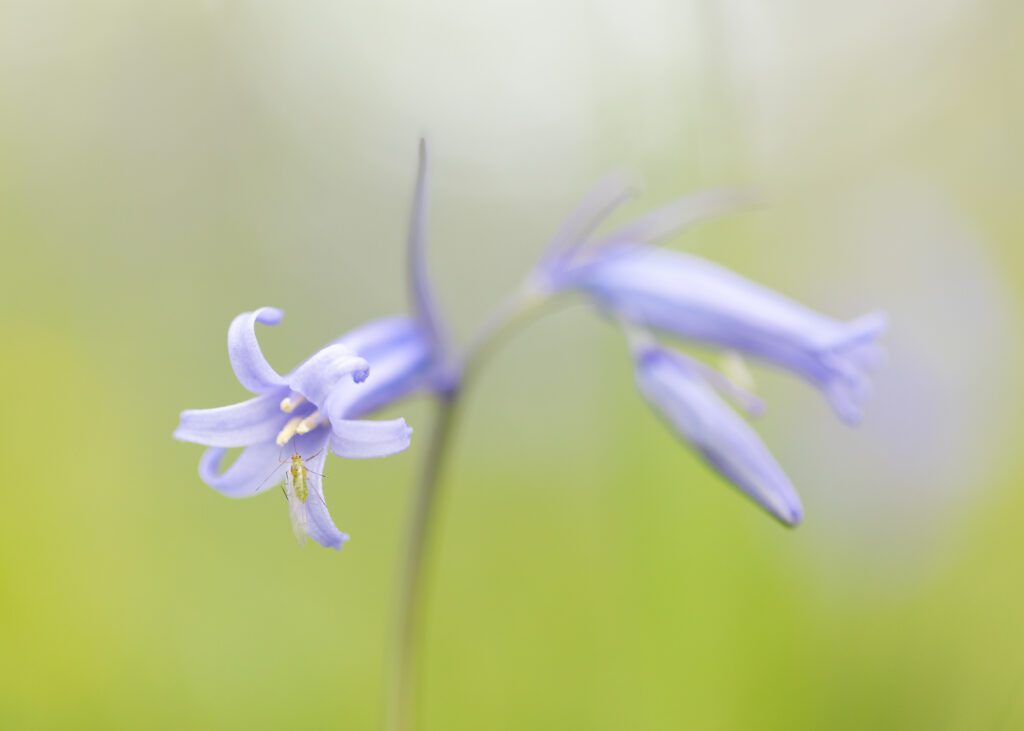
As flowering peaks, I become obsessed with looking for unique ways to capture their beauty. I often use my macro lens to isolate individual or small clusters, looking for small details that elevate the story. Last year, I photographed a single bluebell stem, already beautiful in its own right, but a tiny greenfly feeding on the pollen made the image. A small detail, but an example of how even the smallest of moments can help to define the magic of spring.
This year, my focus will be on capturing wide-angle beauty. Less of a low-hanging fruit approach and more of trying my best to find beauty amongst the chaos that often comes with photographing ancient woodlands.
Brown hares gracing the fields once more
Living in the countryside, I’m no stranger to seeing brown hares bounding across open fields, kicking up clouds of dust in their wake. Spring is the perfect time of year to photograph their energetic behaviour, but patience is essential. Getting close to a hare isn’t something you can do without care and attention. Their hearing and eyesight are ultra-sensitive; if you make a sudden movement or the faintest rustle, they’re long gone.
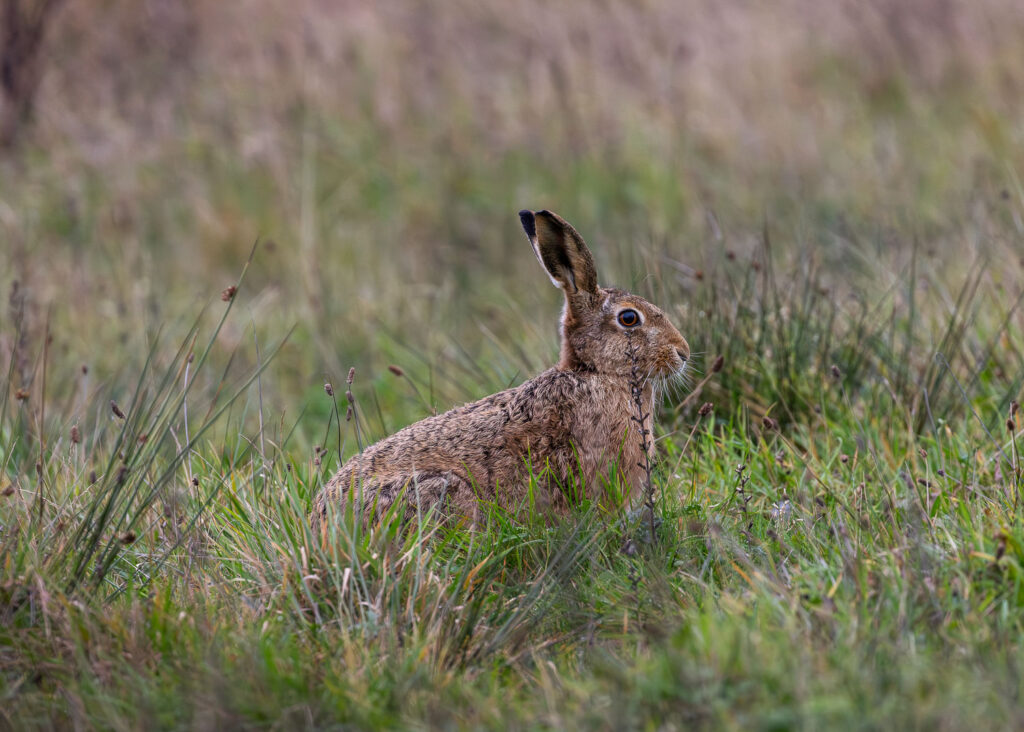
This year, I’m hoping to capture a well-documented behaviour that I’ve yet to witness out in the field: boxing hares. Despite popular belief, these encounters are usually females fending off the persistent advances of overly eager males. I don’t have many goals for spring this year; my general plan is to let the season dictate my photography, but this is one moment I’d love to experience. With a bit of luck, spring will bring longer spells of settled weather; we deserve it after the washout winter! Either way, I’m looking forward to spending dawn and dusk in the fields, sitting, watching, and hoping.
Wild garlic: unquestionably spring, in a single scent
If native bluebells weren’t enough of a reason to visit ancient woodlands, adding wild garlic to the mix definitely is. If spring had a defining scent, it would be wild garlic. It’s one of those wildflowers you can smell long before you see it. Shaded damp areas along streams, brooks, and rivers are your best bet of finding this abundant beauty, where it grows in thick, vibrant carpets. The clusters of brilliant-white flowers are sensational, but they can be tricky to work with in harsh, direct light. Diffused light from cloudy skies or low-raking golden-hour sun usually offers the best opportunities.
I tend to favour a more intimate approach to photographing wild garlic. Macro allows me to isolate the delicate white flowers and their finer details without distraction. Shooting with a wide aperture keeps the depth of field shallow, creating a soft, pleasing background blur. I’m always looking for curves in the leaves that act as natural leading lines, soft-focus blooms that complement my subject, and pockets of light that help a single flower stand out from the crowd. It’s a great chance to slow down and pay closer attention to the defining details of this beautiful spring wildflower.

My Spring Focus: Bluebells, Wild Garlic, and Hares
As spring takes hold and the landscape awakens from its wintry slumber, my focus will be firmly upon photographing bluebells, wild garlic, and brown hares. It goes without saying, they’re popular springtime favourites, for good reason, of course. I can’t wait to spend countless hours exploring ancient woodlands, searching for unique compositions and creative ways to illustrate their beauty.
This won’t be all I capture throughout spring. Alongside this beautiful trio, I plan to let the landscape and wildlife guide me. I often find that when I’m out in nature, patiently observing, moments come to me. Sometimes it pays to head out without a plan and keep an open mind. You never know what you might find.
I can’t wait to see what spring brings.