
Looking back, 2025 was the year of wildlife photography. I’ve always had a passion for wildlife, but until recently, I only ever photographed landscapes. For some reason, I resisted the urge to invest my efforts into wildlife photography. By doing so, I overlooked just how addictive, enjoyable, and truly rewarding wildlife photography could be. My debut year of wildlife photography has been a true eye-opener. I have had some unbelievable moments throughout 2025, and I’m excited to share my most memorable with you.

A Year of Development and Continuous Improvement
What have I learned throughout 2025?
Wildlife photography isn’t just about having the best equipment
Wildlife photography has a substantial learning curve. It’s not all about what gear you have. Rather, how much you understand your subjects and their unique behaviours. Add to that the technical barriers of camera settings, subject tracking, light management, and composition. Doesn’t sound too bad, right? Well, it’s down to time pressure. Most of your technical thinking needs to be done reflexively. In dynamic situations with no control over wild subjects, sometimes you don’t have the luxury of thinking time. It is this fast-paced action that I have come to love.
Embrace failure and grow from it
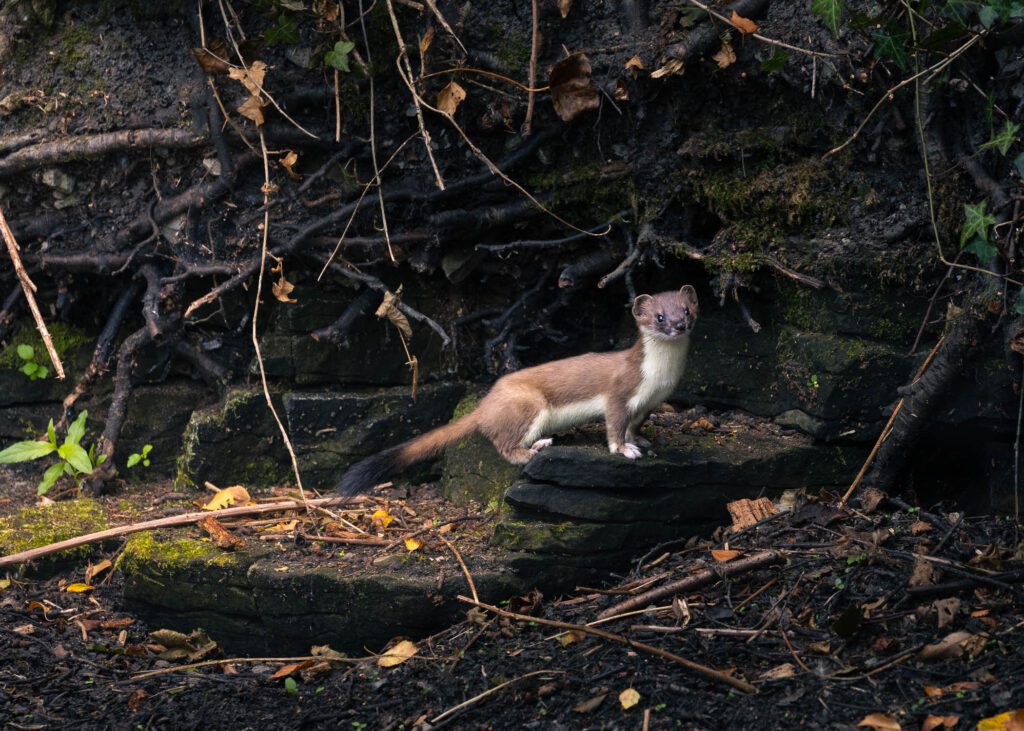
Through sheer dedication throughout 2025, I invested countless hours out in the field. Honing and expanding my skillset. I endured failure time and time again, but kept pushing forward. It is this mentality that paved the way for some of my most memorable moments as a photographer. Much of my success was born through the development of my fieldcraft skills. Searching for small details which collectively paint a bigger picture. I learned to listen to nature and to let nature guide my decision-making.
Wildlife photography has taught me the true value of attention to detail. It has taken me out of my comfort zone and allowed me to test my technical ability. One year on, the spark is well and truly lit, and I have a much greater appreciation for our beautiful natural world.
A Wildlife Photography Icon, the Common Kingfisher

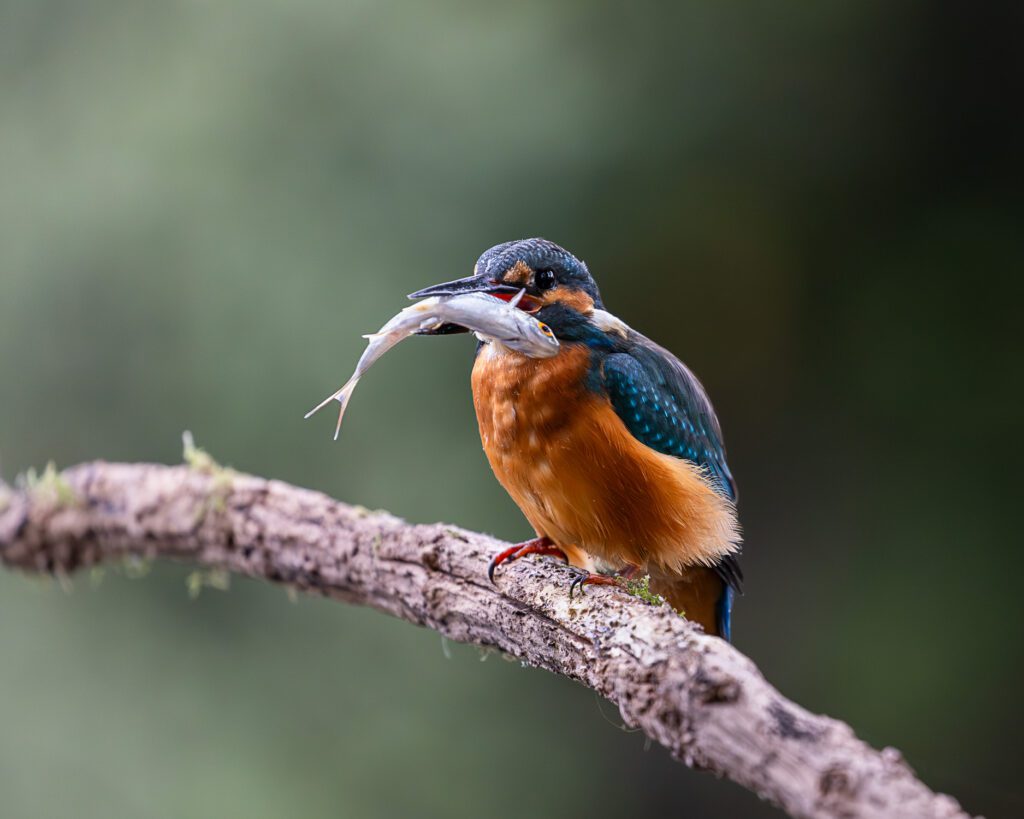
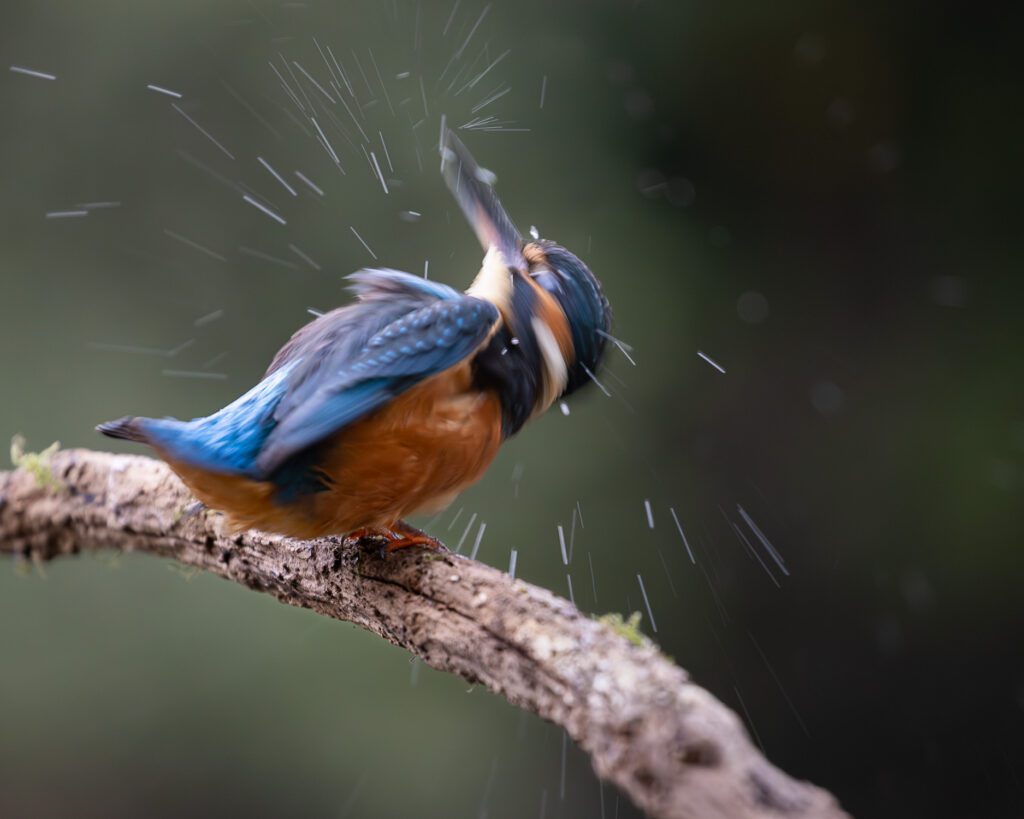
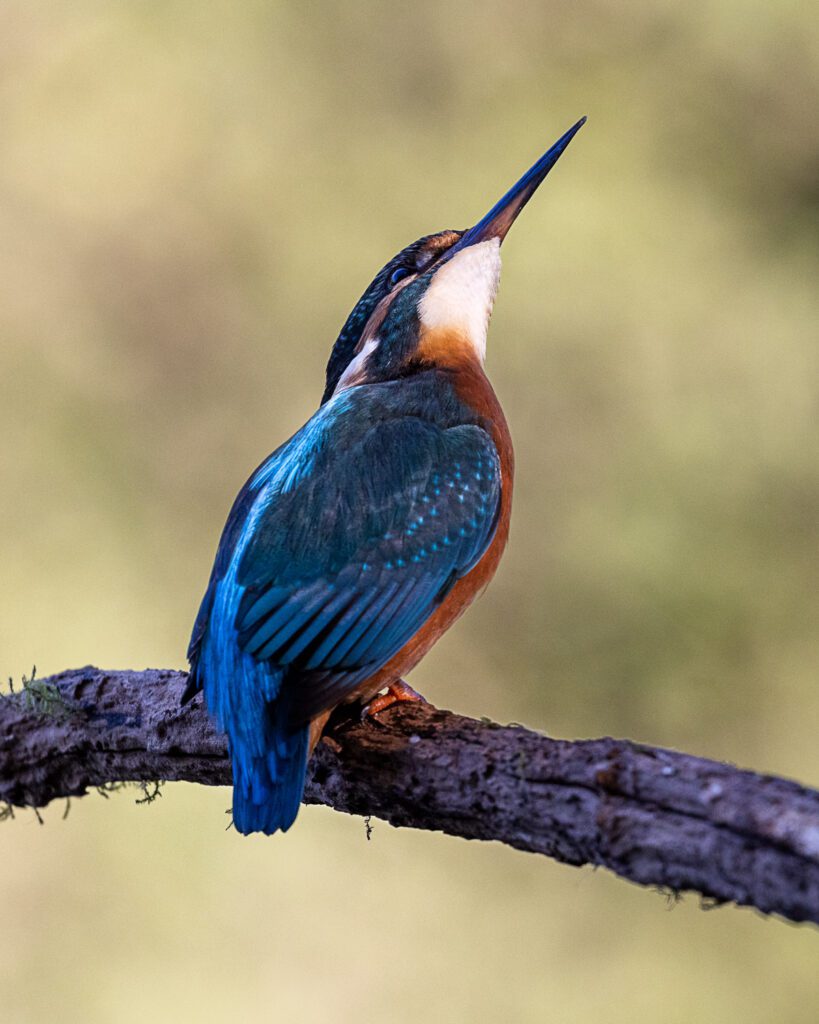
Does this iconic bird even need an introduction? Spring 2025 saw my first real challenge as a rookie wildlife photographer. Capturing the beauty of the elusive Common Kingfisher (Alcedo Atthis). What started as a fleeting moment, leaving me questioning what I even saw, led to a project spanning many months.
Walking around a local lake, I caught a flash of blue streaking across the surface of the water. At the time, I knew very little about Kingfishers, let alone attempting to photograph them. After hours of research and a firm understanding of the dos and don’ts for bird safety, I was ready to start my own observations. This moment marked the beginning of my fieldcraft journey, throughout which I grew to understand the importance of concealment and patience.
I spent weeks just watching, painting a picture of the Kingfisher’s behaviour before finally making the move towards photographing it. Honestly, seeing my first ever capture illuminated on the back of my camera’s LCD was one of the most rewarding experiences. So much so that the Kingfisher is forever honoured as the main feature of the new STILL OUTDOORS brand icon.


Ghost Hunting
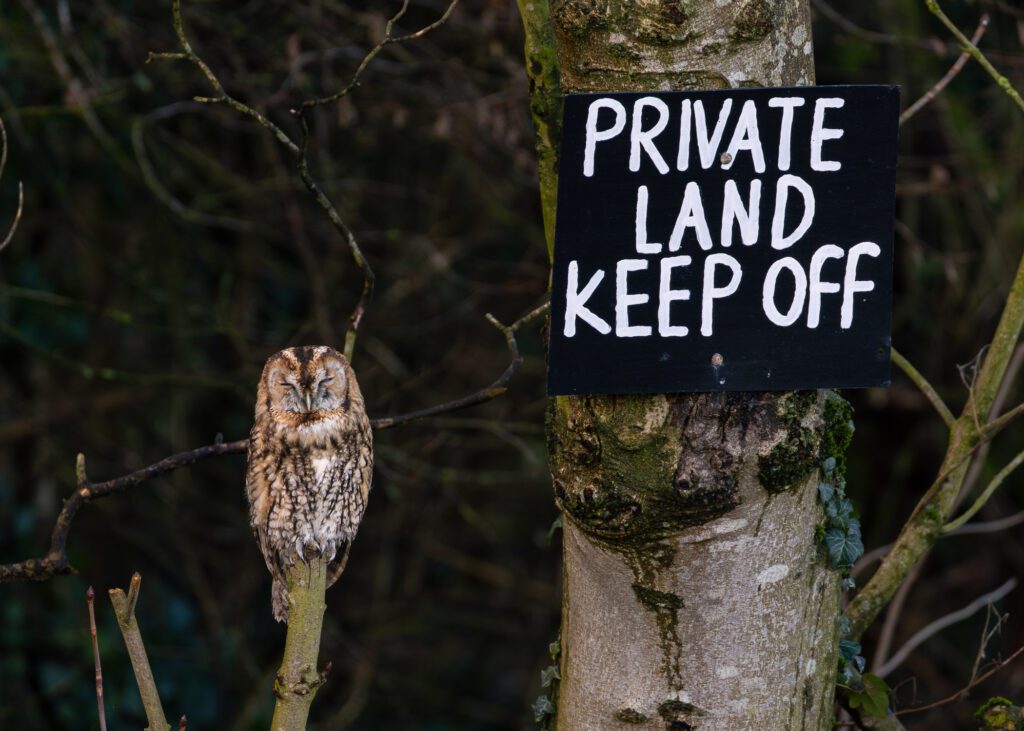
For as long as I can remember, I’ve always been fascinated by owls. I’ve lived in countryside settings my whole life, and it’s fair to say I’m no stranger to the various calls of our native owl species. Seeing them, however, is a lot more difficult. They’re true masters of their craft with keen eyesight, exceptional hearing, and unrivalled camouflage. This makes them unbelievably difficult to spot, especially tawny owls (Strix Aluco).
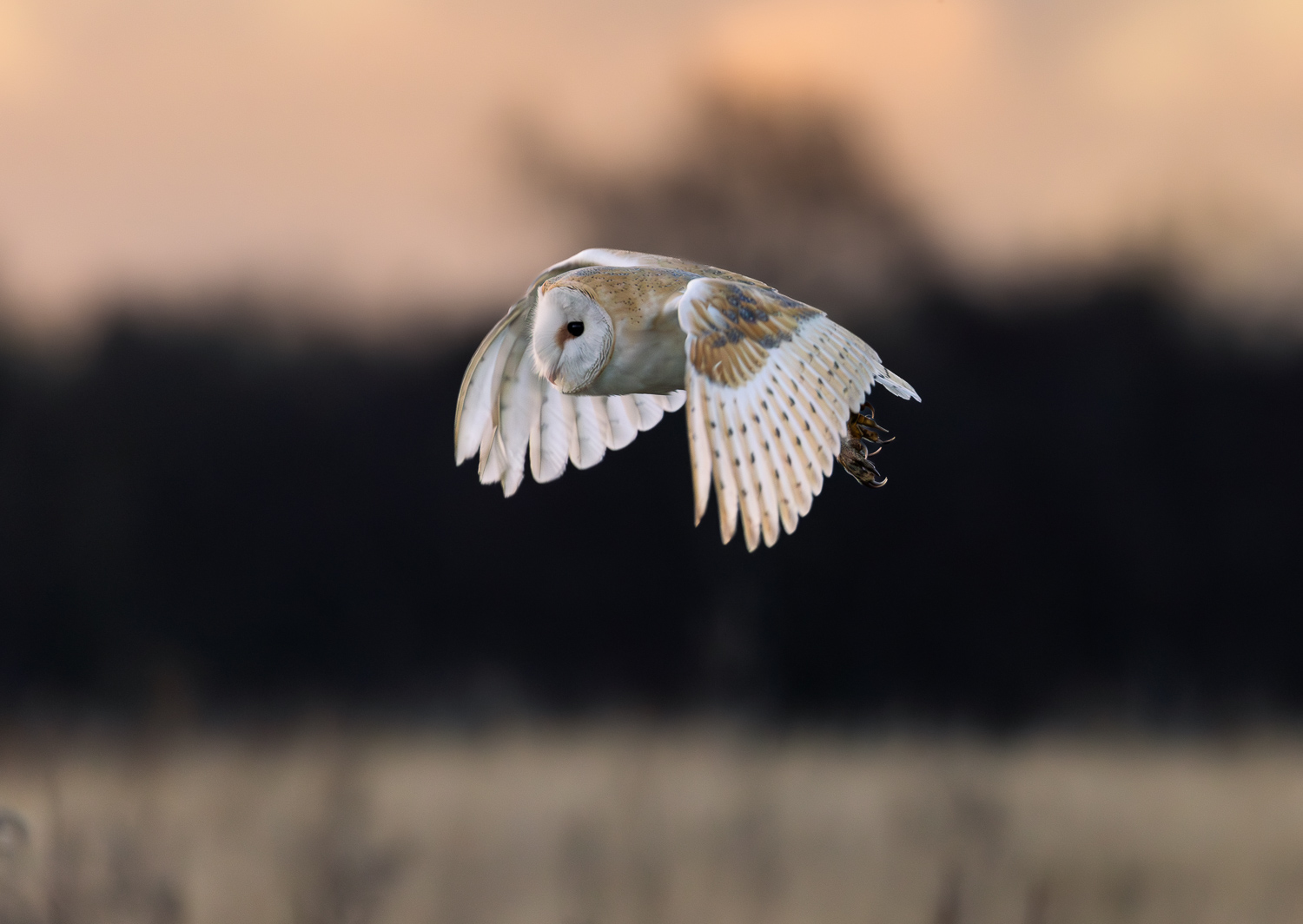
One owl in particular that is my all-time favourite is, of course, the barn owl (Tyto Alba). Barn owls are gorgeous creatures with an unmistakable angelic look. They are well-equipped hunters with unique noiseless feathers which provide true stealth flight. If you aren’t physically looking for them, and believe me, you need to look hard, you’ll likely never know they are there.
Throughout 2025, I spent a lot of time scouring local fields for potential barn owl hunting grounds. Hours upon hours sat amongst hedgerows and long grass, hoping to spot the elusive barn owl. After months of effort, I was rewarded with multiple sightings in a couple of locations. Hard work paid off, and I managed to capture some of my favourite photographs of 2025.

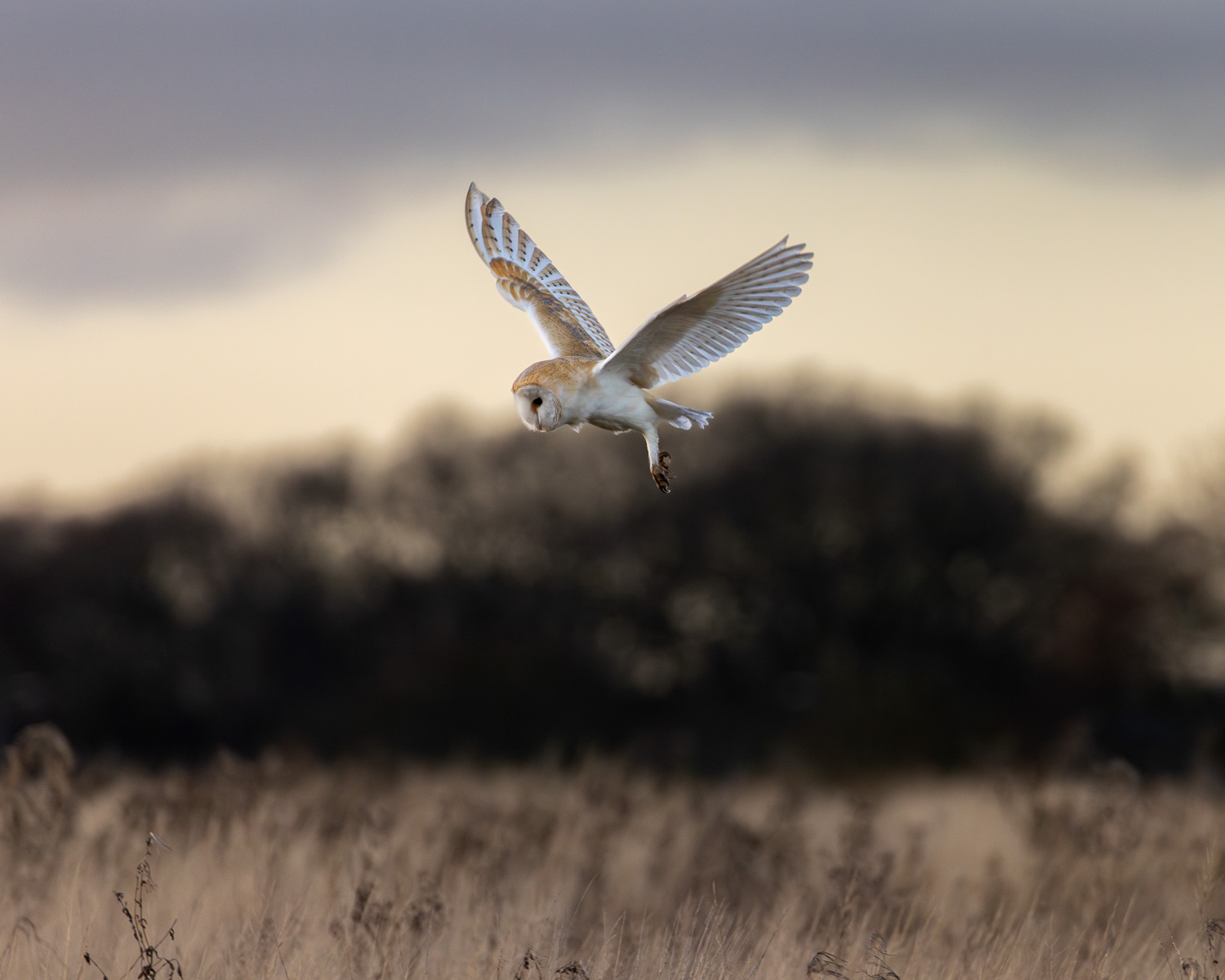
For anyone who shares my fascination with barn owls and wants to try photographing them, I’ve written a detailed guide that covers everything I’ve learned: ethical fieldcraft, staying concealed, choosing the right gear, and composing images without disturbing these beautiful birds.
Sometimes, in Wildlife Photography, all you need is a Little Luck
One of my biggest lessons learned after a year of photographing local wildlife is that sometimes you’re just in the right place at the right time. Lady Luck has blessed me with some spectacular encounters on multiple occasions. Without a doubt, the most memorable moment was a close encounter with a local tawny owl.
Expect the unexpected
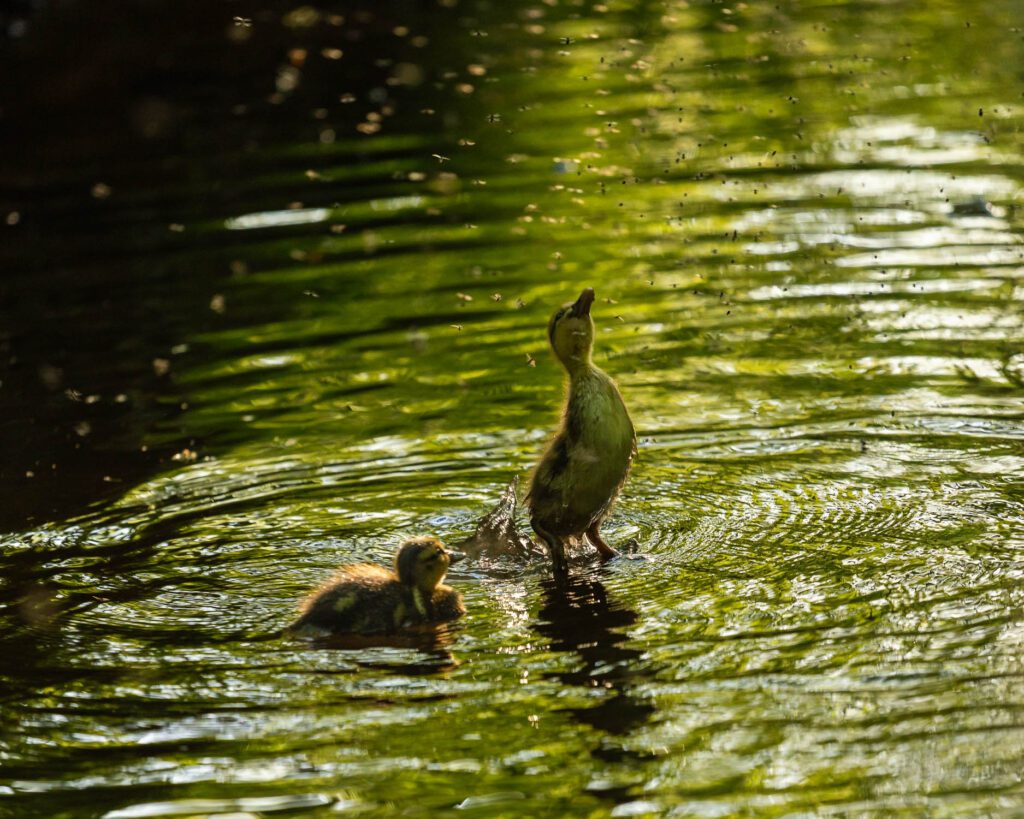
Tawny owls are masters of camouflage. After dark, if you’re near a woodland, you’ll no doubt hear their iconic calls of “ke-wick” and “hooooo”. Spotting them, however, especially under dense canopies, is almost an impossible task. On an early summer’s evening, I was in my local woodland, where I spent much of my time photographing wildlife. I was crouched down behind an ancient oak tree with my long lens, hoping to photograph a family of ducklings. Of an evening, they would paddle up and down the brook, following swarms of flies above the surface. They would propel themselves upwards and catch flies in mid-air, and I was hoping to capture the action.
Whoooo are you?
As I was sitting there, camouflaged and perfectly still, I heard a very familiar call. My heart skipped a beat; the source of the call was close, very close. I slowly looked upwards and began to scan the canopies above me. Again came the distinct “Ke-wick”. The second call gave me a better bearing of the location. There she was, in all of her glory – a female tawny owl. Never in a million years did I expect to be sitting so close to a tawny. I had no idea she was even there, but she knew I was there. She’d likely been watching me the entire time.
Slowly, I dialled in the required camera settings, carefully raised my camera, avoiding any harsh movements and fired off a handful of shots. Luckily, she was perched, and I could use a much slower shutter speed. It was dark under the canopy, and I needed as much light as possible to guarantee a sharp shot. After capturing a shot, I slowly backed away and left the area, leaving her in peace. What a moment, top five of the year without question.

Wildlife Photography outside of my Comfort Zone
Whenever I am out with my camera, I love nothing more than isolation. That no doubt makes me sound weird, I know, but hear me out. When I’m outdoors, I cherish that connection with nature. The sound of the calling birds, the rustling of leaves or bushes, and the trickling water from streams. There is so much to take in, and it’s nectar for the soul. For that reason, I generally avoid photographing populated locations. The same goes for my landscape photography.
Lunt Meadows Nature Reserve (Sefton Marshes)
Throughout 2025, 99% of my wildlife photography was done locally, within a 3-mile radius of my home. The remaining 1% was the result of my stepping out of my comfort zone and visiting the incredible Lunt Meadows Nature Reserve. I won’t go into too much detail about Lunt Meadows; you can read about it in my previous blog post by clicking here.
Lunt Meadows was my first real venture into wildlife photography in a populated area. Being a fairly popular reserve, you were surrounded by talented photographers and knowledgeable bird watchers. A phenomenal place to visit, to be surrounded by like-minded, enthusiastic people who are more than happy to help.
Walking around the reserve is always special, and you never truly know what you might see. It’s also a treat to sit and watch some of the more common resident species and capture their unique behaviour. It was hard to narrow down a few favourites from Lunt Meadows. However, I eventually settled on a gorgeous monochrome photograph of a Little Egret and a couple of photobombing mallards. No descriptions necessary, I’ll let the images speak for themselves.
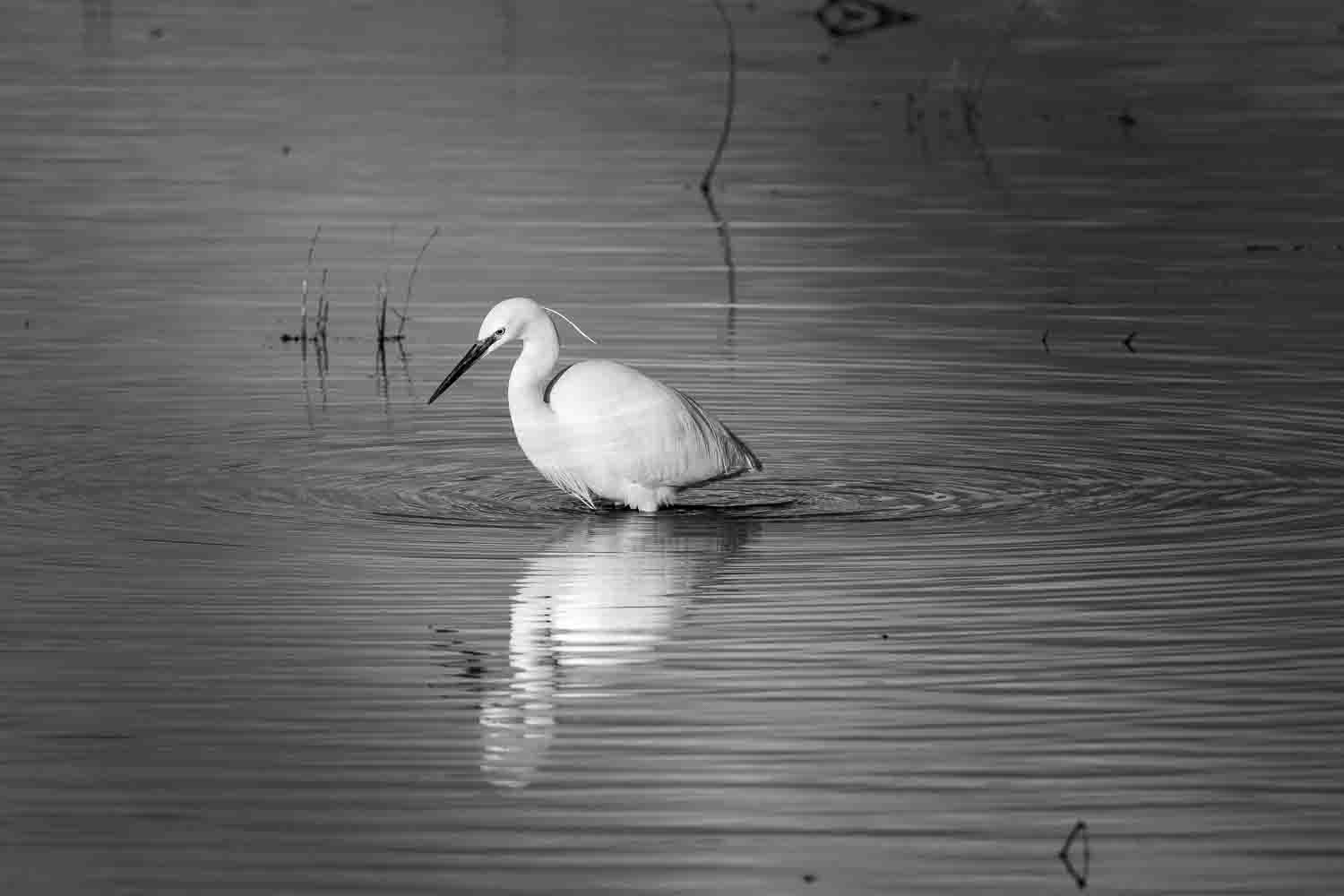
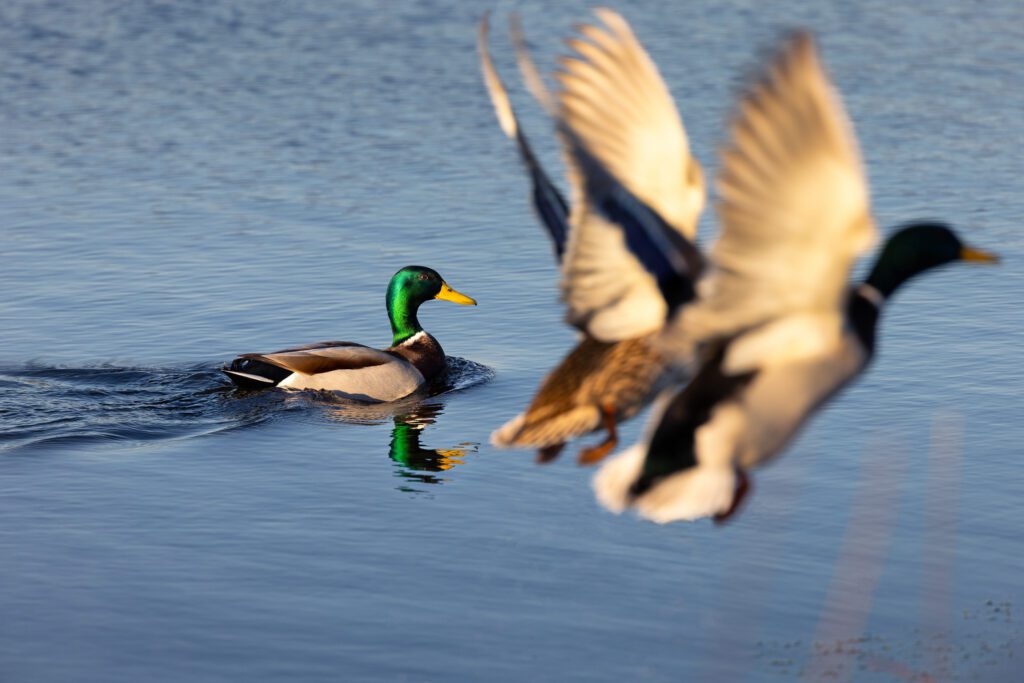
I will always prefer the solitude of local wildlife photography. However, after my experiences at Lunt Meadows, I’m more at ease photographing in populated areas. I will no doubt be looking to visit more wildlife reserves throughout 2026.
My Wildlife Photograph of the Year
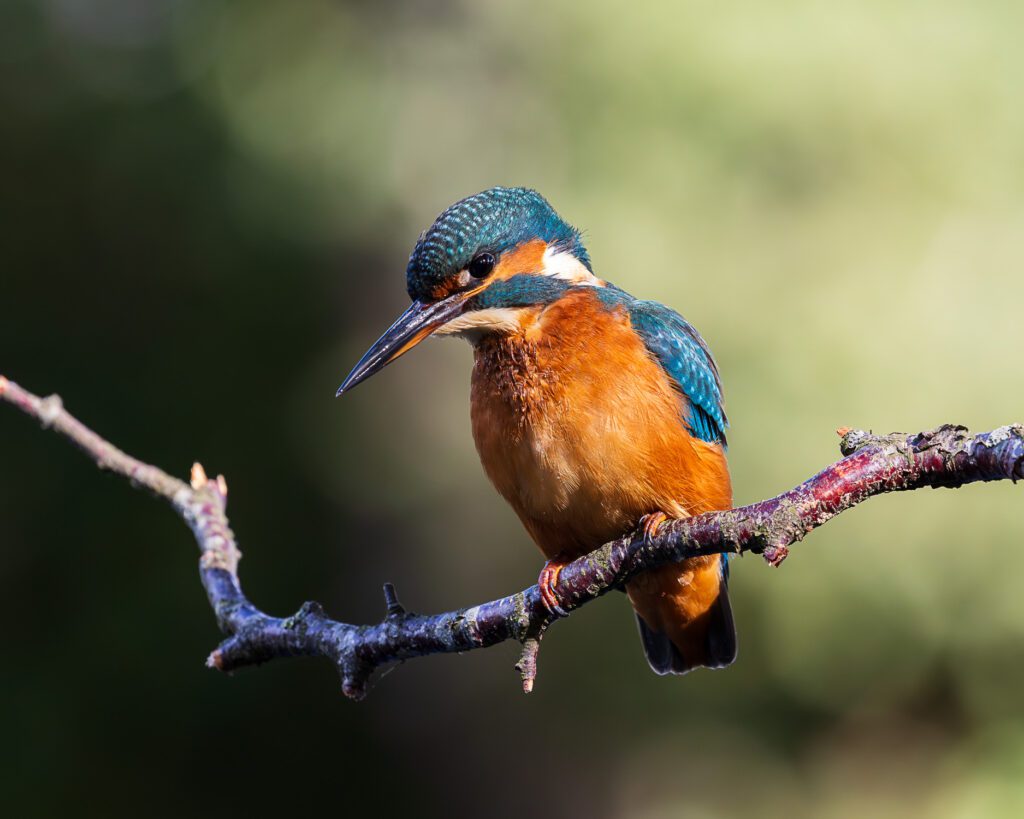
It’s no easy feat, picking out a single photograph to label my favourite of 2025. I’m torn between the kingfisher and the barn owl photographs. Given the sentimental importance, the close ties to my dad, and the overall feeling of accomplishment in capturing it, the kingfisher steals the glory.
Titled “Overwatch“, I will always remember this exact moment. It would be the last time I saw the female kingfisher gracing this perch. After three successful clutches, she left the area to find a more suitable over-wintering territory. But, not before allowing me to capture some truly spectacular portraits of her in some glorious early morning light. My dad lived and breathed fishing, and the kingfisher was his spirit animal. It was only fitting that this photograph gave birth to my refreshed brand logo towards the end of 2025.

Photography Goals for 2026
Throughout 2026, I’d like to strike a balance between landscape and wildlife photography. The skills I have developed through wildlife photography have made me a noticeably better all-arounder. I genuinely can’t wait to put my newfound knowledge and experience to the test. A year of wildlife photography has left me more patient, more observant, more technically aware, and unafraid of failure. Each of these developments will have a very real impact on my future photography. With that said, here are my goals for 2026.
- To complete my book “Wildlife of Rainford” and generate a positive impact on local wildlife conservation.
- Continue to develop my skillset and thrive as a photographer
- To build a portfolio of both wildlife and landscape photographs worthy of entering into LPOTY (Landscape Photographer of the Year) and WPOTY (Wildlife Photographer of the Year).
- To be a positive influence in the outdoors and photography environment.
- Finally, to worry less about capturing specific photographs and to enjoy moments as they unfold.
Happy New Year!
A huge thank you for all of your support throughout 2025! I would like to wish you all the very best for 2026, and I hope that, like me, you continue to enjoy spending time in the great outdoors. Together, we can be the positive influence that Mother Nature needs to thrive once again in all of her glory.