
Somehow, the legendary Canon EF 100-400mm f/4.5-5.6L IS II USM is eleven years old, but is it still relevant for wildlife photography in today’s era of mirrorless cameras? This post reveals all: the lens’s performance, image quality, and suitability for wildlife photography.

Many beginner wildlife photographers fall into the trap of believing that to be successful, you need the fastest and longest lenses available. Yes, these lenses are the cream of the crop, but they’re not the be-all and end-all. Clever fieldcraft is often far more valuable than any equipment upgrade. By the end of this post, you’ll see firsthand how, despite being eleven years old, Canon’s EF 100-400mm II still packs a punch, especially when paired with a mirrorless camera body.
Canon EF 100-400mm f/4.5-5.6L IS II USM Specifications
The Canon EF 100-400mm f/4.5-5.6L IS II USM was released back in December 2014. Its release disrupted the marketplace, offering a substantial upgrade from its predecessor, the mk1. The lens quickly gained recognition for its simply superb optical quality, at a reasonable price point. It didn’t take long for this lens to reach legendary status, becoming a firm favourite within the photographic community.

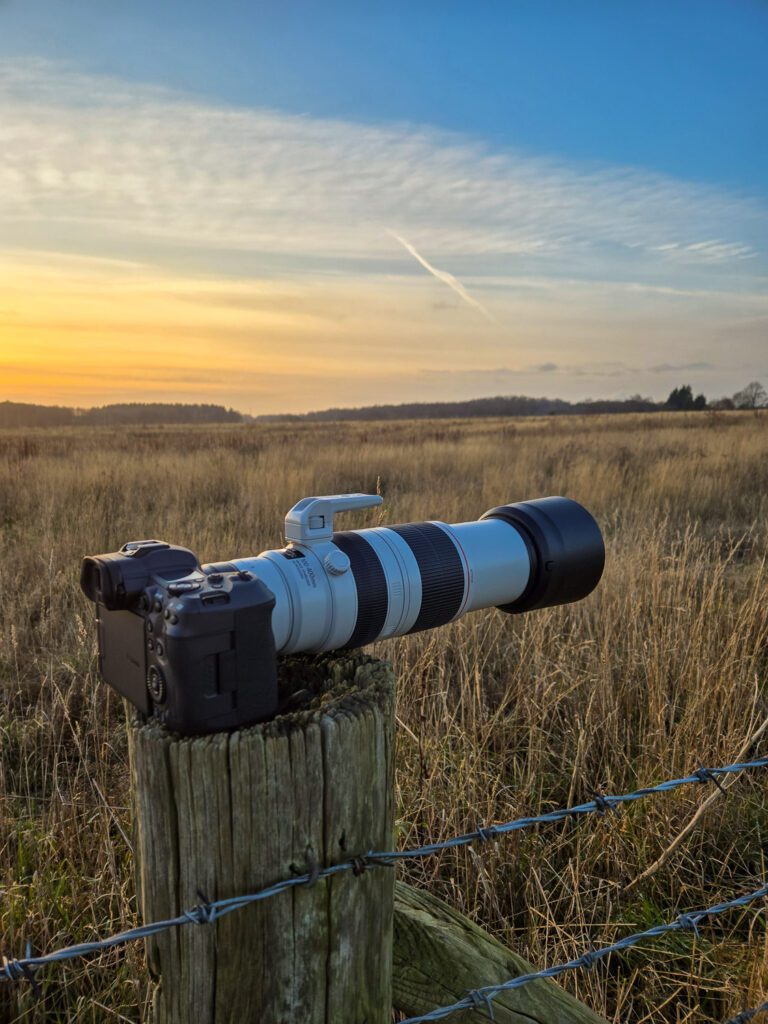
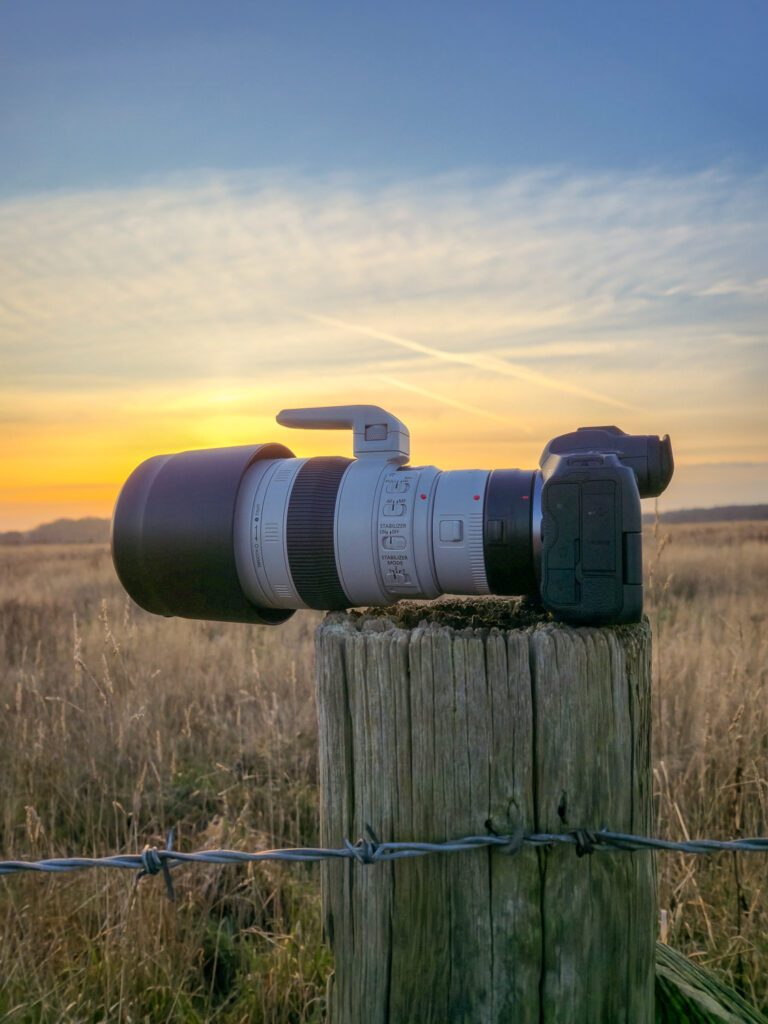
The lens features a 77mm thread size and weighs 1,640g with the tripod collar mount. It’s not a lightweight lens, but given its rugged L-series build quality, it’s to be expected. The moment you pick it up, you can tell the lens is built to last. Most users won’t struggle to use this lens handheld for short bursts.
The lens’s optical design offers a superior upgrade to the Mark 1, featuring 21 elements in 16 groups. Its 9-bladed diaphragm also helps to create smooth, pleasing background bokeh. Artefacts and distortion are minimised thanks to fluorite and super ultra-low dispersion elements. The lens elements are also coated with fluorine to help prevent dust and debris from sticking to the glass.
One of the lens’s standout features is its image stabilisation. The Canon EF 100-400mm f/4.5-5.6L IS II USM offers customisable lens stabilisation with three modes, providing up to 4 stops of stabilisation. The minimum focus distance is also noticeably closer at a respectable 0.98m. Being an L-series lens, the Canon EF 100-400mm f/4.5-5.6L IS II USM inherits Canon’s outstanding weather sealing, making it resistant to dust and moisture.
On paper, the Canon EF 100-400mm f/4.5-5.6L IS II USM is a lens packed with features that make it a prime choice for wildlife photography. But do these features stack up in today’s industry?
Price and availability
As of April 2026, Canon Japan has marked the production of its flagship EF 100-400mm f/4.5-5.6L IS II USM lens as discontinued. This is a heartbreaking decision and marks the end of an era. However, all this means is that in time, it will be harder to purchase brand-new copies of this lens. The move isn’t unexpected given Canon’s decision to prioritise its mirrorless product range. However, generally Canon continues to honour servicing and repairs for discontinued lenses for a further five to seven years, depending on the availability of parts.
Luckily, the secondhand market is primed with some pristine examples of this lens. Near-perfect conditions can be scooped up for a fraction of the price, making it an absolute steal for those with a fixed budget.
Take Wex Photo Video, for example, a trustworthy outlet for used photographic equipment. An “excellent” copy of the lens can be found for £1049, described as light use with very light dust throughout the optics, which will not affect image quality in any way. Similarly, “good” condition copies can be obtained for around £800; however, expect signs of use and heavier dust throughout the optics.
Suitability for Wildlife Photography
Pairing with a Canon mirrorless camera body
The Canon EF 100-400mm f/4.5-5.6L IS II USM can be paired with a mirrorless camera body via an EF-EOS R adapter. This combination breathes fresh life into an already exceptional lens. If you use the lens on a DSLR camera, you will not be disappointed. If you use the lens with a mirrorless camera, you will be blown away. Advanced features packed into mirrorless cameras, such as intelligent AI subject tracking and improved dynamic range, allow you to extract every ounce of performance from the lens. Tracking subjects has never been easier, allowing you to focus on capturing the perfect moment.
Focal range
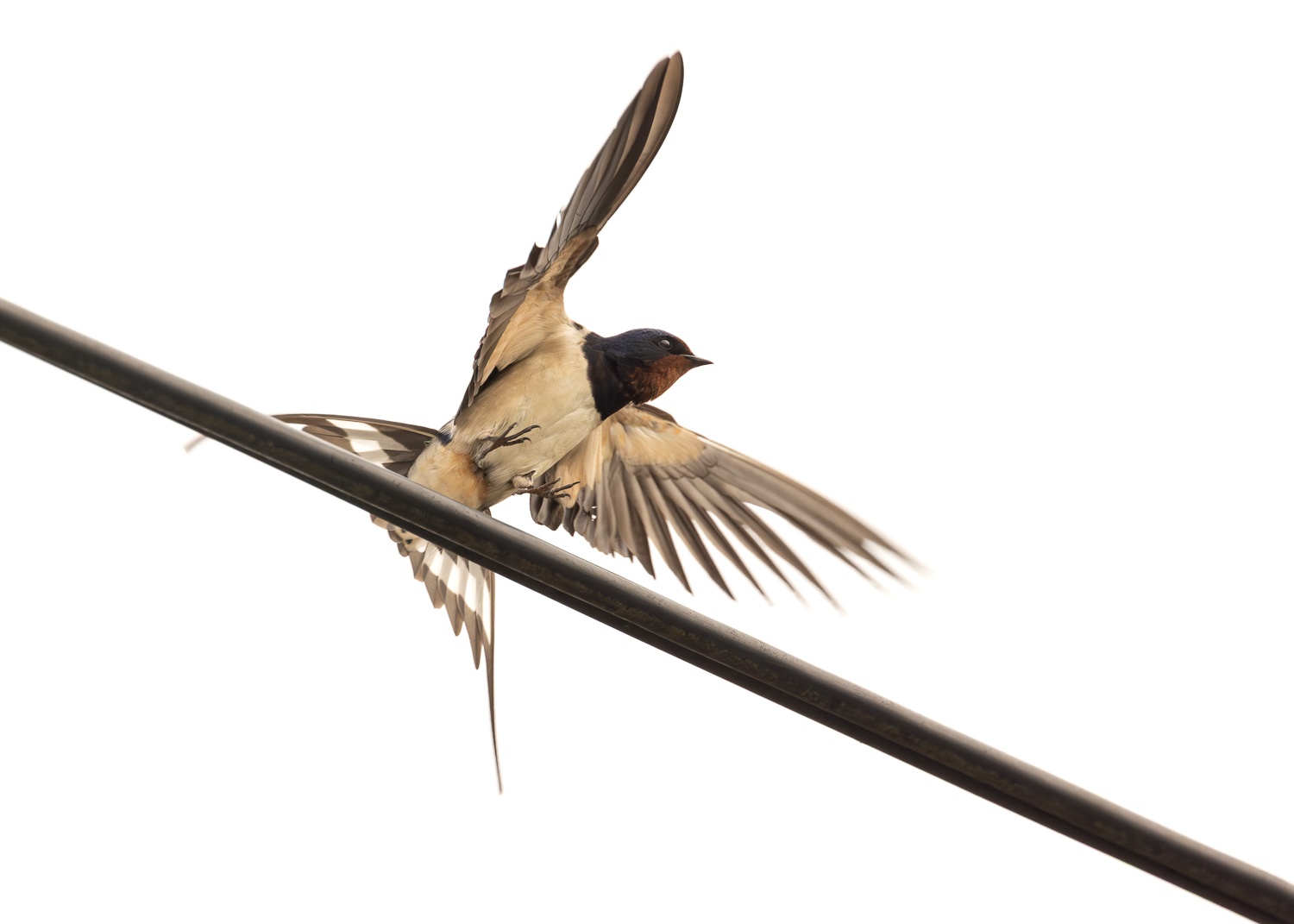
For most scenarios you will encounter as a wildlife photographer, the 100-400mm focal range is a flexible starting point. Sure, you aren’t going to get frame-filling compositions of dramatically smaller subjects, at least not without clever fieldcraft. But for popular subjects such as owls, foxes, deer, and waterfowl, you’ll be pleasantly surprised.
When paired with a crop-sensor camera body, the lens receives a modest boost to its reach. Crop sensors offer a magnified Field of View (FOV), with the crop factor varying by camera brand. Canon crop sensors, in particular, apply a crop factor of 1.6, meaning that the 100-400mm focal length provides a field of view equivalent to 160-640mm (100-400 x 1.6). It sounds more complicated than it is; the takeaway is extended reach when paired with a crop sensor camera.
The Canon EF 100-400mm II can also be paired with an extender for additional reach.
- Full frame: An EF 1.4x extender will extend the focal length to 140-560mm.
- Crop sensor: An EF 1.4x extender will extend the FOV to a staggering 224-896mm.
However, there is a slight downside to using a 1.4x extender: a one-stop loss of light. Wide open, the 100-400mm goes from f/5.6 at 400mm to f/8, making it somewhat less usable in low light conditions. We’ll talk more about this shortly.

Here’s a photograph captured at 400mm using the Canon EF 100-400mm f/4.5-5.6L IS II USM. Kingfishers are iconic small birds. By understanding their behaviour and utilising fieldcraft skills, you can get close enough to them to capture dream photographs. This is a fine example of the exceptional optical quality of the Canon EF 100-400mm f/4.5-5.6L IS II USM. The lens has delivered a pin-sharp photograph with a pleasing complementary background blur.
Maximum aperture and low light performance
Aperture is an important element of the exposure triangle. An aperture of f/5.6 is one stop of light slower than a lens with a maximum aperture of f/4 and two stops slower than an f/2.8 lens, but what does this mean? In a nutshell, the lower the maximum aperture, the more light the lens will gather. This makes faster lenses the perfect choice for low-light photography, but it’s also what gives them their premium price point.
At 400mm, the 100-400mm has an aperture of f/5.6 wide open. Based on extensive field experience, this is a very usable aperture, even in fairly low light conditions. I often use the EF 100-400mm II during the blue hour, one of my favourite times of day for photography. With a few technical tricks, the lens frequently delivers mindblowing results.
Don’t just take my word for it, have a look at a few sample images taken before sunrise and after sunset. In some situations, you may need to drastically increase your camera’s ISO to achieve a suitable shutter speed. However, with a little noise reduction in post-processing software, you will still obtain very usable photographs.

This stunning barn owl was captured locally around 10 minutes after sunset, a time synonymous with low light. By timing your captures to coincide with reduced subject movement, you can increase your chances of capturing sharp photographs, even when the light begins to fade.
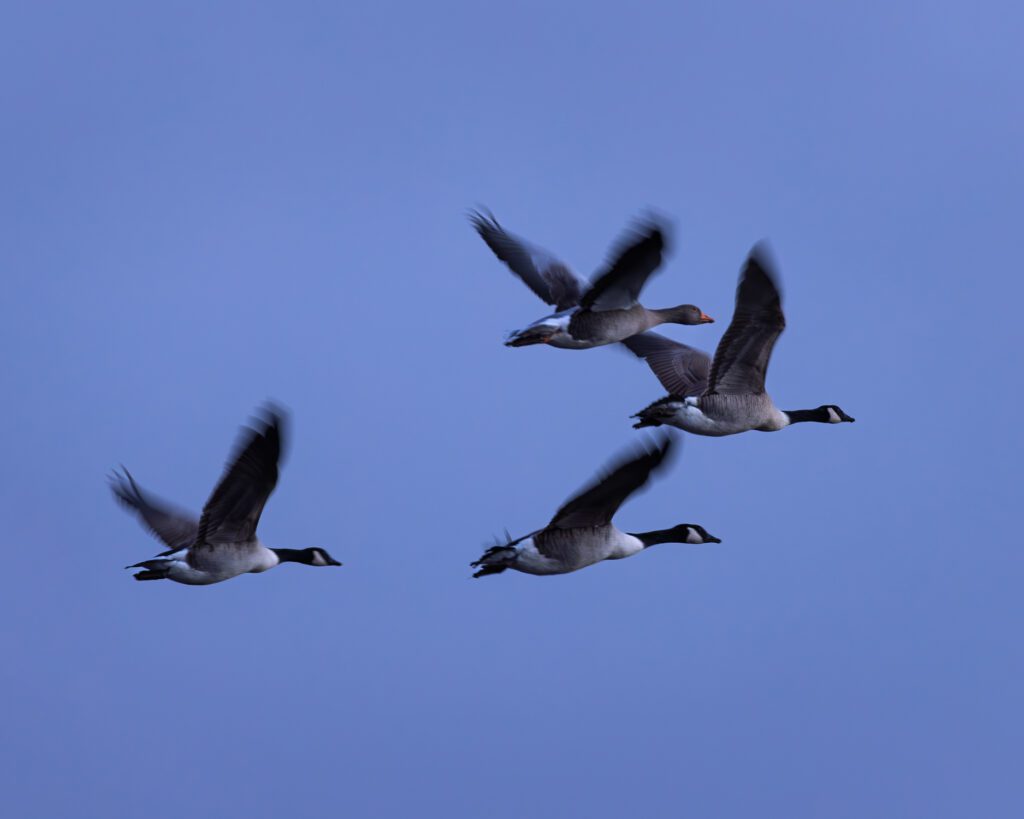
By using a slow shutter speed panning technique, I was able to photograph a lovely example of a small group of migratory greylags and a pink-footed goose. This photograph was captured 20 minutes before sunrise, during the Blue Hour.
Image Stabilisation
One huge benefit of the Canon EF 100-400mm f/4.5-5.6L IS II USM is its finely tuned image stabilisation. The image stabiliser has three customised options providing up to four stops of stabilisation. This means that you can capture sharp handheld photographs at dramatically slower shutter speeds. This is a real treat when it comes to photographing static subjects in tricky low-light environments.

Take, for example, this tawny owl capture. If you’ve ever wandered through a summer woodland, you’ll know how dark it is underneath the canopy. Without pushing your ISO setting to the absolute limit, obtaining a meaningful shutter speed can prove an almost impossible task. Thanks to image stabilisation (mode 1) and an amazingly cooperative model, I was able to capture the beauty of this female tawny handheld at 1/80th of a second at 400mm. Achieving this handheld without image stabilisation would have been a real test requiring a large amount of luck.

It’s worth bearing in mind that using image stabilisation for extended periods of time can drain your camera’s battery fairly quickly. This is especially true when using a mirrorless camera. To offset this, you can either be more frugal with image stabilisation, using it only when necessary. Or, by carrying additional camera batteries.
Pairing the Canon EF 100-400mm f/4.5-5.6L IS II USM with a Canon EF 1.4x III Extender
Pairing the Canon EF 100-400mm f/4.5-5.6L IS II USM with a Canon EF 1.4x III extender is surprisingly addictive. The extra reach allows you to maintain a further distance from your subject, reducing the chance of disturbance. As mentioned earlier, a 1.4x extender will extend the focal length to 140-560mm at the cost of light. The aperture wide open at 560mm becomes f/8. Under low conditions, this combination does become more difficult to use. However, with careful consideration of available light, the combination is capable of producing spectacular results.
Disadvantages to using an extender with the EF 100-400mm II
Unfortunately, it’s not all good news. Using the lens paired with the extender has a couple of slight downsides, nothing major, but worth being aware of. Firstly, subject tracking loses its edge slightly. It becomes a tad sluggish and is slower to initially lock on to your subjects. This is more apparent on rapidly moving subjects, especially if they’re moving towards you. Secondly, when used with a Canon mirrorless camera body, the EF lens adapter and an extender upset the weight distribution of the lens, making it a little more uncomfortable to use for extended periods.
That being said, the ability to capture your subjects from a greater distance gives them the space they need so that they don’t feel threatened. Wildlife behaviour is best observed when it doesn’t know you’re there. This approach will always produce the most authentic, natural-looking images that reflect your subject’s true beauty.
Sample photographs using the EF 100-400mm II paired with the EF 1.4x III extender
Barn owl
Below are some sample photographs featuring a barn owl I have become very close to.
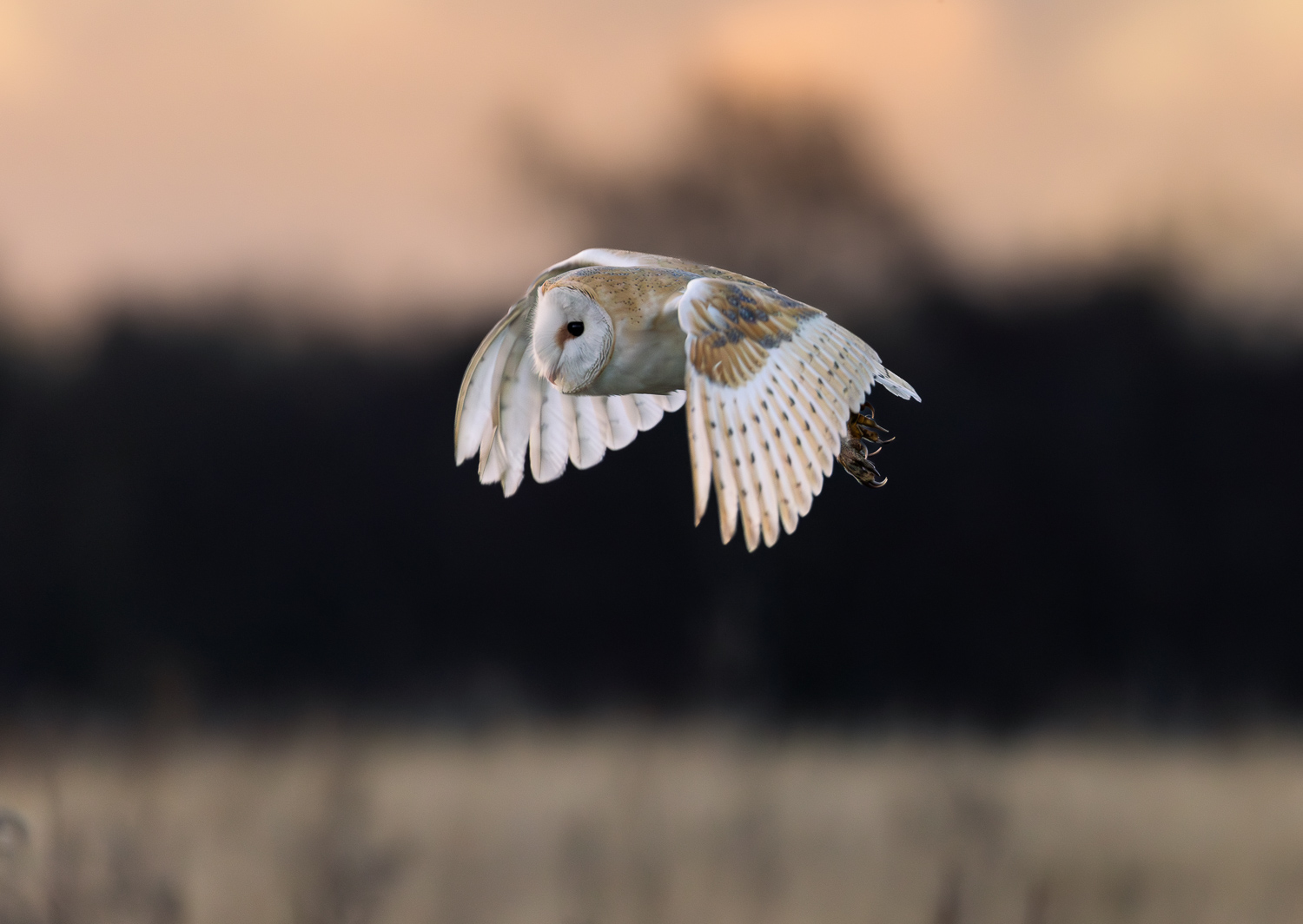
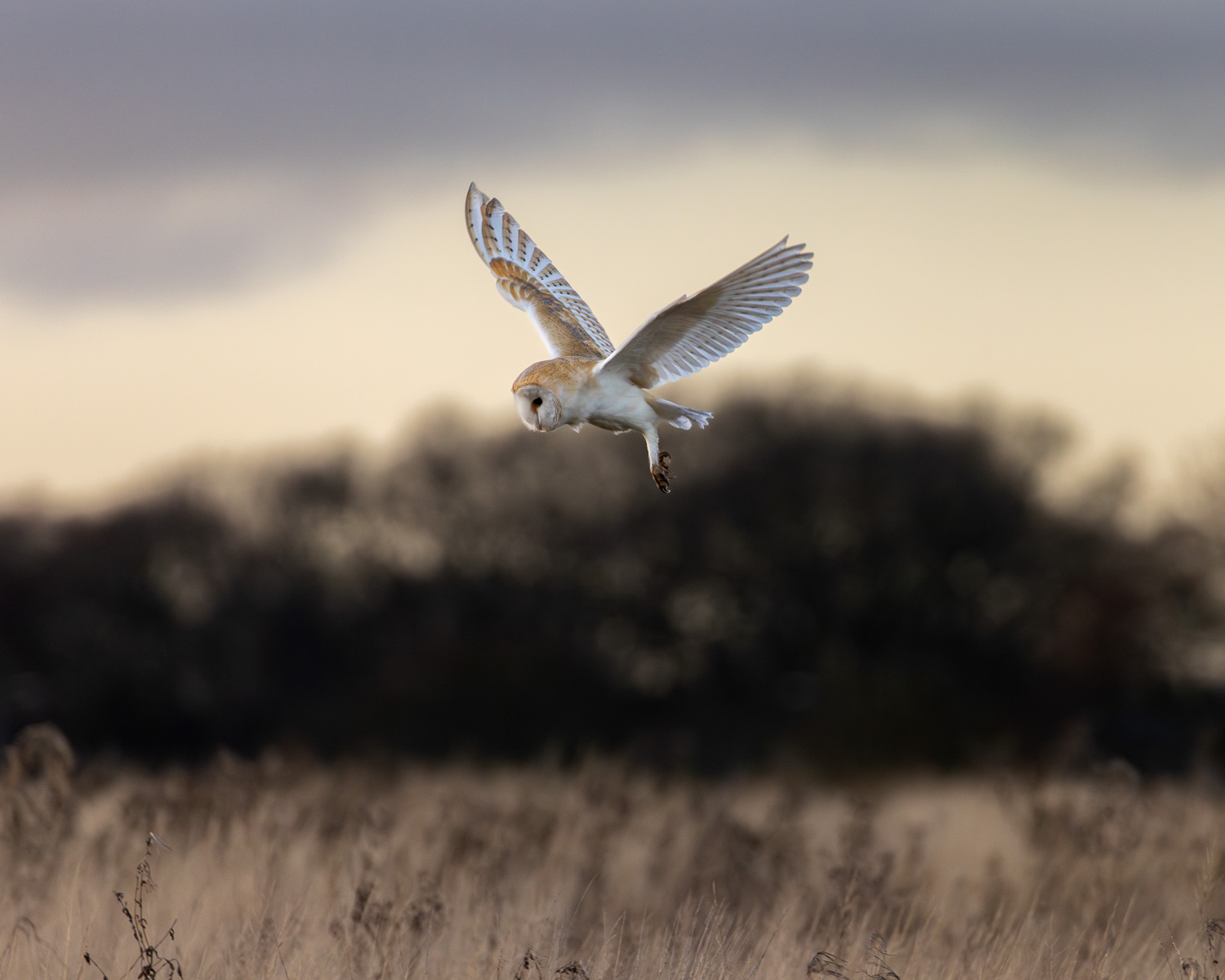
Barn owls, like all owls, possess exceptional hearing and sight. If you make a noise, make no mistake, they will hear you at a great distance. With this in mind, it’s important to be as quiet as possible and maintain a respectful distance. This is achievable thanks to the combination of the Canon EF 100-400mm f/4.5-5.6L IS II USM and the EF 1.4x III extender. I have enjoyed countless hours observing this beautiful barn owl quartering and hunting on its personal hunting ground.
The detail resolved by the lens and extender combination is mind-blowing. These photographs (above and below) remain some of my favourites captured to date, all thanks to the extra reach provided by the 1.4x extender.
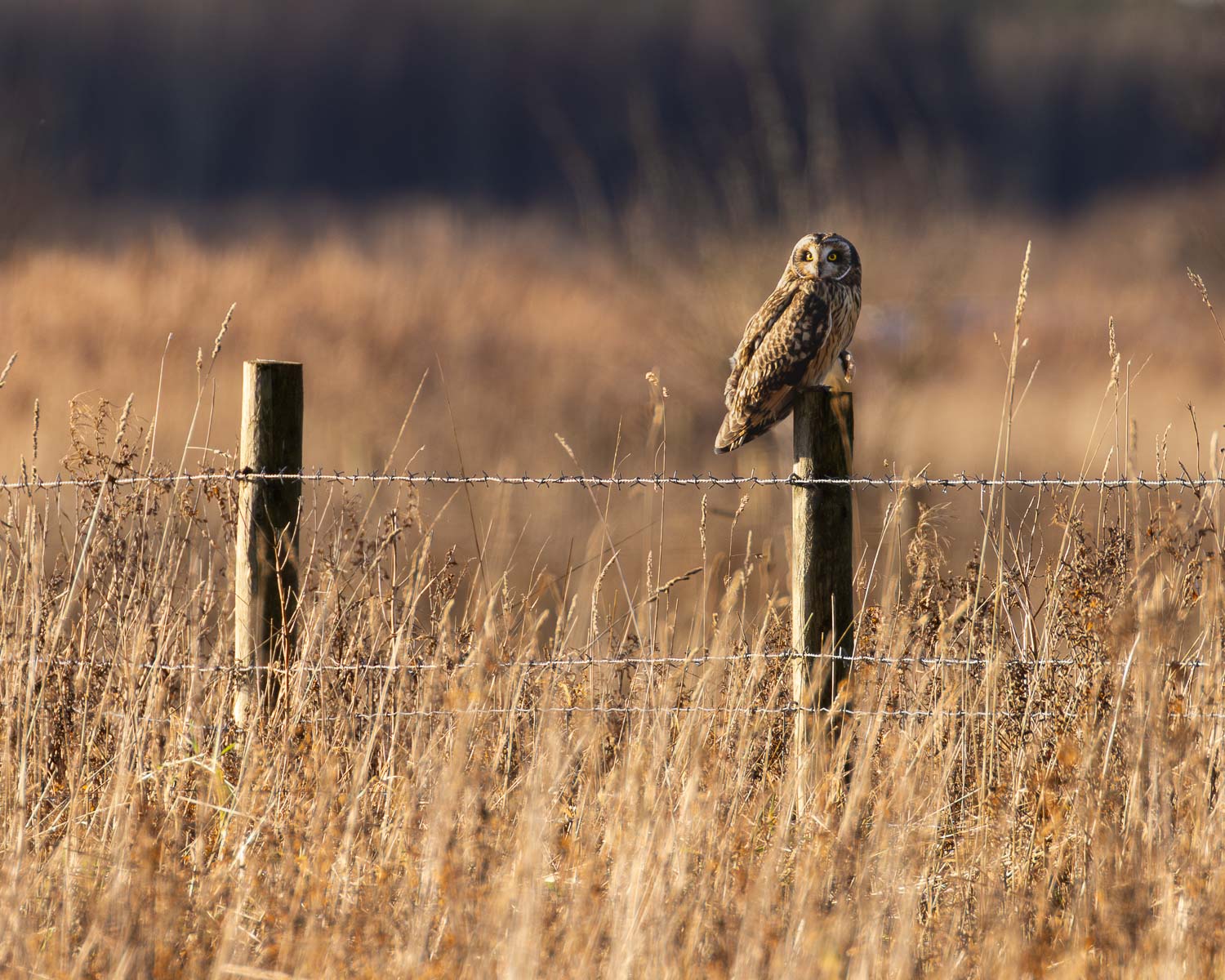
Short-eared owl
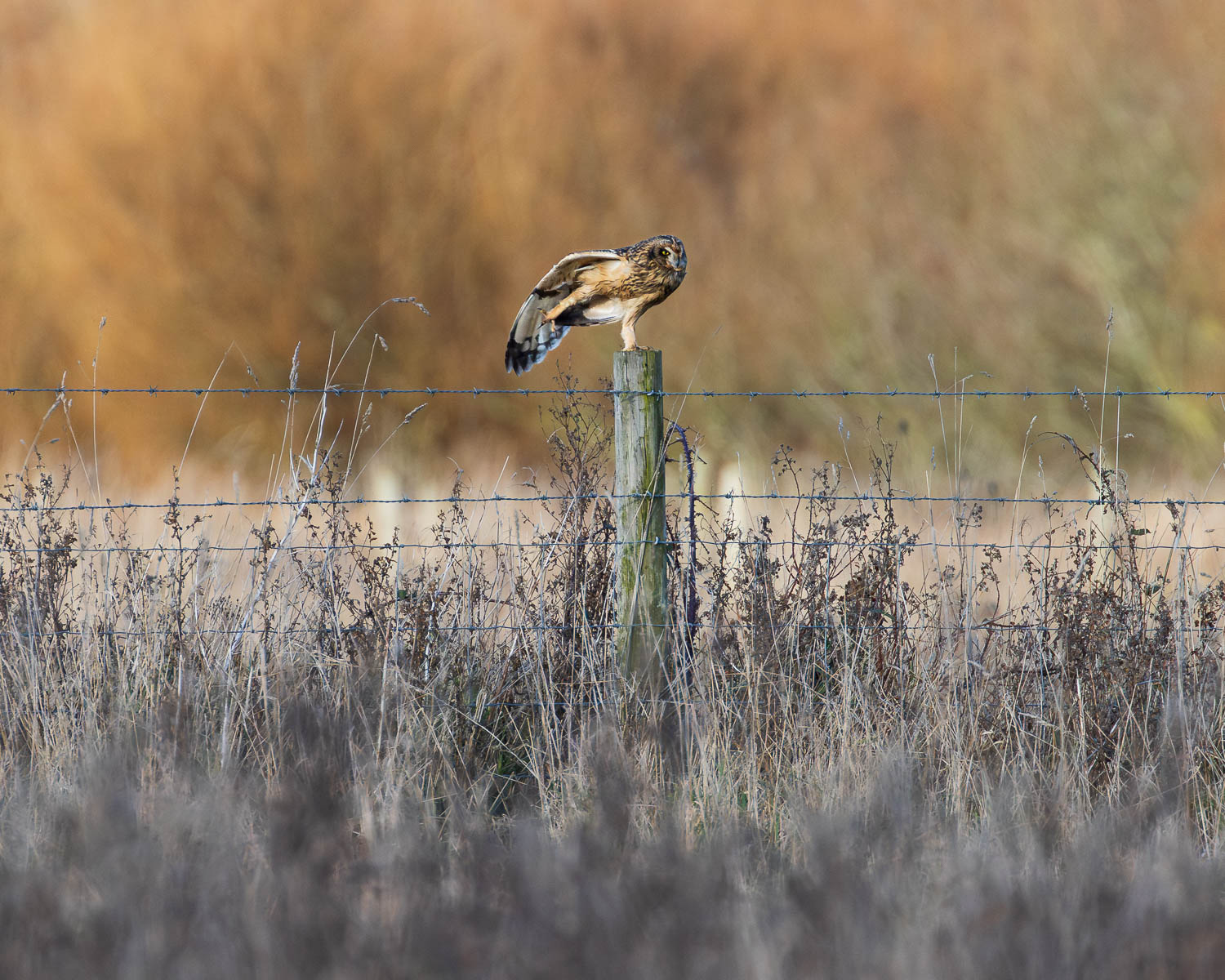
A further example below, captured at 560mm and heavily cropped, features an iconic short-eared owl.
Wood mouse

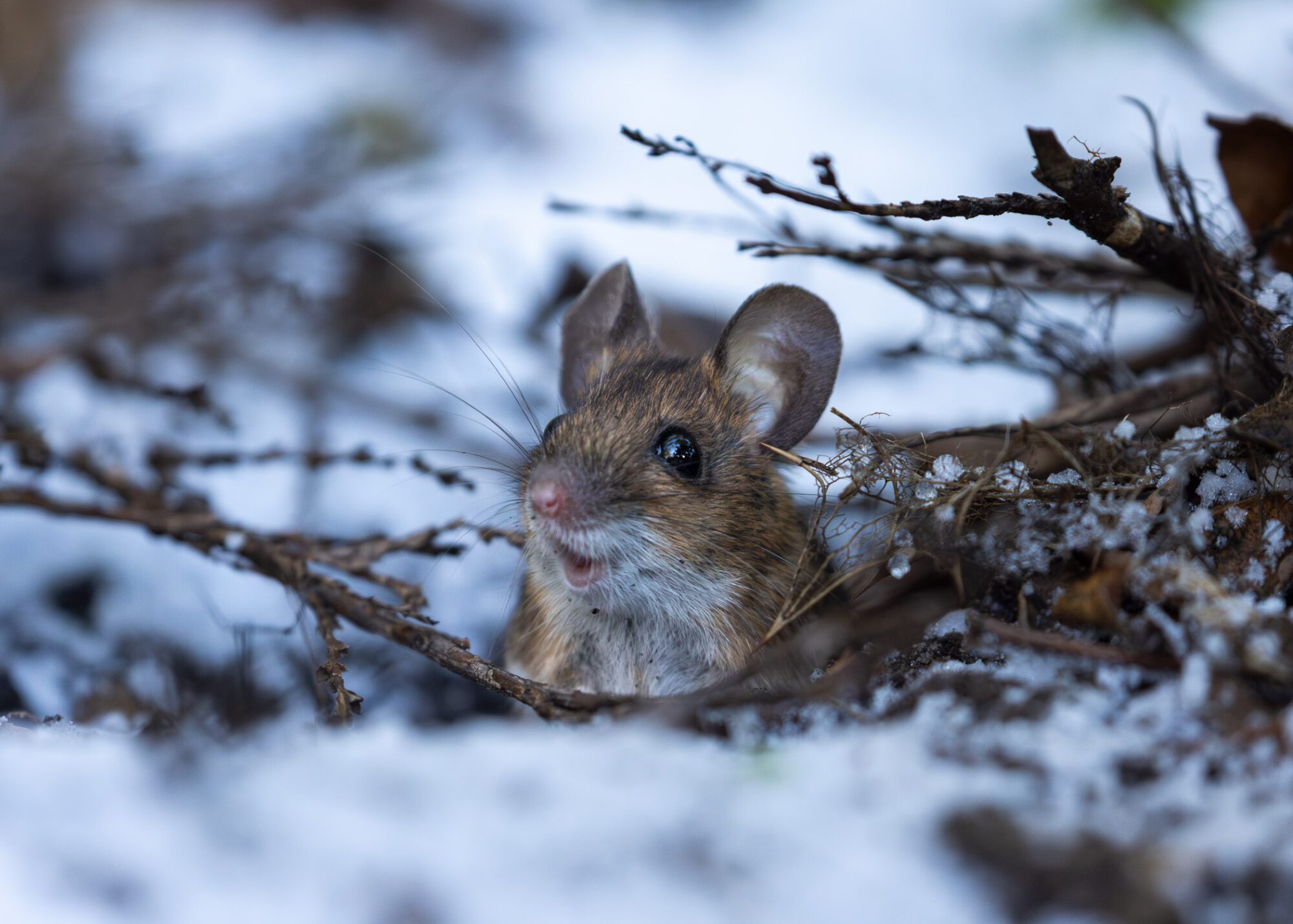
One final photograph captured with the Canon EF 100-400mm f/4.5-5.6L IS II USM and Canon EF 1.4x III extender. This photograph was the result of patience and enduring extreme cold. After coming across a burrow in a local woodland, I decided to lie down in the snow and see if the owner would show up. Lo and behold, after almost an hour of waiting, a beautiful Wood Mouse popped up. I managed to capture this posture as it yawned, giving it a shocked expression. A truly magical moment made possible thanks to the additional reach provided by the extender.
Should you use an extender with the EF 100-400mm II?
In short, the answer to this question depends on the camera body you will be using. Modern-day mirrorless camera bodies featuring improved low-light capability and advanced AI tracking will handle the combination with minimal issues. Occasionally, you may struggle with autofocus tracking, especially with fast-moving subjects. In these situations, I find shooting in burst mode can help – your camera will regain focus, and you’ll reduce the chance of missing the opportunity with a high burst mode.
That said, pairing the combination with an older-generation Canon DSLR camera may not be a suitable option. It’s worth bearing in mind the extra stop of light lost and the reduced autofocus accuracy and tracking. If you have an older-generation DSLR that struggles with low light, you may be better off using the Canon EF 100-400mm f/4.5-5.6L IS II USM on its own and cropping your image in post-processing software. With some older DSLRs, you may even lose the ability to autofocus altogether. I would recommend checking compatibility via a credible source beforehand to avoid disappointment.
Alternative Options to the EF 100-400mm II for Wildlife Photography
Canon EF Lenses
- Canon EF 400mm f/5.6L USM
- Canon EF 500mm f/4L IS II USM
- Canon EF 600mm f/4L IS III USM
- Canon EF 400mm f/2.8L IS III USM
- Canon EF 400mm f/2.8L IS II USM
- Sigma 150-600mm f/5-6.3 DG OS Sport & Contemporary
Canon RF Lenses
- Canon RF 100-500mm f/4.5-7.1L IS USM
- Canon RF 200-800mm f/6.3-9 IS USM
- Canon RF 400mm f/2.8L IS USM
- Canon RF 600mm f/4L IS USM
Closing Comments on the Canon EF 100-400mm f/4.5-5.6L IS II USM
Over the past couple of years, the Canon EF 100-400mm f/4.5-5.6L IS II USM has been an absolute pleasure to use. It is a flexible lens that delivers extraordinary fast focusing and exceptional image quality. The lens is on the heavier side, but only because of its rugged build quality. Being a flagship L-series lens, it excels in environments where many other lenses would fail.
There are some scenarios where 400mm may not seem like enough reach. This is where fieldcraft comes into play. I think it’s easy to fall into the trap of wanting longer-reaching lenses to get closer to subjects. Ultimately, if you buy for this reason, you will never be happy. By becoming familiar with your subjects and understanding their behaviour, you can better position yourself to make the most of the focal length you have.
In situations with extremely low levels of light, clever use of technique can offset slower shutter speeds. Consider slow shutter speed panning, a phenomenal camera technique for illustrating subject movement whilst keeping the important elements sharp (eyes and body). Also, watch your subject closely and wait for moments where movement is reduced. Moments such as these offer perfect opportunities to capture sharp images at slower shutter speeds.
Paired with modern mirrorless cameras via an EF-RF adapter, the Canon EF 100-400mm f/4.5-5.6L IS II USM continues to shine. Image quality is on par with the newly released Canon RF 100-500mm f4.5-7.1L IS USM, and it benefits from almost one stop of extra light. The advanced AI tracking capabilities of modern Canon mirrorless systems allow the Canon EF 100-400mm f/4.5-5.6L IS II USM to flourish. Subject eye tracking is fast and accurate, even in complex environments.
Recommendation
If you’re looking for a flexible camera lens perfect for wildlife photography that doesn’t come with the high-end prime lens price tag, you truly can’t go wrong. The Canon EF 100-400mm f/4.5-5.6L IS II USM still packs a punch even with the release of modern RF lenses. This lens has well and truly stood the test of time and will continue to shine for many years to come.
If, like me, you want to save money and buy used, there are some phenomenal deals to be had. Shopping with reputable outlets such as Wex Photo Video will provide peace of mind knowing you’re buying a fully inspected and guaranteed lens.
Hopefully, this review has provided valuable insights into the performance of the Canon EF 100-400mm f/4.5-5.6L IS II USM in 2026. Yes, the lens is 11 years old, and modern-day alternatives are available. However, unless you’re looking at a high-end prime lens, you will be hard-pressed to find a more capable lens for its price point. As we approach that magical time of year for wildlife photography, I know that I can trust my Canon EF 100-400mm f/4.5-5.6L IS II USM to deliver. With that said, I’m looking forward to spring and capturing the magic of nature as it awakens from its slumber.
Develop Your Fieldcraft Skills
Throughout this post, I’ve referred to the use of “fieldcraft”. In my opinion, fieldcraft is the most important skill for successful wildlife photography. Fieldcraft allows you to notice the smaller details and understand patterns and behaviour of your subjects. It allows you to think like your subject and get closer without risking disturbance.
My barn owl guide teaches you exactly that. Ethical wildlife photography through observation and respect for nature.
By the end of my guide, you’ll be able to locate suitable territories, identify signs of activity, recognise behaviour patterns and signs of distress, and understand the camera equipment and settings needed to capture creative compositions.