
Ethical wildlife photography, for me, is all about putting nature first. It’s a mindset that keeps me accountable in the field, and reminds me that no image is ever worth disturbing an animal or damaging the habitat it depends on.
I see it as my responsibility to document wildlife as it is, without any interference or influence. By working this way, I get to photograph behaviour that most people never see, and more importantly, I know I’ve captured it honestly. This is the heart of ethical wildlife photography.
Codes of conduct and national legislation are helpful starting points, but they’ll only take you so far. The principles below are what help me put nature first every time, and they can help you protect and respect the landscapes and species you photograph, too.
The Wildlife and Countryside Act 1981: The Legal Foundation of My Ethical Approach
The Wildlife and Countryside Act 1981 is the backbone of wildlife protection here in the UK. It safeguards nesting birds, their eggs, and a wide range of protected species, plants, and habitats. As a wildlife photographer, I see this legislation as the absolute baseline; it’s the minimum standard for working responsibly in the field.
But, obeying the law is only the starting point. Ethical wildlife photography goes far beyond compulsory legislation. It’s recognising that every decision I make has a cause and effect, and that the well-being of nature always comes first. My responsibility is to work in a way that never risks disturbance, never alters behaviour, and never puts wildlife under unnecessary pressure.
Legislation establishes the ground rules. My ethics principles take accountability one step further.
Recognising Signs of Distress
Recognising signs of distress is one of the most important parts of ethical wildlife photography. In an ideal world, I’d never disrupt wildlife at all, but even careful fieldcraft can sometimes cause an unintended reaction. Knowing what to look for and how to respond is a skill I rely on every time I’m out in the field.
If I accidentally venture too close or move unexpectedly, an animal may react immediately. Many species like hares, deer, and ground‑nesting birds, especially, will turn away or leave the area at speed. Creating distance is often their first line of defence.
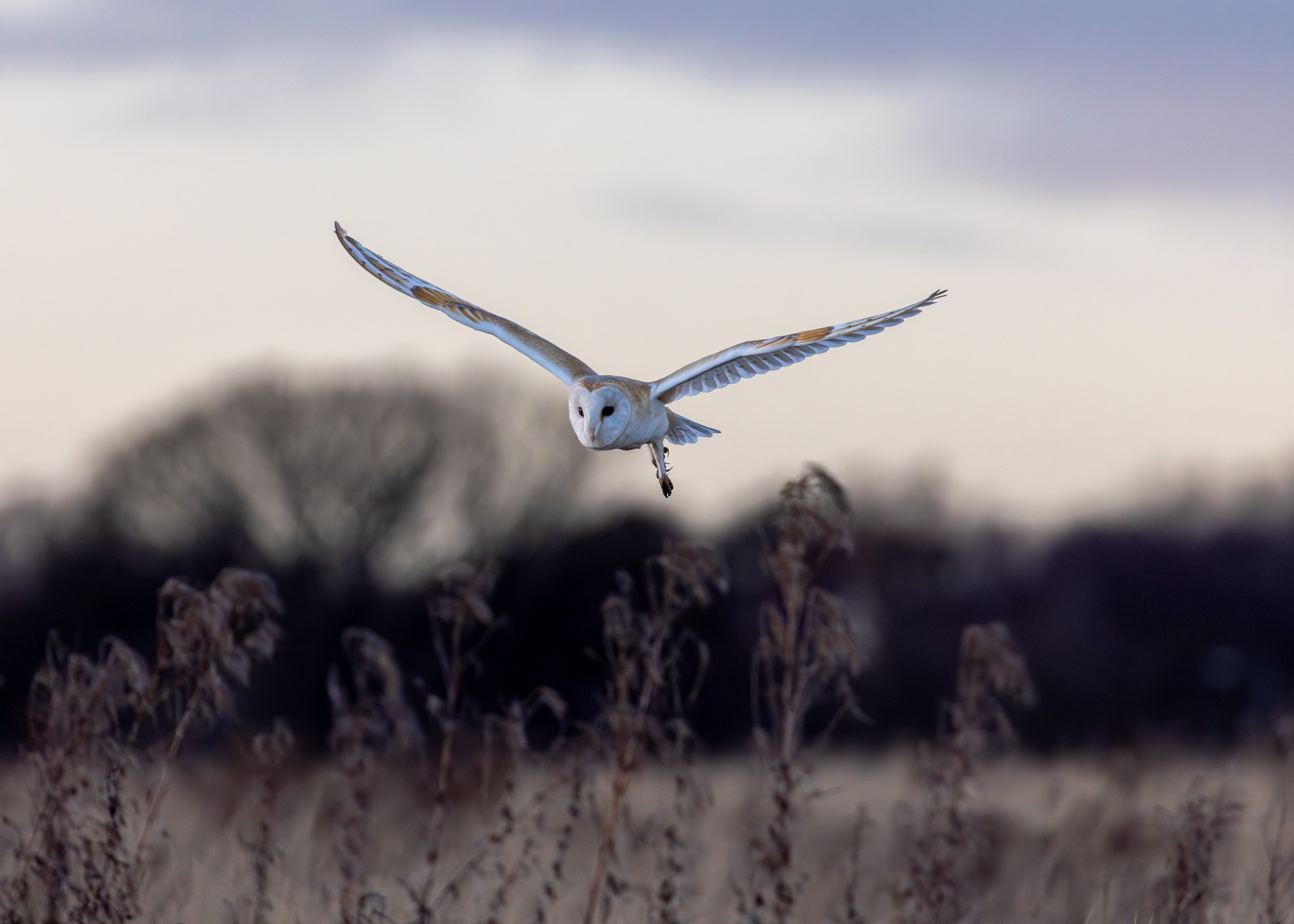
Not every species shares this instinctive flight response, so I pay close attention to more subtle signs too. Take barn owls: if one repeatedly looks in my direction or abruptly alters its hunting pattern, it has noticed me. Something I’ve done has drawn its attention, and I’m now at risk of disturbing it. In that moment, my responses are simple: stop, stay still, or back away to give the owl the space it deserves.
Understanding these early distress signals is one of the best ways I can protect the well‑being of wildlife. Over time, I’ve learned to familiarise myself with a species’ alarm calls, postures and behaviour, so I know immediately when something isn’t right. It’s a small skill with a huge impact, and one that every wildlife enthusiast would benefit from.
Respecting Distance
Wildlife behaves most naturally when it’s undisturbed, and one of the simplest ways I can achieve this is by respecting distance. I’m never tempted to creep forward for a closer view. If I get too close, I risk forcing an animal to move when it doesn’t need to. This can cause it to waste valuable energy and disrupt its natural behaviour.
This is where good fieldcraft comes into play. Instead of edging closer, I work with the landscape I’m in. I blend into my surroundings using natural cover, sit low to the ground, and wait patiently. I let wildlife come to me on its own terms. Effective fieldcraft isn’t about getting close; it’s about not being noticed, so that distance is no longer an issue.
Avoid Baiting and Playback
Baiting and playback have no place in ethical wildlife photography. Both practices interfere with natural behaviour, create unnecessary stress, and prioritise the image over the well-being of wildlife, something I never want my work to do.
Playback in particular can have serious consequences. Many of the UK’s native species are highly territorial. Hearing a rival’s call could trigger an aggressive response or cause them to abandon the area altogether. In winter, luring animals closer could also force them to waste valuable energy, energy that may be the difference between life and death during harsh conditions.
Baiting carries its own risks. It conditions wildlife to associate people with food, altering their natural foraging and hunting behaviour, and increasing dependence on us. It can also expose animals to danger, causing them to venture into areas they wouldn’t normally be seen in search of an easy meal.
These shortcuts aren’t just unnecessary; they’re unethical. I will always promote good fieldcraft as a far better ethical alternative, a lifelong skill that works with your surroundings rather than manipulating them. My work relies on patience and attention to detail because I know it always leads to natural encounters.
Ethical Wildlife Photography and Seasonal Awareness
Wildlife adapts to the changing seasons in the same way the landscape does. Some times of year are more demanding than others, with winter and early spring being a true test of nature’s resilience. As an ethical wildlife photographer, I’m always aware of these pressures to ensure my presence doesn’t affect behaviour.
In winter, conservation of energy is essential for survival. Even the slightest disturbance during these challenging months can cause wildlife to use valuable energy that could be difficult to replace. Throughout winter, I’m careful to give nature the extra space it needs so it can focus on what it does best: survive.
As spring approaches, the focus turns towards new life. This is a vulnerable time for many species, including ground-nesting birds and small mammals such as leverets. Being aware of this guides my decision-making, from my approach to simple things like route planning. For example, I stick to paths wherever possible, especially across farmland or open fields, reducing the risk of disturbing nests or young animals hidden in the grass.
When I consider the pressures of seasonality, I know I’m helping to protect tomorrow’s wildlife today.
Leave No Trace. Leaving the Land Exactly as I Found It
My actions shouldn’t be destructive. As an ethical wildlife photographer, I see myself as an ambassador for nature, and I want that responsibility to reflect in the way I work.
Wherever I am, I leave the area exactly as I found it. I avoid trampling wildflowers, I keep to paths where available, and I don’t rearrange landscapes to make them more appealing. Perfection isn’t natural, and decorating the landscape only causes harm.
If I prefer clean backgrounds, I plan for them. I scout locations in advance, looking for natural leading lines and complementary elements that support my subjects. I check for a clear line of sight and position myself so that the background is at least 15-20 metres away from where I expect my subject to be. This helps to create a soft blur that emphasises my primary subject without altering its habitat.
Most importantly, I take all litter home.
Leaving no trace might seem simple, but it’s one of the most effective ways I can protect the environment and species I photograph. It’s a low-effort, high-reward principle that each one of us should follow for the good of nature.
Private Land and Seeking the Landowner’s Permission
As wildlife photographers, we’re often drawn to those perfectly wild fields filled with potential, but many of these wildlife havens are privately owned. As tempting as it might be to slip in for a quick photograph, I never trespass. Instead, I find out who owns the land and have an honest, open conversation. More often than not, if I’m respectful and polite, landowners are happy for me to spend time on their land.
It can be daunting at first, but it gets easier with every conversation. If I can do it as an introvert, you can too. Many landowners are fountains of local knowledge, and they’ll often happily give tips, share recent sightings, calls they’ve heard, or areas worth exploring. Most of them love nature just as much as we do.
If I’m granted permission to access private land, I treat that access with care. I follow the Leave No Trace principles and respect the land as if it were my own. Access is a privilege, and one that should never be taken for granted.
Keep Locations Vague or Private
The best thing I can do to protect wildlife is to keep my locations vague or private. Even photographers with good intentions can unintentionally add pressure to sensitive areas. The last thing I want is for a location to go viral and suddenly attract heavy footfall. More people visiting a site means more pressure, and a greater chance of disturbance or habitat damage.
Good ethics is realising that, unfortunately, not everyone who sees my work has the same intentions. A small minority, and that’s all it takes, may be out there to cause harm to the wildlife I love. It’s a shame that I almost have to become a gatekeeper, but for the well-being of nature, it’s a stance worth upholding.
If I feel a location adds context to my work, I keep it as vague as possible. Instead, I’ll provide a broader area or a general habitat rather than providing exact names or coordinates. The internet is a big place, and being mindful of the information we share is a simple way to practise ethical wildlife photography. Nature first, always.
Ethical Wildlife Photography is a Mindset
Ethical wildlife photography isn’t just a checklist; it’s a mindset. Every decision I make in the field comes back to one simple idea: nature first. When I recognise signs of distress, respect distance, avoid shortcuts, stay aware of the seasons, seek permission, leave no trace, and keep locations private, I know I’m doing my part to protect the wildlife I love to photograph.
If you’re exploring ethical wildlife photography for the first time, or refining your own approach, I hope these ideas help guide your time in the field. The more care we take today, the more wildlife there will be to inspire us tomorrow.
Further Reading in Wildlife Photography
The Value of Patience – discover how patience transformed my wildlife photography.
Wildlife Photography Gallery – a collection of wildlife photography from my local area.
Guides and Resources – a hub of knowledge to help you on your photography journey.