
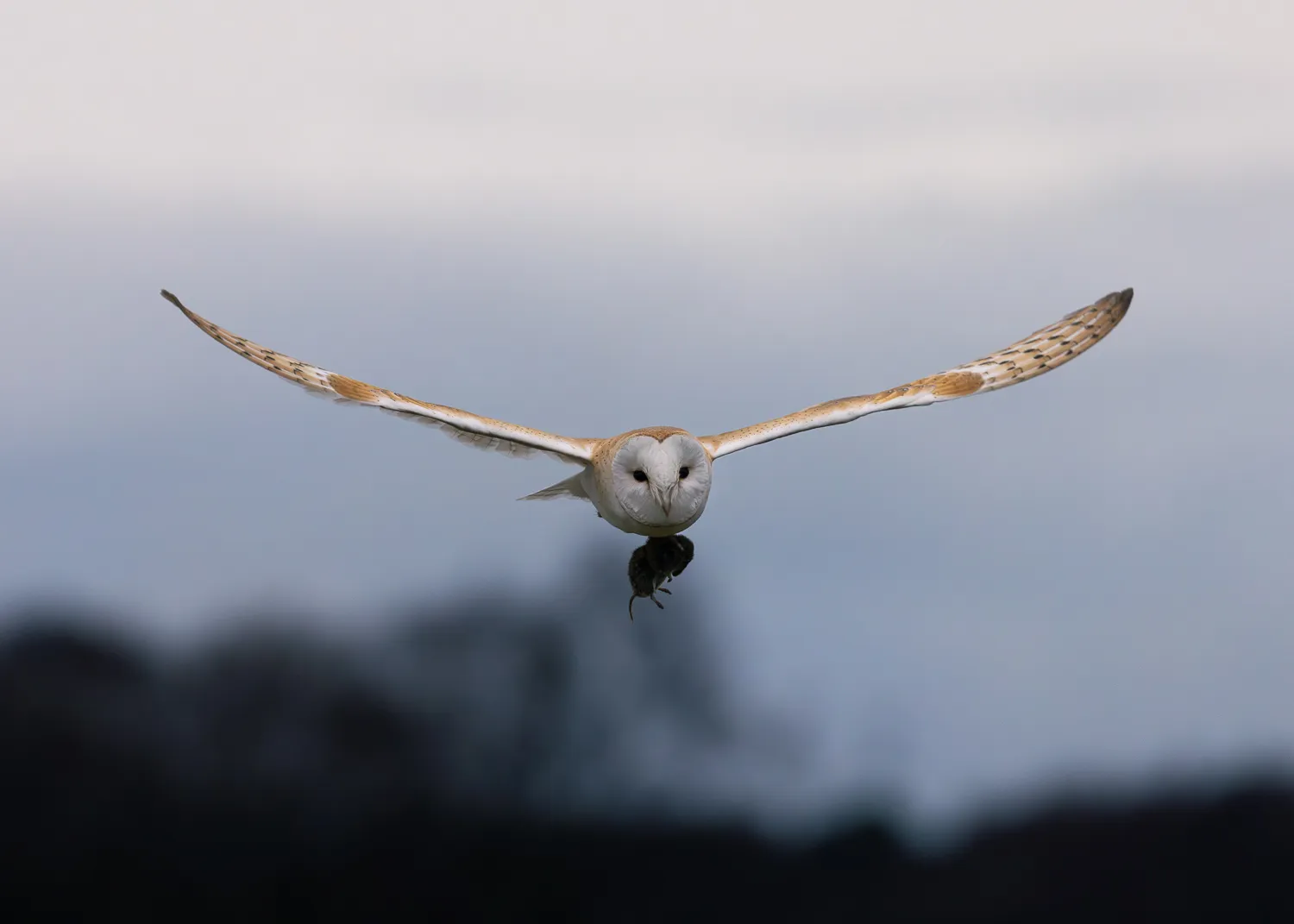
Patience has quickly become one of the most valuable skills in my wildlife photography arsenal. It’s a skill that quickly taught me how to manage my expectations. I used to be disappointed if I went out with my camera and didn’t return with a photograph I had in mind. Now, I embrace it. Wildlife photography is a journey, one that can’t be rushed.
I believe that patience is a mindset that puts nature firmly in the driving seat. Wildlife does what it wants when it wants, and natural behaviour can’t be forced. I’ve lost track of how many hours I’ve spent sitting under makeshift hides with dead legs and wet clothes, waiting for those rare dream opportunities. They don’t happen often, but when they do, I’m ready.
What Patient Wildlife Photography Means to Me
I’ve given this some thought recently, especially after completing one of my biggest local projects, spanning four seasons: Wild Rainford. Patient wildlife photography is realising that expectations only lead to disappointment. I became more successful the moment I accepted that nature can’t be rushed, and neither can strong, emotive photography. Observing patterns and understanding behaviour takes time; it’s a journey, and the destination is always worth going the extra mile.
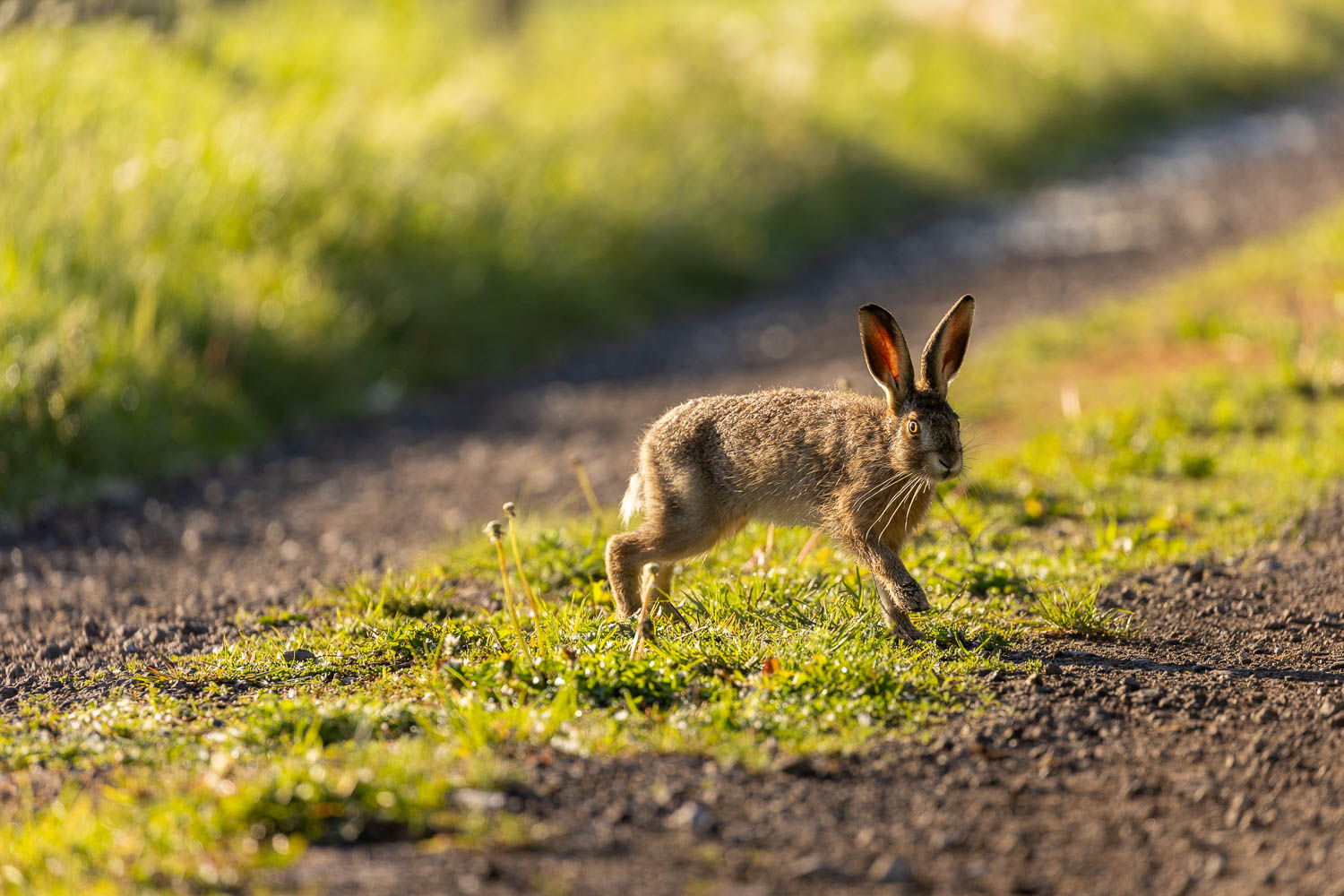
Patience directly influences my fieldcraft and ethical practices. I know exactly when to give situations more time, when to step back and give nature more space, and when to call it a day. Patience is what brings nature to me, allowing me to witness moments most people rarely see. I’ll always prioritise nature, no matter how long it takes to create an image that completes a journey.
Why Patience is Essential in My Wildlife Photography
Patience, good ethical practice, and fieldcraft. Together, they’re the foundations of my work and hold me accountable for all of the decisions I make out in the field. Without patience, I wouldn’t give wildlife the space it needs to thrive undisturbed, and I wouldn’t create images that feel natural.
I think it’s genuinely difficult to capture natural behaviour without spending some time observing it. The more hours I spend in one spot at different times of day and throughout changing seasons, the more I notice patterns and small details that would be easily missed. These are the moments I live for, and they always lead to my most memorable photographs.
In a way, patience has become instinctual for me. It helps me make better decisions out in the field. I’ve spent so long observing local wildlife that I know the weather patterns and times of day that generally lead to successful encounters. My commitment to patience means I know when to arrive at a location and when it’s safe to leave, without causing a disturbance or interrupting routine behaviour.
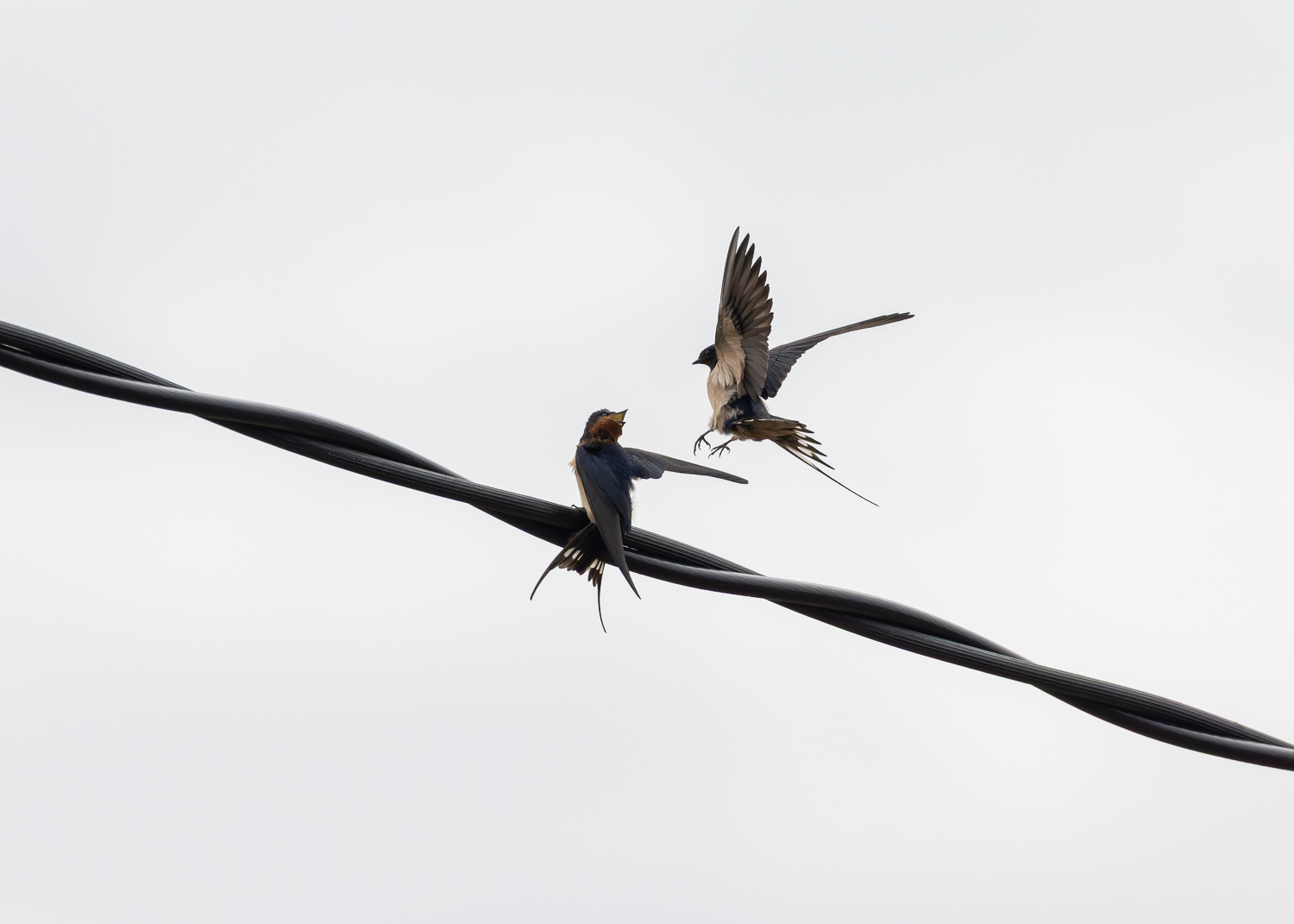
How I Apply Patience in the Field
It’s a daunting prospect at first, the idea of sitting in one spot for hours on end. Luckily, I adapted to it quickly and picked up a handful of tricks along the way to make the waiting game more comfortable. In my experience, there’s nothing worse than being too cold, exposed to the elements, and sitting in an awkward position. Each of these leads to irritability and increases the chances of unintentionally disturbing wildlife.
To tackle this, I came up with a personal checklist for those longer trips in the field covering clothing, seating, food and drink, and camouflage.
Comfort is key to patient wildlife photography
I always bring more layers than I think I’ll need, especially during the winter months. Heat loss kicks in fast, especially for a slim guy like me. I use a padded foam cushion that’s comfortable and lifts me off the ground, helping to retain warmth. A tripod for my camera on those longer sessions means I don’t have to keep hold of a cold metal lens. My drink of choice is hot tea; as a Brit, there is no other acceptable choice. I also go for snacks with minimal packaging to avoid rustling. Finally, one-way camouflage netting helps me to lower my chances of being seen whilst making small movements, such as enjoying a drink.
When I’m comfortable and warm, I know that my full attention is where it needs to be. That’s what allows me to sit in one spot for hours on end without ever feeling the urge to move. Often when I’m waiting, I’m not just watching for my subjects. I’m listening to the hypnotic calls of nearby birds and looking for subtle movements in the surrounding landscape. I’m savouring every moment outdoors, connecting with nature, and ultimately, that’s what it’s all about. A photograph is just a bonus.
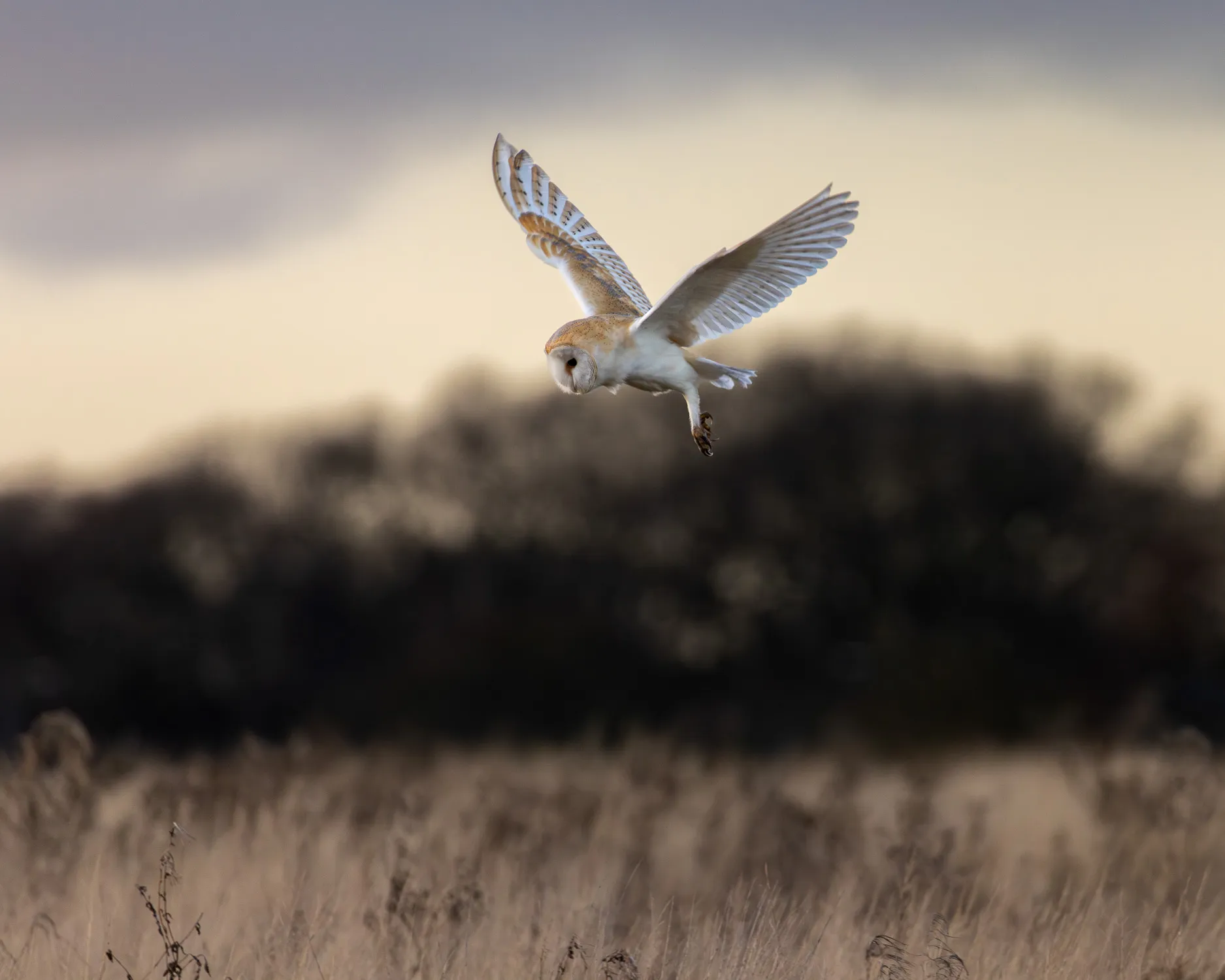
Patience Puts Wildlife Before Photography
Patience has been a game-changer in my wildlife photography. It’s taught me the value of slowing down, attention to detail, and letting nature lead. It’s something every wildlife enthusiast can practise, with no cost other than time. The longer I spend outdoors, the more I realise it’s not about the photograph, it’s about the connection to nature. Every moment is a learning experience and a step closer to witnessing the kind of dream behaviour I never thought possible.
Further Reading in Wildlife Photography
My Nature-first Approach – learn how ethical practice helps me to prioritise the wellbeing of nature.
Wildlife Photography Gallery – a collection of wildlife photography from my local area.
Guides and Resources – a hub of knowledge to help you on your photography journey.