
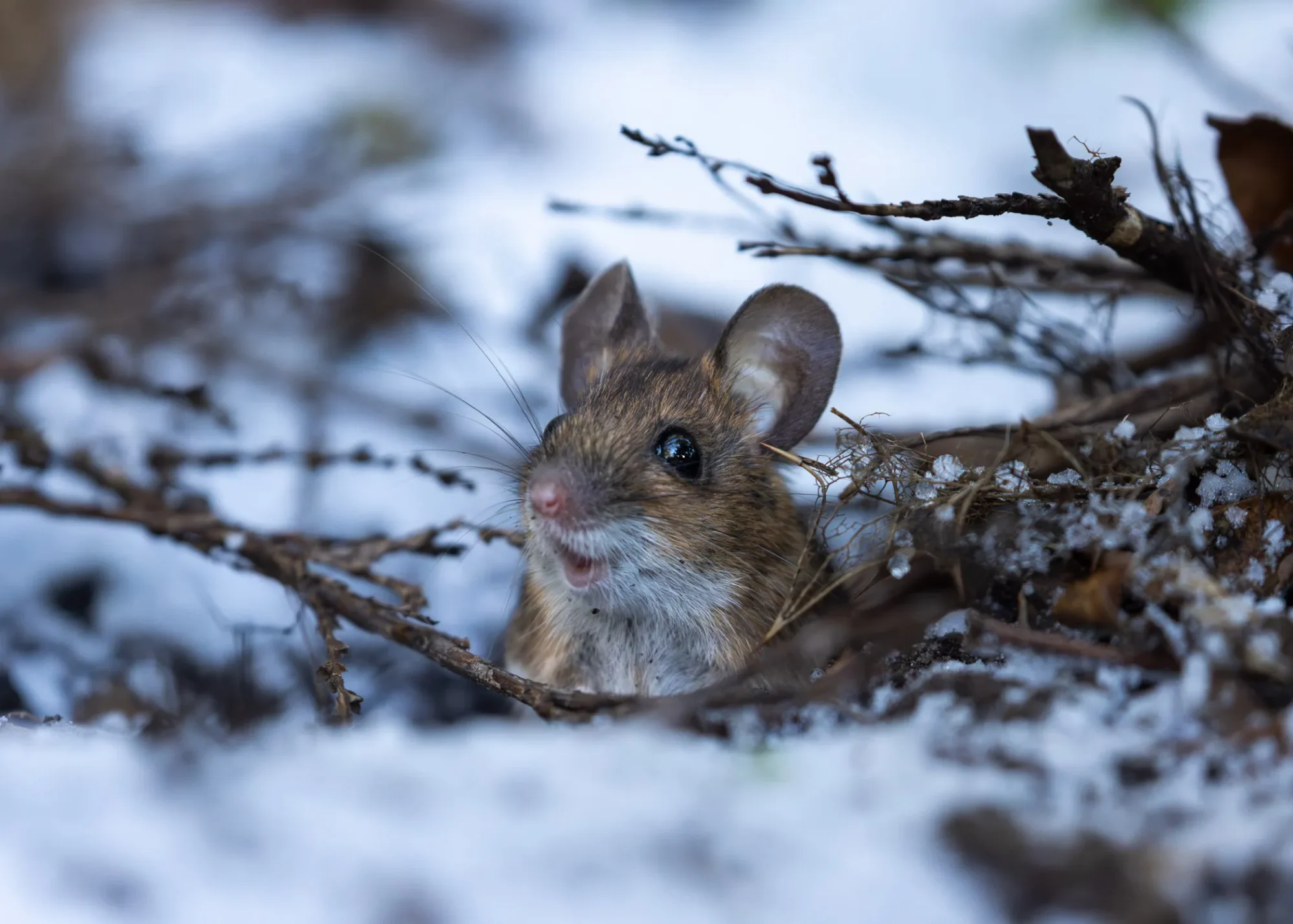
Ethical wildlife photography is more to me than just art. It’s my way of connecting with nature and giving back in its time of need. Through projects like Wild Rainford, I raise awareness of why our green spaces matter for the species that depend on them.
Most of my photographs are taken close to home in the picturesque countryside surrounding Rainford Village and further afield around North West England. I love nothing more than sitting under a makeshift hide, watching nature behave exactly as it should, undisturbed and completely wild. To do this, I rely on three core principles of ethics, fieldcraft, and patience.
Below, you’ll find a teaser of some of my favourite images captured on my doorstep. Keep scrolling, and I’ll walk you through why each principle matters so much to me and how they influence my photography. I’ve also included links to in-depth pages on each principle to help you incorporate them into your own approach.
A Glimpse Into My Wildlife Photography
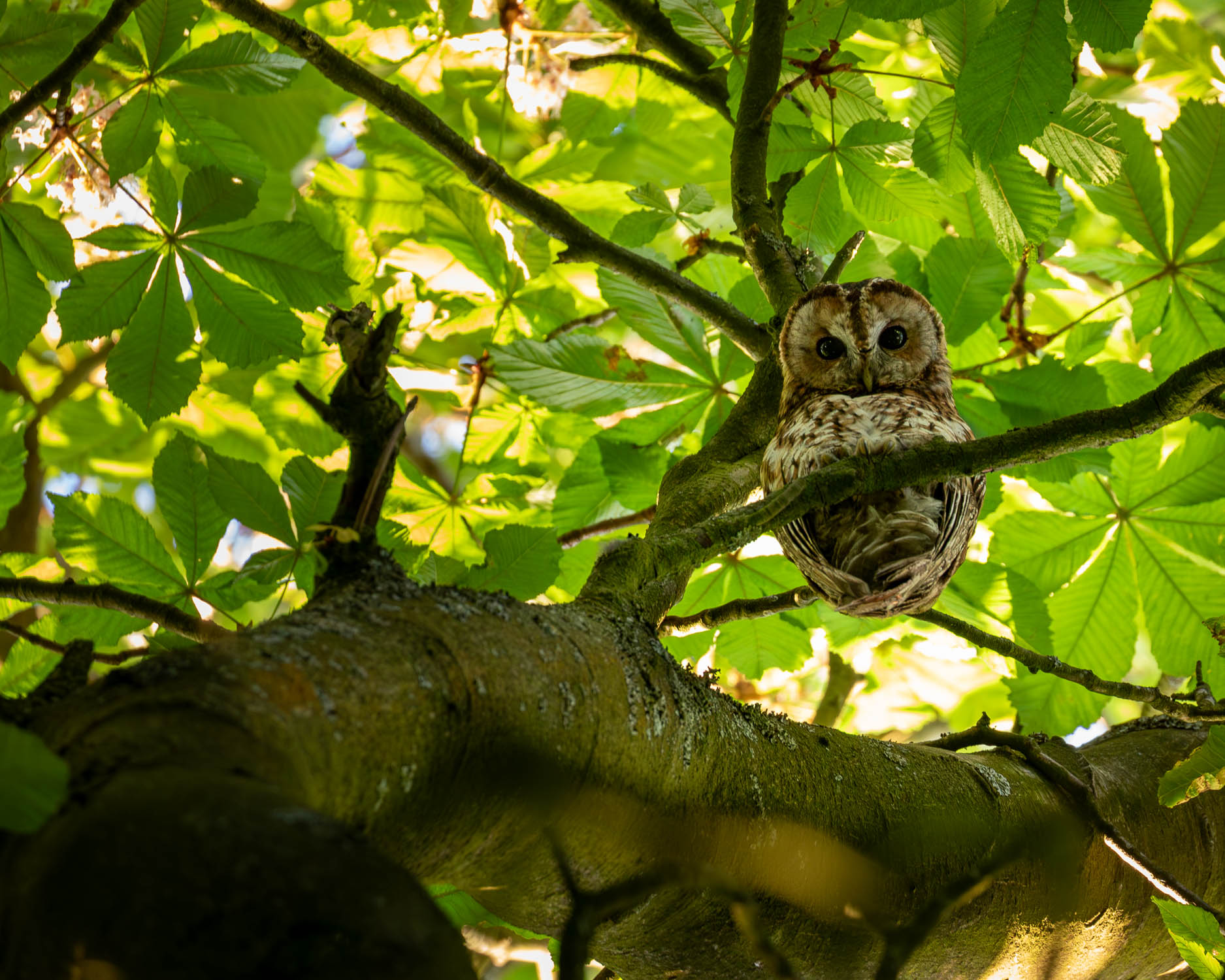
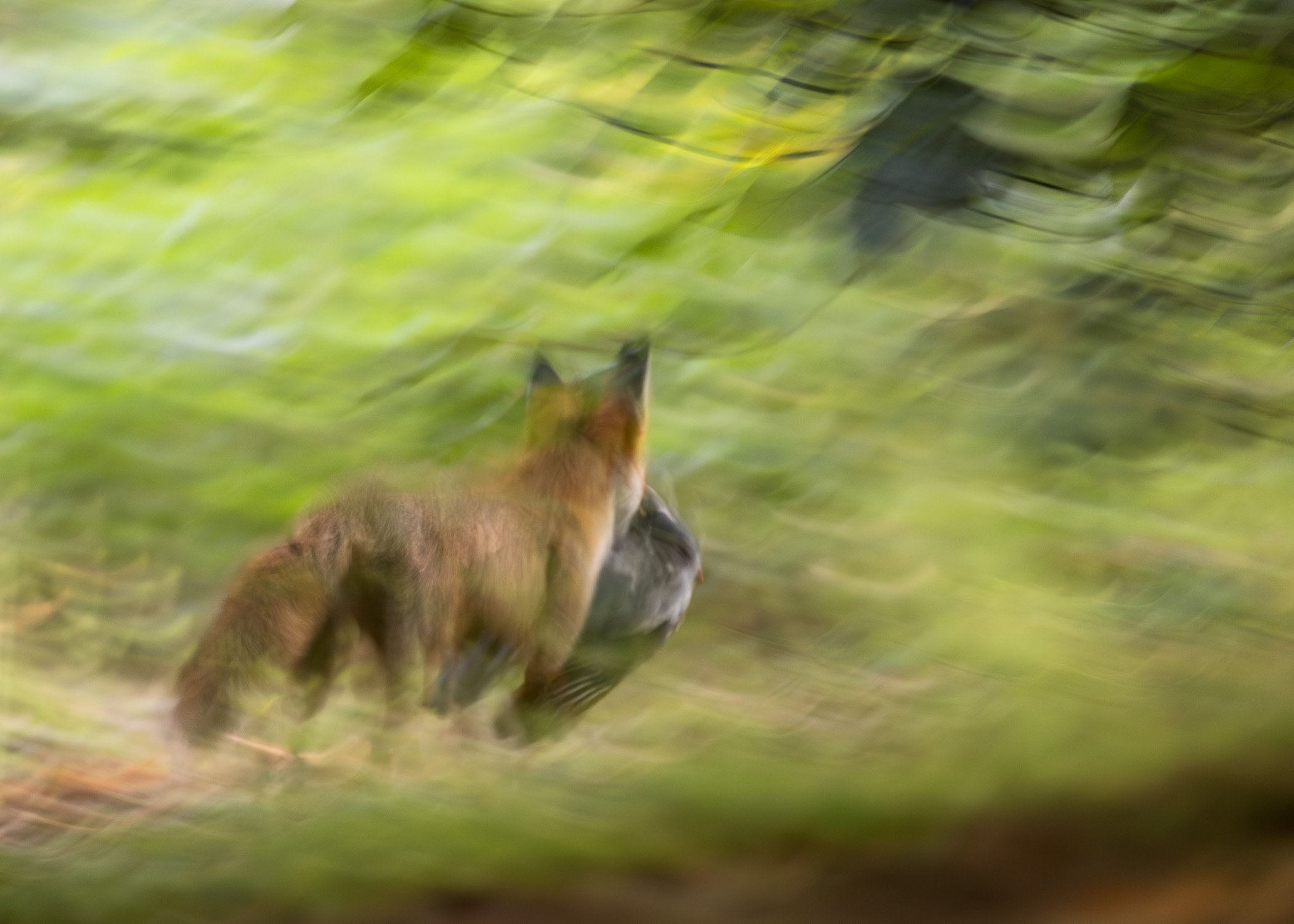
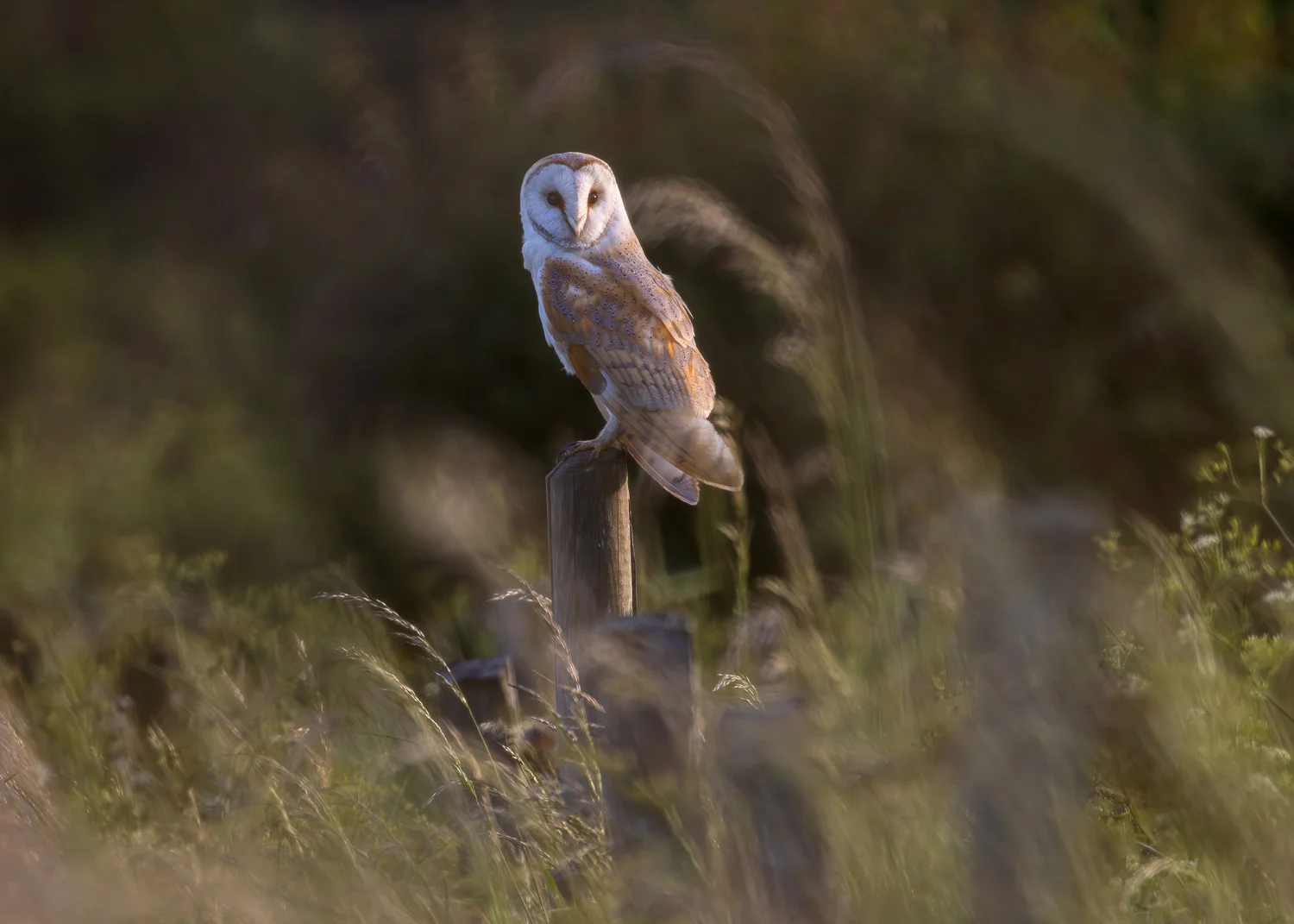
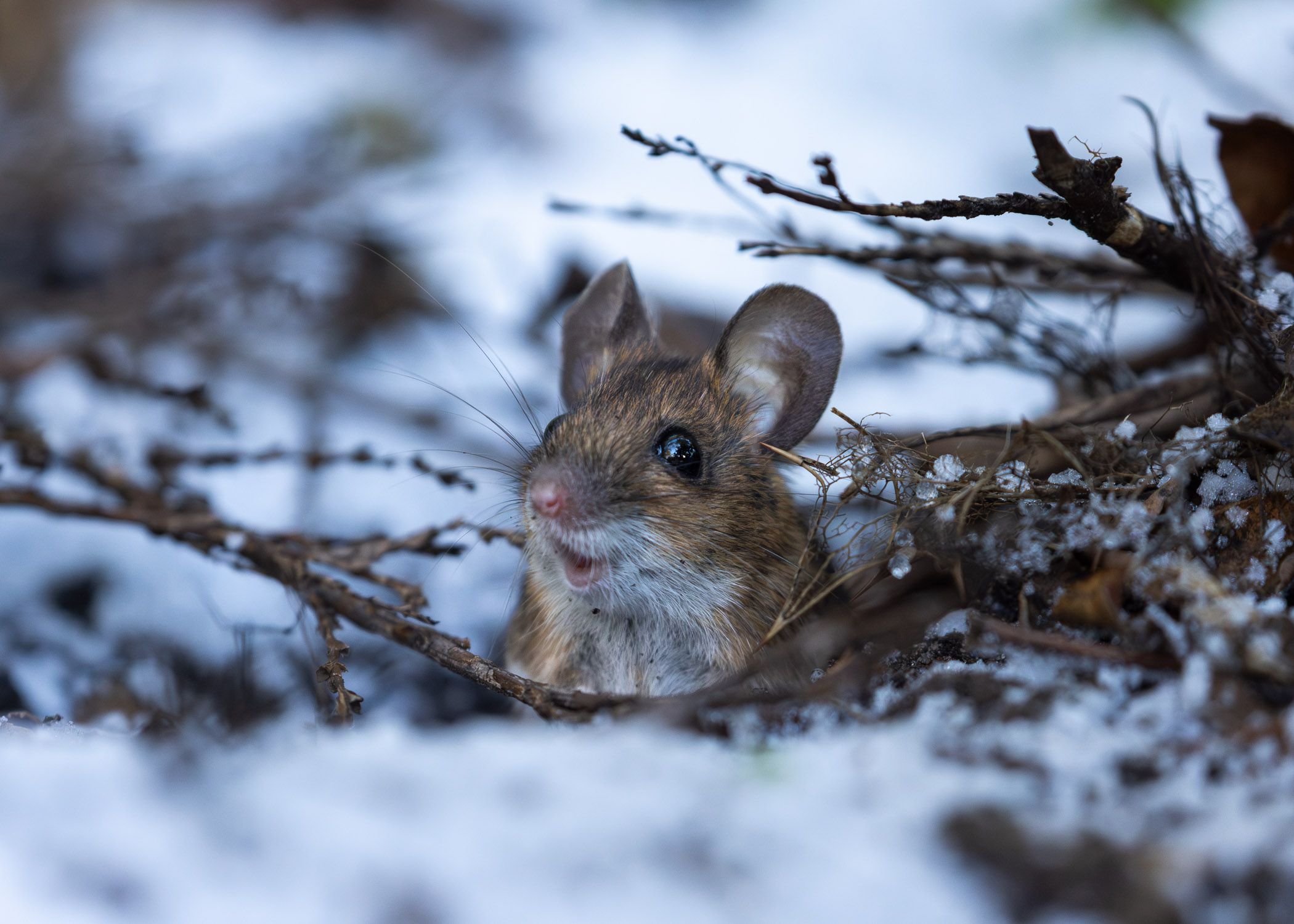
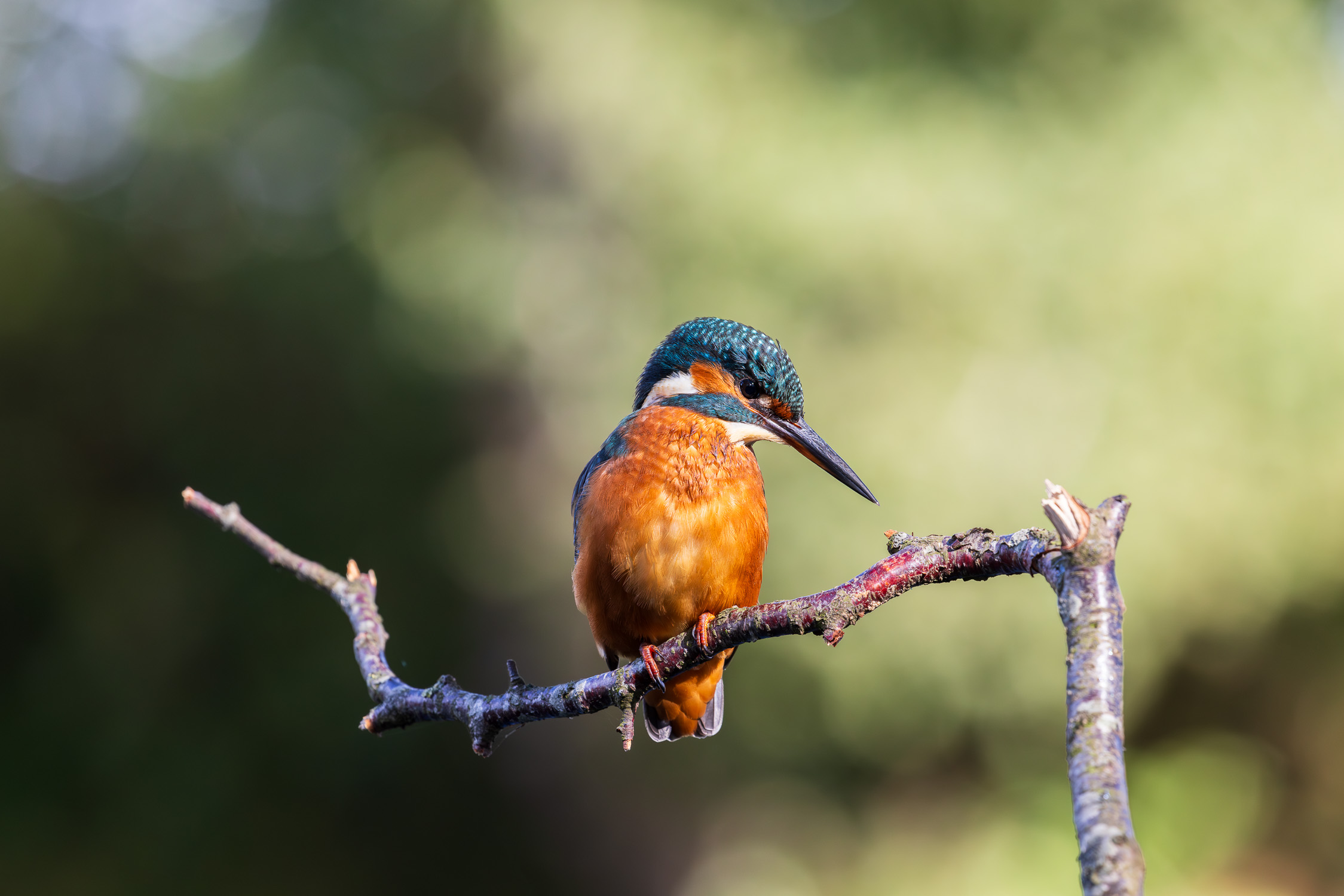
A handful of my favourite wildlife photographs, captured locally around Rainford Village in the beautiful English countryside.
View my Wildlife Photography Gallery →
What Wildlife Photography Means to Me
Wildlife photography is just one of the many ways I connect with nature on my doorstep. Most of my work happens within a few miles of where I live, in and around the beautiful countryside I’m lucky enough to call home. It’s hard to put into words what nature means to me. It’s my life. There’s not a minute of each day that goes by that I’m not observing, photographing, or talking about the beauty of the outdoors.
Over the years, I’ve spent quite literally thousands of hours sitting in wild meadows, wandering through our ancient woodlands, and exploring the endless trails winding through the countryside. During this time, I’ve had the privilege of witnessing wildlife behaviour and moments I never could have dreamed of. These are the moments I live for. The chance to witness and photograph wildlife at its best, capturing moments that most people rarely get the chance to see.
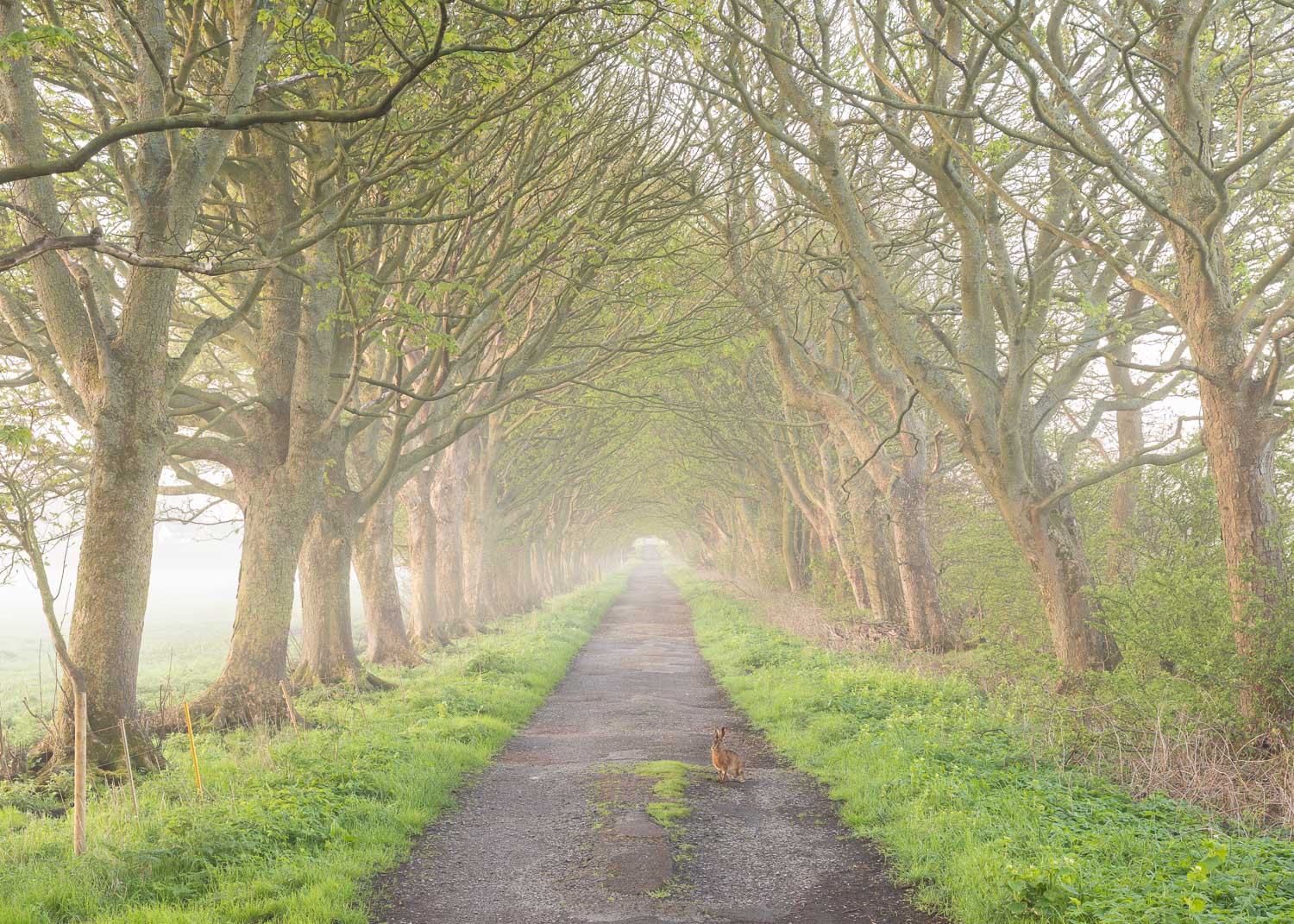
My passion for nature drives my work. Every time I pick up my camera and head outdoors, I put nature first, and that’s why ethics, fieldcraft, and patience are such valuable principles. They keep me accountable and allow me to enjoy nature without risking disruption.
How Does Ethics Influence My Wildlife Photography?
The well-being of wildlife must always come before the creation of an image.
Ethical practice is a fundamental part of my wildlife photography. It means that my work will never cause harm or distress to wildlife or the environment. Every time I head out into the field, I do so with respect, I leave no trace, and I never interfere. This is how I capture nature at its best, raw and naturally wild.
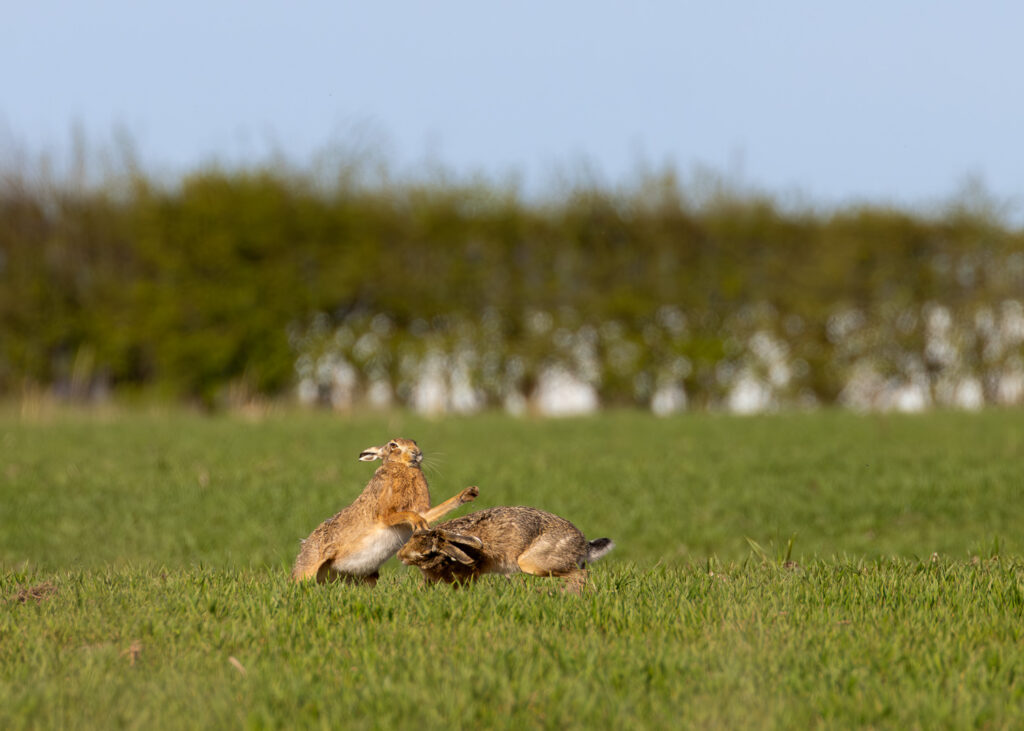
Nothing shows you care more than a strong, responsible approach. Ethical wildlife photography is much more than following codes of conduct. It’s recognising signs of distress and acting accordingly. It’s keeping a respectful distance and understanding how seasons affect behaviour. Ethical practice avoids harmful shortcuts such as playback and baiting, and protects wildlife from disturbance by keeping sensitive locations private.
This section is only a brief introduction to the ethical principles that influence my work. If you’d like to learn more, I’ve written a longer piece on ethical wildlife photography that expands on these ideas and reinforces my core belief: the well‑being of wildlife must always come before the creation of an image.
Learn more about my nature-first approach →
Why Does Fieldcraft Matter in Wildlife Photography?
The more I understand the wildlife I photograph, the more naturally I know where to be and when.
Fieldcraft is the skill I think every wildlife photographer should invest in. It costs nothing but time, yet it’s far more valuable than any gear upgrade. In my experience, fieldcraft is about using your senses and intuition to make informed decisions out in the field. Without fieldcraft, I definitely wouldn’t be able to do what I do. It’s taught me to pay attention to the small details, because they often paint the bigger picture.
I use fieldcraft to read and analyse my surroundings, look for signs of activity, and recognise behavioural patterns that help me understand my subjects. The more I understand the wildlife I photograph, the more naturally I know where to be and when. When a moment presents itself, I rely on my knowledge of camouflage and natural cover to stay hidden, allowing me to capture intimate moments without disturbance.
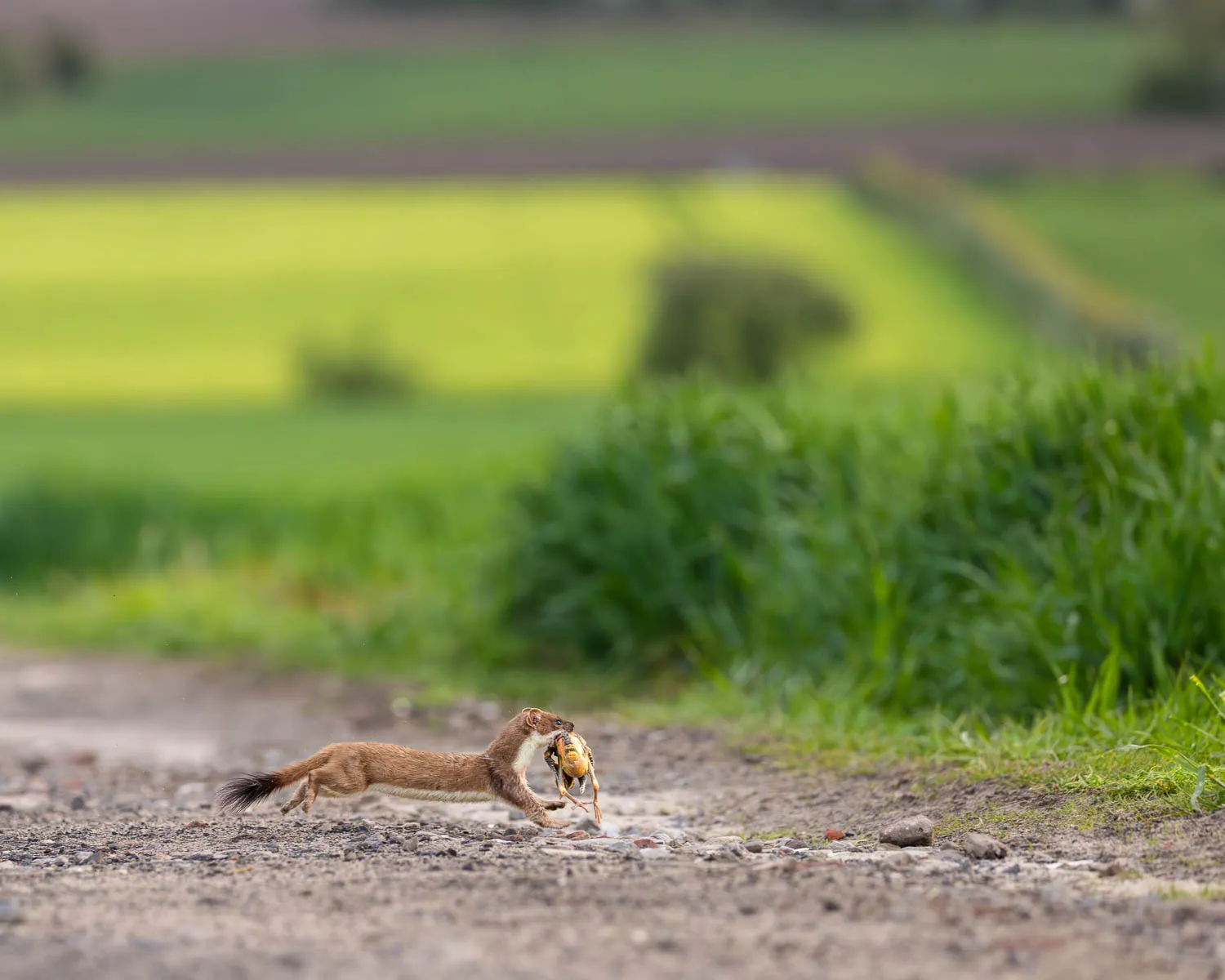
Wildlife photography fieldcraft is second nature to me now. It’s the cheat code that gets me closer to wildlife without ever needing to break cover. If this sounds like your cup of tea, I’m in the process of writing a longer piece on Wildlife Photography Fieldcraft that expands on these ideas and shows why good fieldcraft will outperform any gear upgrade.
Why Is Patience the Most Underrated Skill in Wildlife Photography?
You can’t rush truly wild encounters, and you definitely can’t force them; they’re earned through time and effort.
Patience is the secret to my success. I realised early on that nature can’t be coerced; it acts on its own terms. You can’t rush truly wild encounters, and you definitely can’t force them; they’re earned through time and effort. One of the biggest improvements I made to my photography was accepting that not every trip results in an image.
Patience is a real test of character. Even now, there are moments when I start second-guessing myself, when I feel the urge to change locations, or call it a day. Patience is the voice of reason that reminds me I’m doing everything right. Some of my bigger projects span weeks, weeks spent patiently watching for small details, interactions and behaviour. And when everything finally comes together, the experience is always worth it.
If there’s one skill I think is seriously underrated in wildlife photography, it’s patience. Like the other principles, it doesn’t cost a penny, and the return is priceless. If you would like to read more about why I believe patience is key in wildlife photography, I cover it in more detail in my extended article.
Discover why patience is my secret to success →
Explore My Ethical Wildlife Photography Guides
It’s no secret that biodiversity is struggling. I believe photography can play a small but meaningful role in raising awareness of the beauty of the natural world. If my work encourages even one person to care a little more about wildlife, then it’s doing its job.
To help you share your own encounters with nature responsibly, I’m creating a series of guides that live and breathe the principles that define my work: ethics, fieldcraft, and patience. Each one is written with first-hand experience and features genuine moments out in the field. My first guide shows you how to photograph wild barn owls respectfully, without risking disturbance.
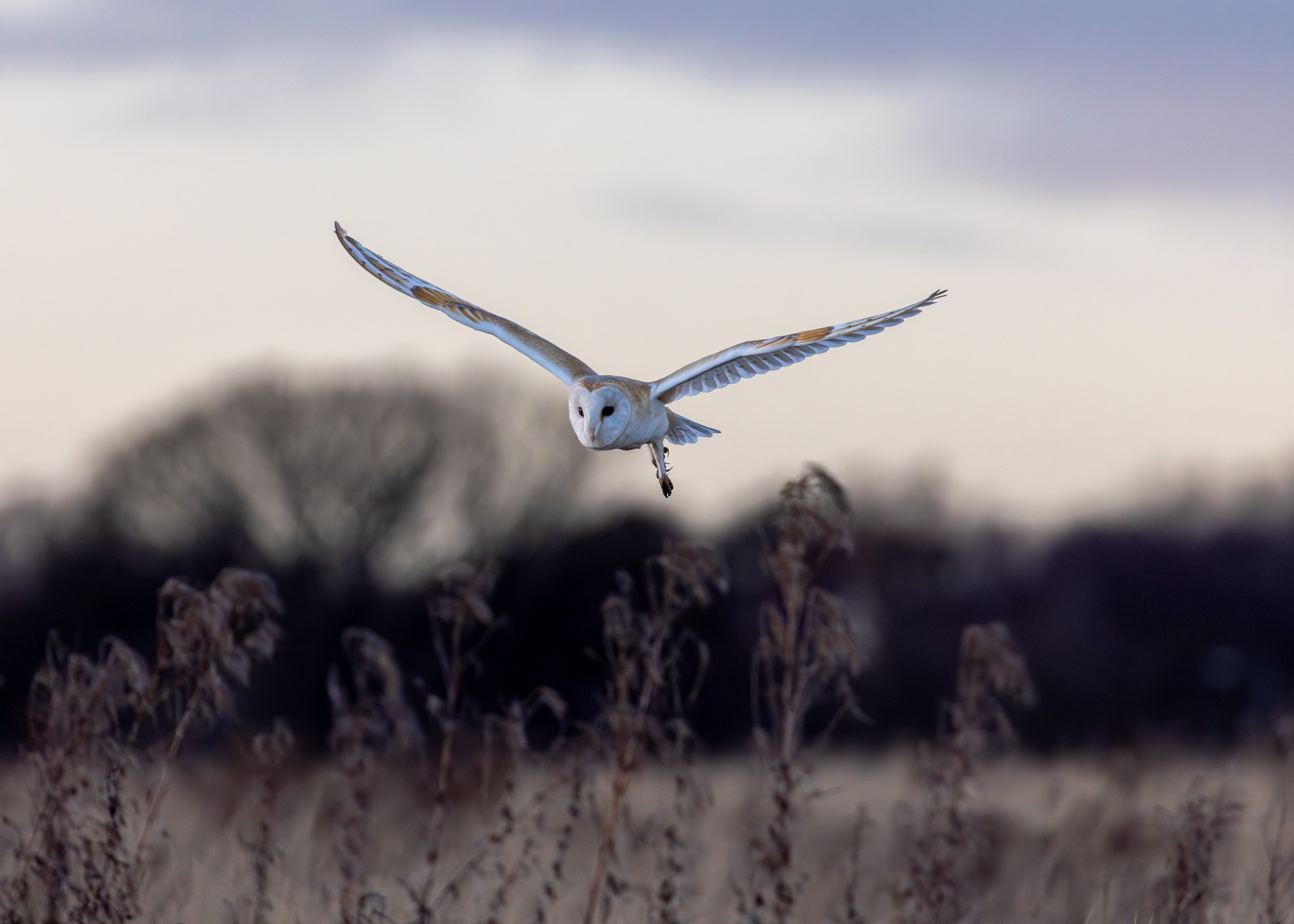
Read the Art of Ethical Barn Owl Photography →
A-Z of Wildlife Behaviour, Fieldcraft, and Photographic Terms
Wildlife photography and the art of fieldcraft come with their own language, a mix of universally used terms and acronyms. You’ll see many of them throughout my writing, sometimes without any explanation of what they mean. To keep things clear and accessible, especially if you’re just starting out, I’ve put together a couple of simple glossaries to help you understand the language we use in the field.
The ultimate A-Z of photographic terms →
A-Z of wildlife behaviour and fieldcraft terms →
Regular Field Notes Posts
As well as my guides, I regularly publish Field Notes posts; raw insights into my experiences out in the field. They’re written pretty much as things happen, capturing my decisions, successes, failures, and the lessons I learn along the way. They’re far from polished, but they’re a real account of what my nature photography looks like behind the scenes.
Read more about local wildlife photography adventures →