
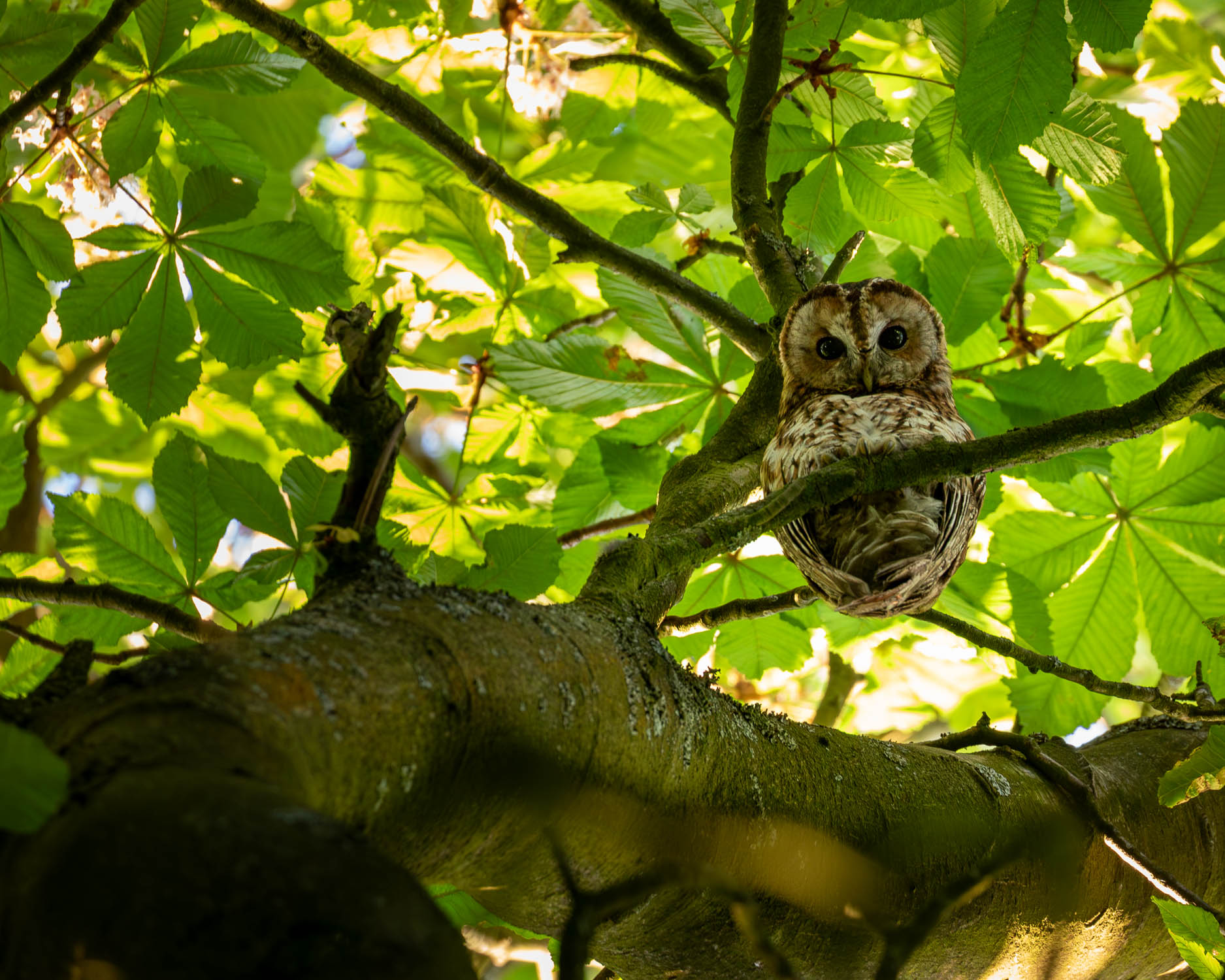
Social media can be misleading at times, especially for wildlife photography. More often than not, we only see the best of an artist’s work, or the exciting cuts that make a video. And it makes sense, it’s engaging. Most of us don’t want to watch a five-hour-long video where nothing happens until the final few minutes.
The purpose of this post isn’t to be critical; it’s to be upfront about aspects of wildlife photography that most YouTube videos don’t show in enough detail. The patience, the ethics, and the heartbreak; the reality of wildlife photography.
Be Comfortable Being Uncomfortable
Wildlife photography is a patience game, there’s no two ways about it. This is something that is always lost in translation with YouTube videos. Most videos are around fifteen minutes long and packed with action. The reality is that behind each encounter are most likely hours of nothing. Hours spent sitting awkwardly under a makeshift hide, twiddling thumbs, waiting and hoping for a sighting of your subject.
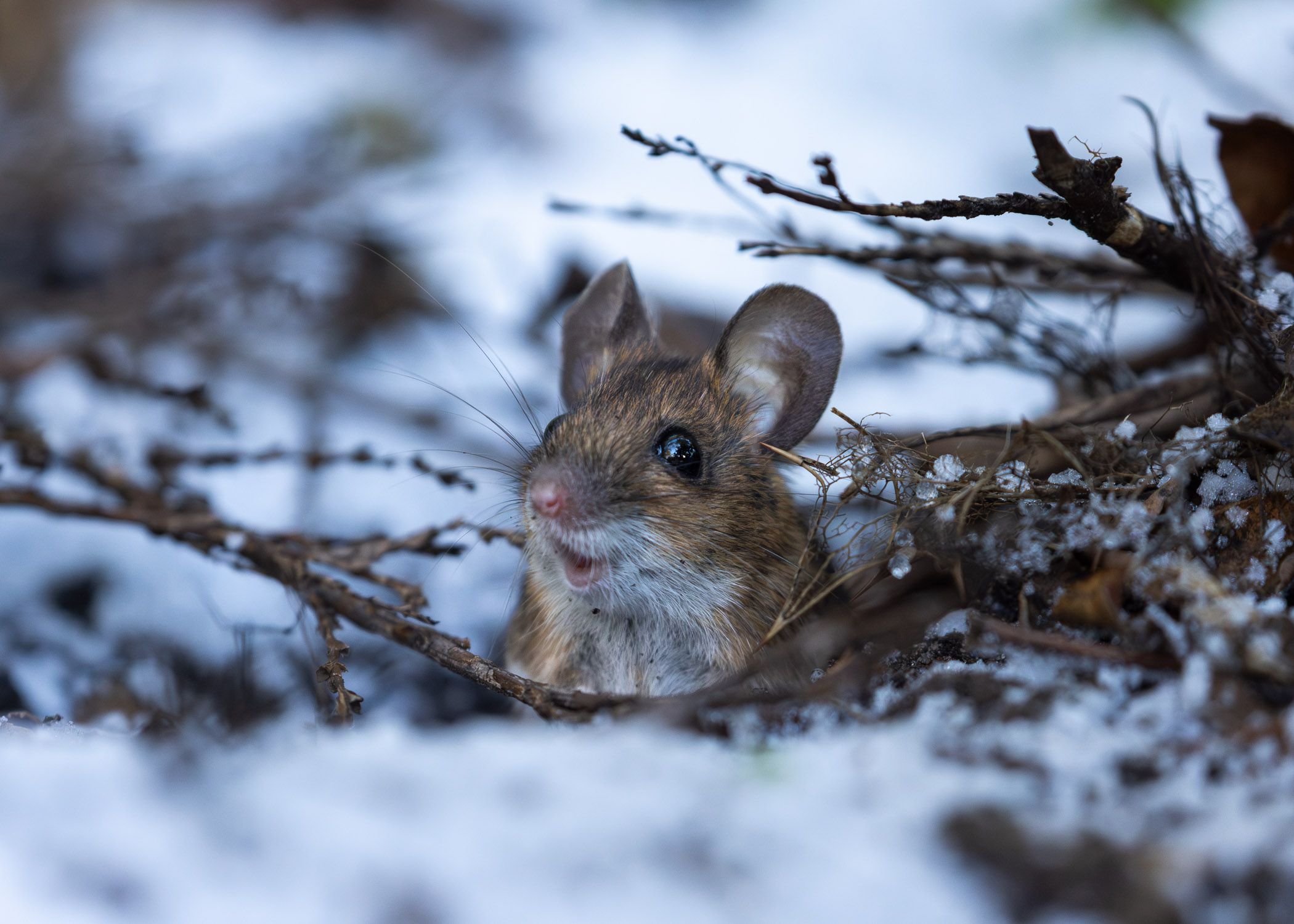
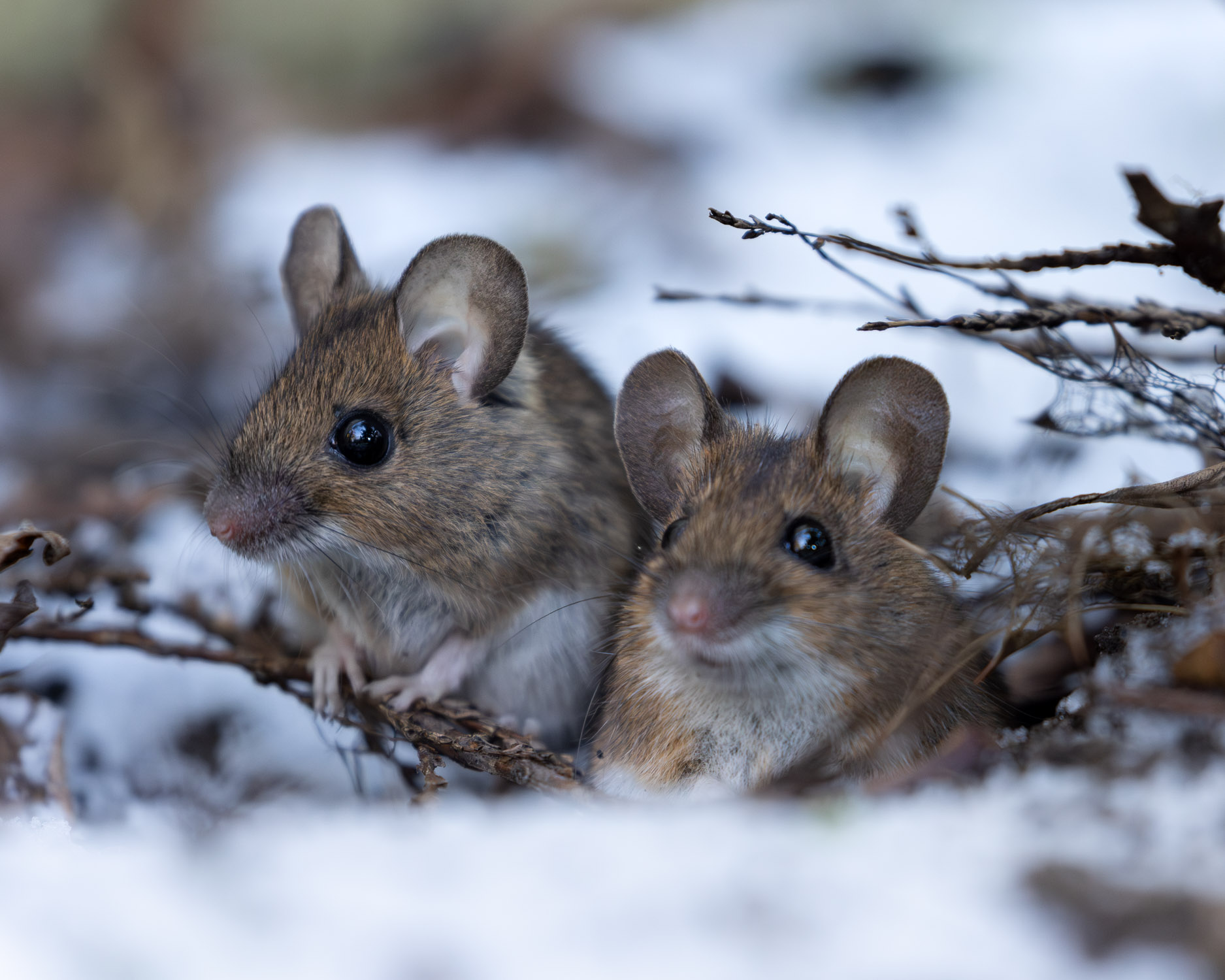
The expression on this wood mouse says it all. “What do you mean I have to sit still for hours with no guarantees of a photograph?!?”
Nothing in wildlife photography is guaranteed. You can do everything right: ethics, fieldcraft, time of day, and still walk away empty-handed. And, truthfully, this will happen more often than you would like. Capturing elusive subjects or unique behaviours takes time; don’t be disheartened if you don’t get the shot the first time.
Be comfortable being uncomfortable. Wildlife photography is a real test of patience and persistence. You’ll know when you’re doing it properly. After hours spent glued in the same spot, you’ll be battling aches, dead legs, chills, and you’ll probably have wet clothes, but at least your camera battery will be full. Jokes aside, know that this is an experience every wildlife photographer goes through, and it’s all part of the journey.
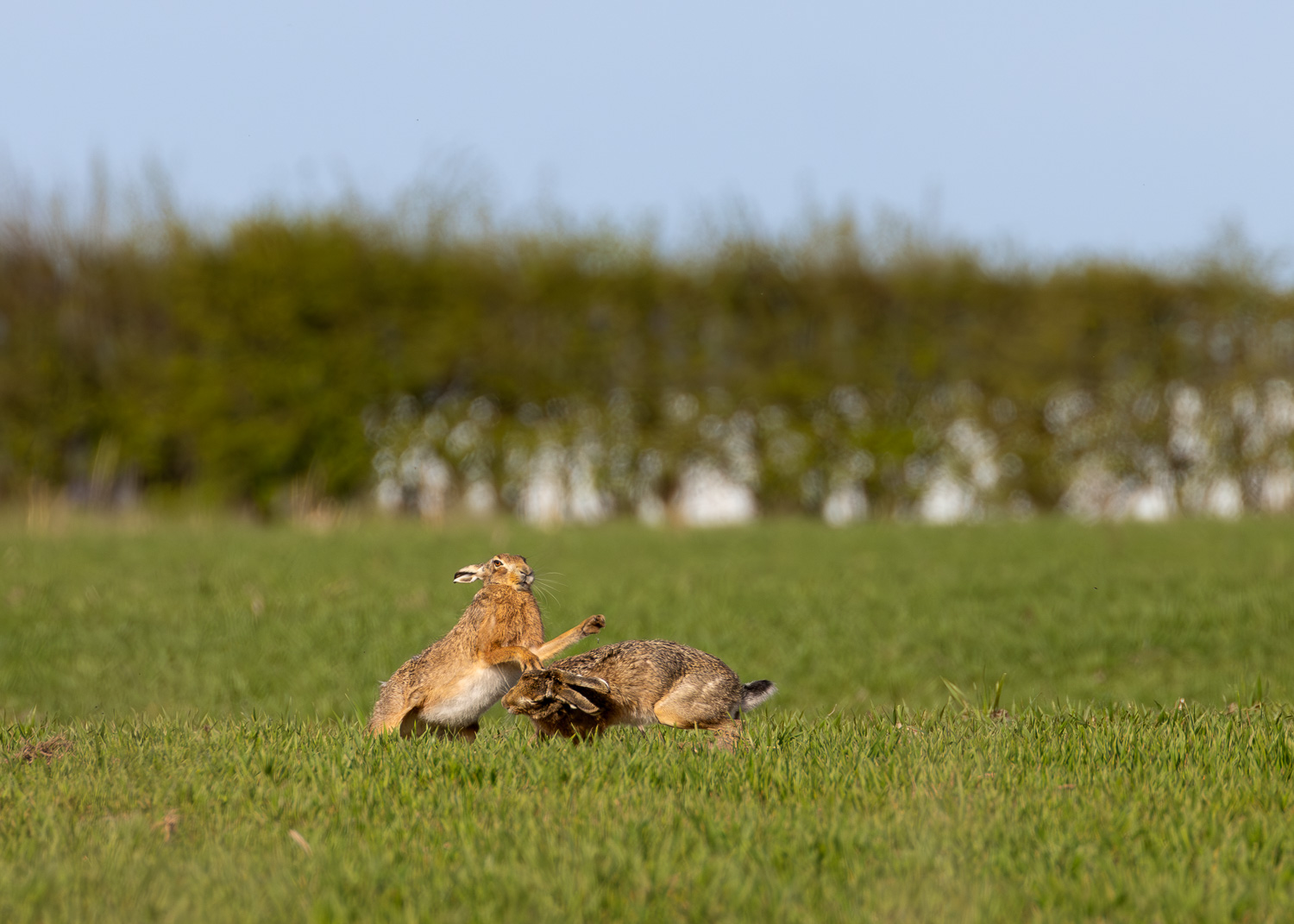
Boxing hares caught on camera after more than four weeks of returning to the same spot throughout “mad March”.
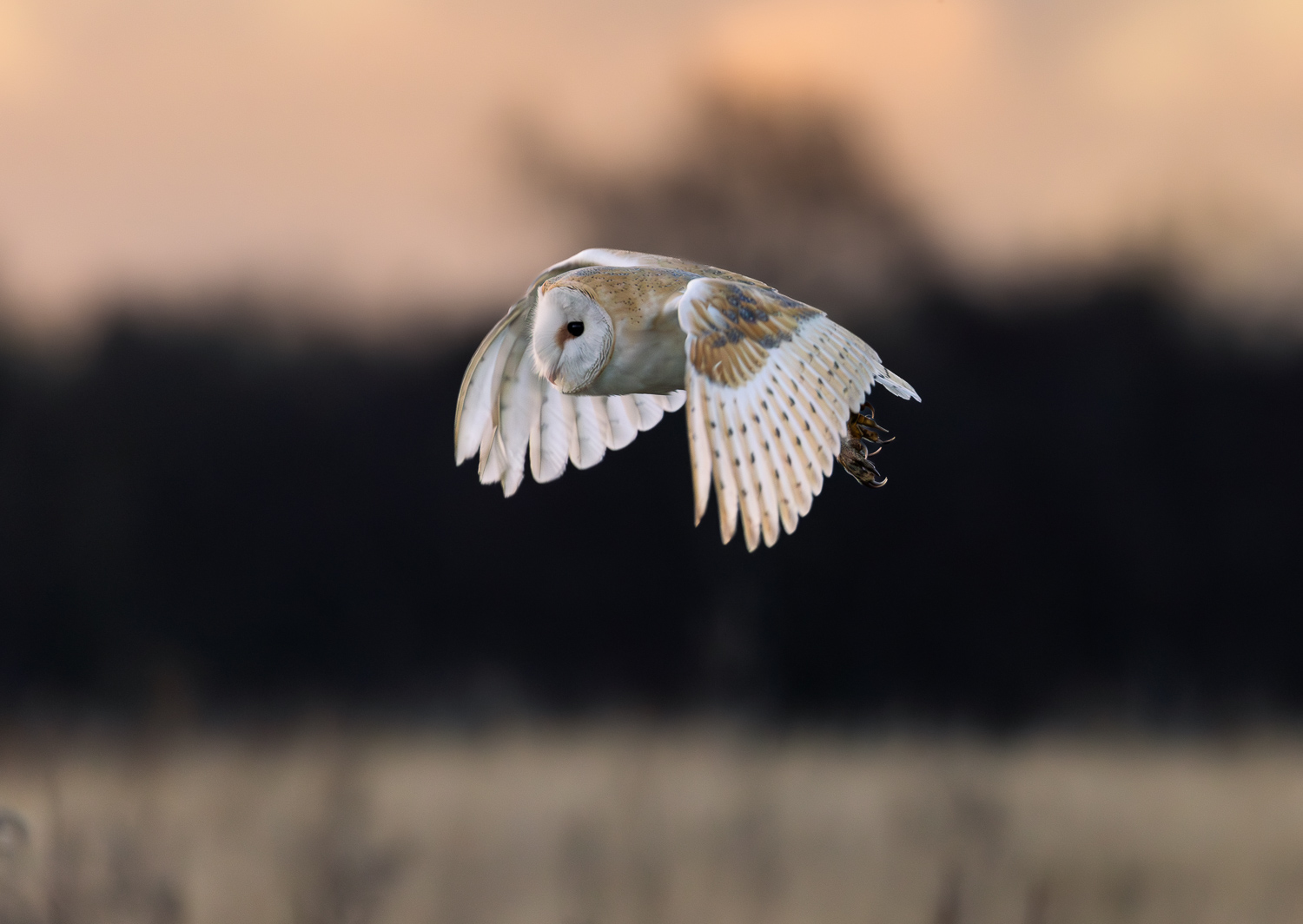
Months of fieldcraft and scouting throughout summer and autumn led to a close-up with this beautiful barn owl during the depths of winter.
Unexpected Moments of Heartbreak
When we think of wildlife photography, we think of painting our subjects in their best light. A barn owl quartering over a field during the most intense golden hour light, or the moment a kingfisher commits to a dive from a favourite perch. We shouldn’t do it, but most of us will go out with a dream shot in mind. It gives us something to work towards and keeps us focused.
The more time we spend outdoors, capturing the best of our subjects, the more we raise the bar. But if you spend enough time outdoors, either with your subjects or looking for them, you may eventually encounter something that catches you off guard, a moment of heartbreak.
Fragile in Nature
The best way I can illustrate this is with an example.
For a long time now, I’ve had the dream of photographing a wild fox in my local area. I absolutely adore them. I’ve had sightings in the past, but only ever managed to achieve a barely usable ICM shot.

I’d built up an image in my head of how I wanted the eventual encounter to play out. I know it doesn’t work this way, and that often all this does is lead to disappointment. But never for one second did I think it would lead to heartbreak.
I was recently out in the woods photographing native bluebells. Just after the sun had set, I took the time before dark to scout out possible compositions for a return visit later in the week. As I wandered through the woodland, my eyes caught something on the ground. Realising what it was, my heart sank. The delicate body of a deceased fox cub.
I was almost in tears at the sight. When we spend so long picturing our dream encounters, we almost forget just how truly fragile nature can be. This was a sobering encounter for me and one that will stay with me for the wrong reason.
Nature is beautiful, but not all moments turn out to be the cheerful encounters we’d hoped for. Some moments remind us just how delicate the natural world is, making ethical practice a must for all wildlife photographers.
Ethics in Wildlife Photography
Most wildlife photographers have nothing but respect for nature, and it shows through their work. This goes hand in hand with ethics.
The problem is that YouTube videos don’t cover ethics in anywhere near the detail it deserves. This isn’t because the authors don’t care, far from it. It’s more likely due to time constraints and the need to create engaging content. There’s possibly an assumption that viewers are regulars and more than clued up about ethical practices.
For those new to wildlife photography, ethics should be at the heart of every decision you make. It’s our priority as photographers to protect our subjects and avoid causing distress or harm. Let’s take a look at some of the important considerations.
Wildlife and Countryside Act 1981
Most of our native species within the UK are protected by the Wildlife and Countryside Act 1981. This act protects nesting birds and their eggs, as well as various mammals and their natural habitats.
As wildlife photographers, our actions must never harm or distress wildlife. Our role is to observe and document nature as it is, without any interference.
Recognising signs of distress
When we accidentally venture too close or move unexpectedly, we might unintentionally cause distress to wildlife. Most of the time, this will be answered with our subjects turning their backs and leaving the area at speed. Hares, or deer, for example.
Sometimes, nature gives us a second chance. Take barn owls, if a barn owl looks your way, it has noticed you. This is its first sign of distress. It means whatever you have done has drawn its gaze, and you either need to stop or back off and give it the space it deserves.
Learn to recognise the signs of distress in your subjects so that you know when something isn’t right.
Respect distance
Wildlife behaves most naturally when it’s undisturbed. The best way we can ensure this is to respect distance. Don’t be tempted to creep forward for a closer view. It’s never worth the risk.
Work on fieldcraft skills that bring wildlife to you. Blend into your environment, sit patiently and low to the ground, and eventually you’ll be rewarded.
No baiting or playback
Baiting and playback have no place in wildlife photography. They’re harmful practices that remove or alter wildlife’s natural behaviour.
Playback in particular can have terrible consequences. Many of the UK’s native species are territorial. Playback can cause distress in these creatures, leading to aggression or abandonment of the area altogether.
Baiting and playback prioritise the image over the well-being of wildlife, and they’re completely unnecessary. Invest your time in fieldcraft as an alternative, a skill that will stay with you for life and lead to natural encounters.
Seasonal awareness
Wildlife adapts to the changing seasons in the same way the landscape does. Some seasons are more demanding than others. It shouldn’t come as any surprise, but winter and early spring are a true test of nature’s resilience.
Be aware of seasonal impacts and how they influence behaviour. Throughout winter, it’s important for wildlife to conserve energy. The last thing we want to do as wildlife photographers is disturb our subjects, forcing them to use up valuable energy.
As spring approaches, the focus turns towards new life. It’s vitally important that we avoid wandering away from paths where possible, especially when walking across fields. Ground nesting birds and small mammals such as leverets are incredibly vulnerable to disturbance.
Think about protecting tomorrow’s wildlife, today.
Leave no trace
Our actions shouldn’t be destructive. As wildlife photographers, we’re effectively ambassadors for nature. This is a valuable role to carry, and it should reflect in our approach.
Wherever you are, wherever you visit, leave the area exactly as you found it. Avoid trampling wildflowers or venturing away from paths, and don’t decorate areas to make them more appealing.
Perfection isn’t natural. If you prefer clean backgrounds, scout for them in advance. To achieve subject separation, you generally want a background that is roughly 15-20m away from your subject.
Most importantly, take all litter home.
Seek the land owner’s permission
As wildlife photographers, we’re always drawn to those perfectly wild fields, primed with wildlife, but there’s a catch. It’s private land. As tempting as it might be, it’s important not to trespass. Find out who owns the land and have an honest, open conversation. Most of the time, if you’re respectful and polite, landowners won’t have any issue with you using their land for wildlife photography.
It can be daunting at first, but it gets easier the more conversations you have. A lot of landowners are fountains of knowledge, and they’ll often happily give tips and insights into recent sightings or calls they’ve heard. They love nature just as much as we do.
If you’re granted permission to access private land, make sure you leave no trace and respect the land. Access is a privilege that shouldn’t be taken for granted.
Keep locations vague or private
The best thing we can do to protect wildlife is to keep locations vague or private. Even photographers with good intentions can add pressure to sensitive areas. The last thing we want is a location to go viral, leading to a sudden increase in footfall. More people visiting a location means more pressure and increases the chances of distress and habitat damage.
Not everyone who sees our work has the same intentions. A small minority, and that’s all it takes, may be out there to cause harm to the wildlife we love. It’s a shame that we almost have to become gatekeepers, but for the well-being of nature, it’s a stance worth upholding.
If you feel a location helps add context to your work, try to be as vague as possible. Use a broad area or a type of habitat (generic woodland, meadow, etc.) rather than providing the exact name and coordinates of the area.
Be an Ambassador for Nature
We should be proud of what we do. Through wildlife photography, we share the beauty of nature. We encourage others to stop and not only look at our work, but form their own connections with the outdoors. This makes it incredibly important that our hearts are in the right place.
Don’t be disappointed by those long, unproductive sessions sat under makeshift hides. Embrace them. These moments define us and are what make the end result meaningful. Hold yourself to the highest ethical standards and set an example for the future generation of nature ambassadors.
Be prepared for those moments that catch you off guard. Nature is beautiful, but it can also be incredibly raw and fragile, which is why ethical practice matters so much in wildlife photography.
Enjoy moments in nature, share emotional connections with your subjects and inspire others to appreciate how truly precious our natural world is.
Related Topic
Now that you’re familiar with ethics and managing your expectations as a wildlife photographer, you’re ready to head out into the field! Before you do, my ethical guide to photographing wild barn owls is the next natural step in your journey.
You’ll build upon everything covered in this post, and also learn about the importance of fieldcraft in real-world encounters.
FAQs
How close can I get to wildlife?
Always maintain a respectful distance. Wildlife behaves most naturally when it’s undisturbed. If a creature stops and looks your way, it has noticed you, and you should either stop or back off and give it the space it deserves.
Is baiting or playback acceptable in wildlife photography?
No. Baiting and playback have no place in wildlife photography. These practices alter natural behaviour and can cause stress, especially in territorial species. Playback can lead to aggression or abandonment of the area altogether. Patience and fieldcraft are far better alternatives.
How important is patience in wildlife photography?
Patience is the key to success. Most encounters come after hours of nothing, and long, uncomfortable sessions spent under makeshift hides are normal. They’re part of the journey and make the final moments much more meaningful.
Should I share the exact locations of wildlife sightings?
It’s best practice to keep locations vague or private. Even photographers with the best intentions can add pressure to sensitive areas, and it only takes a small minority to cause harm. Protecting wildlife sometimes means being careful about the information we share.
Should I ask permission to photograph on private land?
Yes. Many wild areas throughout the countryside often lie on private land. A polite conversation with landowners, explaining your intentions and love for nature, often goes a long way. Most landowners will be happy to help, often sharing sightings and local knowledge. If you’re granted the privilege of access, treat the land with respect and leave no trace.