
Welcome to my clear A–Z glossary of wildlife behaviour and fieldcraft terms commonly used in the context of nature and the outdoors landscape. This glossary will help you understand commonly used phrases and acronyms that describe natural behaviour, habitats, and fieldcraft techniques.
Each term is listed alphabetically for ease of navigation, and you can also click the letters below to jump directly to any section.
You may also find my A-Z of Wildlife Photography and General Photographic Terms helpful if you’re looking for camera or photography‑specific definitions.
A
Adaptations
Adaptations are inherited physical and behavioural traits that help animals survive in the wild.
Alarm call
An alarm call is a vocal warning made by animals that signals imminent danger or a perceived threat.
Allopreening
Allopreening is when two or more birds groom or preen one another, helping to tackle hard-to-reach parasites whilst strengthening social bonds.
Ambush
An ambush is a hunting tactic used by predators that involves lying in wait for prey rather than actively seeking it.
Anthropomorphism
Anthropomorphism is the attribution of human behaviour, traits, and emotions to animals, insects, and inanimate objects.
Approach distance
The approach distance is the closest point you can get to an animal without risking disturbance or causing it to flee.
Aerial hawking
Aerial hawking is a term used to describe birds and insects that catch prey in flight.
B
Basking
Basking is a thermoregulatory behaviour that animals and insects use to control their body temperature.
Bird in Flight (BIF)
Bird in Flight, or BIF, is a commonly used term to describe photographing airborne birds.
Browse
Browse refers to edible vegetation such as shrubs, leaves, twigs, and shoots.
Browsing line
A browsing line is a line of vegetation that has been eaten as high as an animal can reach.
Browsing pressure
Browsing pressure is a phrase used to describe the visible impact caused by an animal or group of animals repeatedly feeding on vegetation.
Burrow
A burrow is a tunnel or den habitat that has been excavated underground by an animal for the purpose of living, sleeping, and rearing young.
C
Caching
Caching is the process of storing food in one or many locations for later use.
Camouflage
Camouflage is the use of natural features and disruptive pattern materials to break up the human outline, helping you blend into the landscape and observe wildlife without risking disruption.
Corridors
Corridors are the routes used by animals as a safe passage between habitats.
Courtship display
A courtship display is a specific behaviour or ritual used to attract a mate.
Cover
Cover is a term used to describe natural features that provide camouflage and/or protection from potential threats.
Crepuscular
Crepuscular is used to describe animal activity that peaks around sunrise and sunset.
D
Disturbance
A disturbance is any action that disrupts the natural behaviour of wildlife.
Diurnal
Diurnal animals are those that are most active during daylight hours and sleep during the night.
Drey
A drey is simply a name for a squirrel’s nest.
Drumming
Drumming is a territorial behaviour used by woodpeckers to establish and defend their territory.
Dust bathing
Dust bathing is a maintenance behaviour used by birds and mammals to clean themselves using patches of dirt or dry sand.
E
Edge habitat
An edge habitat is a physical boundary between two habitat types in which various species of wildlife thrive.
Ethical fieldcraft
Ethical fieldcraft is a skill used to responsibly locate and observe wildlife whilst prioritising the wellbeing of nature.
Evasion
Evasion is an immediate and reactive course of action taken by prey to avoid predators.
F
Flee initiation distance
The flee initiation distance is the distance at which an animal decides to run from an approaching threat.
Flight path
A flight path is the specific route used by birds and insects when moving through the air.
Flushing
Flushing is the deliberate or accidental disturbance of an animal, causing it to flee and waste valuable energy.
Foraging
Foraging is the process of searching for food resources.
Form
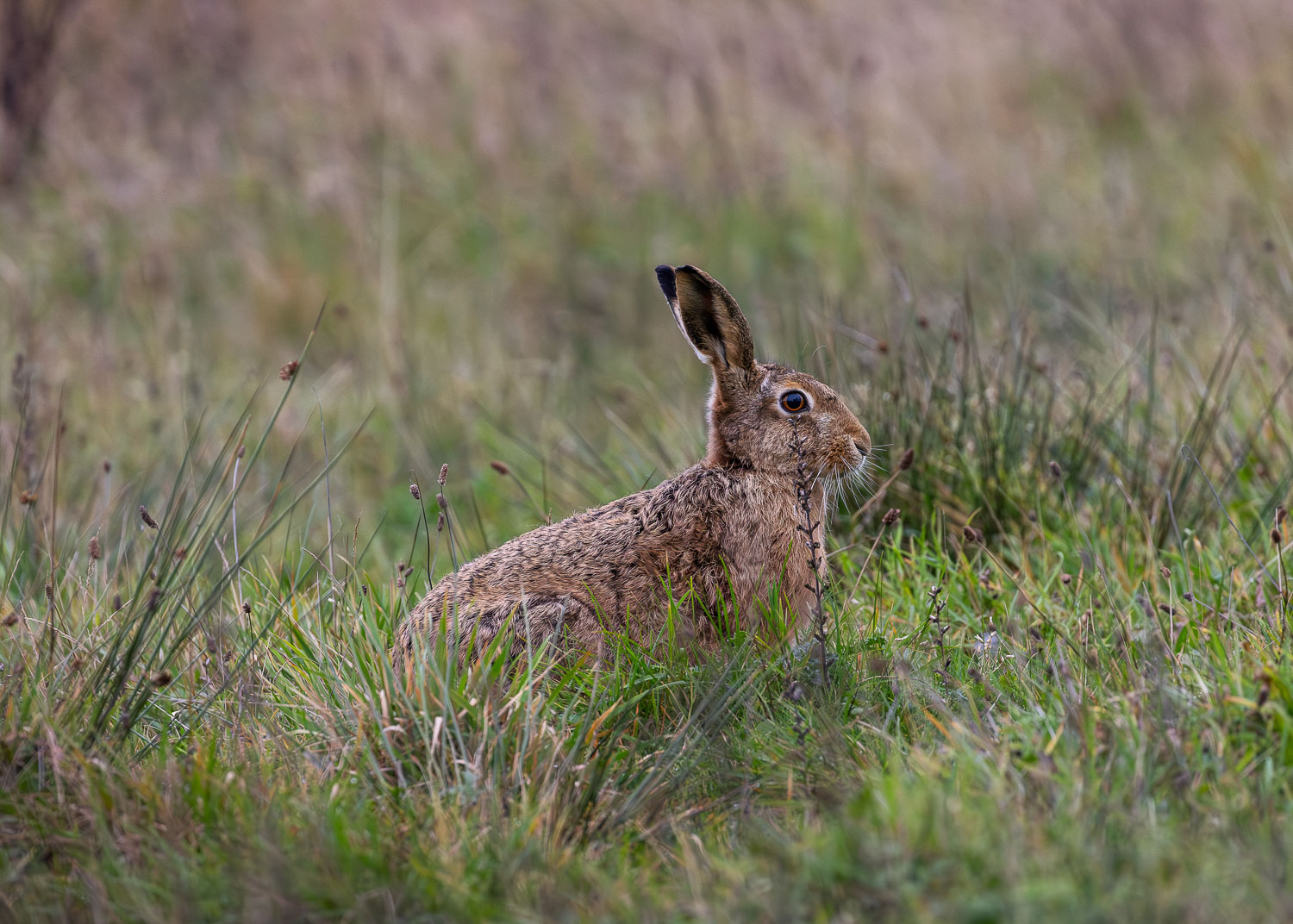
A form is a shallow depression, often in long grass, that hares use for resting.
G
Gleaning
Gleaning is a method of foraging used by birds which involves searching for insects in foliage.
Ground signs
Ground signs are physical indications of activity that are left behind by an animal that has passed through the area, such as tracks, droppings, and feathers.
H
Habituation
Habituation is a term used to describe animals that have learned to ignore the repetitive and non-threatening presence of humans.
Hawking
Hawking is a process birds such as swallows and swifts use to catch insects on the wing.
Hide
A hide is a structure or improvised shelter used to remain unseen by wildlife.
Home range
A home range is the area an animal uses to carry out its daily activities.
Hovering
Hovering is a specialised technique that specially adapted birds and insects can use to remain perfectly still when airborne.
I
Incubation
Incubation is a process egg-laying animals use to manage the heat and humidity transferred to eggs to ensure the successful development of embryos.
Indicator species
An indicator species is the presence of (or lack of) commonly identified species, giving an idea of the health of specific habitats.
Imprinting
Imprinting is a natural process of bonding when a newborn animal comes to recognise its parents.
J
Jinking
Jinking is a method of evasion in which prey animals use sudden, unpredictable movements when attempting to escape predators.
K
Keystone species
Keystone species are animals that are key influences on the stability and creation of entire ecosystems.
Kleptoparasitism
Kleptoparasitism is the stealing of food from one animal by another.
L
Latrine
A latrine is a specifically made hole in the ground used for defecation by animals such as badgers.
Lek
A lek is a communal area used by males to perform courtship rituals.
Lie-up
A lie-up is a temporary resting spot used by foxes, hares, and deer.
Loafing
Loafing is used to describe periods of inactivity, which animals use to preen or rest.
M
Mantling
Mantling is a specific behaviour used by certain raptors whereby they spread their wings over recently caught prey to hide it from others.
Marking
Marking is a scent-based territorial signal made using urine, scat, or glands.
Midden
A midden is a pile of discarded food remains.
Mobbing
Mobbing is when a group of animals work closely together to reduce the potential threat from a predator.
Moulting
Moulting is the process of shedding old outer coatings to be replaced by new growth.
N
Nesting territory
A nesting territory is an established area that animals actively defend for protection, resting, and breeding.
Nictitating membrane
A nictitating membrane is a transparent or translucent “third eyelid” that protects the cornea.
Nocturnal
Nocturnal animals are those that are primarily active during the night and asleep during the day.
O
Observation points
Observation points are safe places to observe wildlife activity without causing disturbance.
Omnivore
Omnivores are animals that feed on both plants and other animals.
On the wing
On the wing is a term used to describe birds that are actively flying.
P
Pellet
A pellet is an indigestible clump of fur, feathers, teeth and bones, frequently regurgitated by birds of prey such as owls and kestrels.
Perch
A perch is a regularly used resting or hunting position.
Preening
Preening is the behaviour birds use to clean and rearrange feathers using their beaks.
Q
Quarry
Quarry is used to describe an animal (usually prey) that is being pursued and hunted by a predator.
Quartering
Quartering is an efficient hunting technique used by owls to scan active hunting grounds using a series of passes to cover a large area in search of prey.
R
Roost
A roost is a safe place birds and bats use to rest and sleep.
Run
A run is an easily identifiable route across a landscape used by animals (such as hares) and caused by repeated movement.
Rut
A rut is an extreme breeding behaviour characterised by high energy and high aggression.
S
Scat
Scat is mammal droppings that can be used for species identification and for tracking signs of activity.
Sett
A sett is a network of excavated underground tunnels and tunnel entrances used by badgers.
Sign
A sign is a signal of wildlife activity; the presence of feathers, scat, food remains, etc.
Stalking
Stalking is the technique of quietly tracking an animal without causing disturbance.
Sunning
Sunning is the process by which animals use the thermal radiation from the sun to regulate their body temperature.
T
Territory
A territory is an area actively used and aggressively defended by animals.
Tracks
Tracks are visible, identifiable prints left behind by passing animals.
Trail
A trail is a well-used and visible route through vegetation.
Twitching
Twitching is the process of travelling long distances to see a bird that has been located and identified by someone else.
U
Upland habitat
Upland habitats are higher-elevation landscapes, typically above 300m, such as moorland, heathland, and bogs.
Understory
An understory refers to the lower levels of vegetation that sit beneath a woodland canopy.
V
Vantage point
A vantage point is a raised or well-concealed position used for spotting animals and signs of activity.
Vocalisations
Vocalisations are identifiable calls used by wildlife for communication.
W
Wader
A wader is a name given to a group of birds that are adapted to shallow water feeding.
Warren
A warren is a network of tunnels used by rabbits.
Whitewash
Whitewash is chalk-like droppings from birds of prey, commonly found on favoured perches, roosting spots, and nesting sites.
Further Reading in Wildlife Photography
The Value of Patience – discover how patience transformed my wildlife photography.
My Nature-first Approach – learn how ethical practice helps me to prioritise the wellbeing of nature.
Wildlife Photography Gallery – a collection of wildlife photography from my local area.
Guides and Resources – a hub of knowledge to help you on your photography journey.