
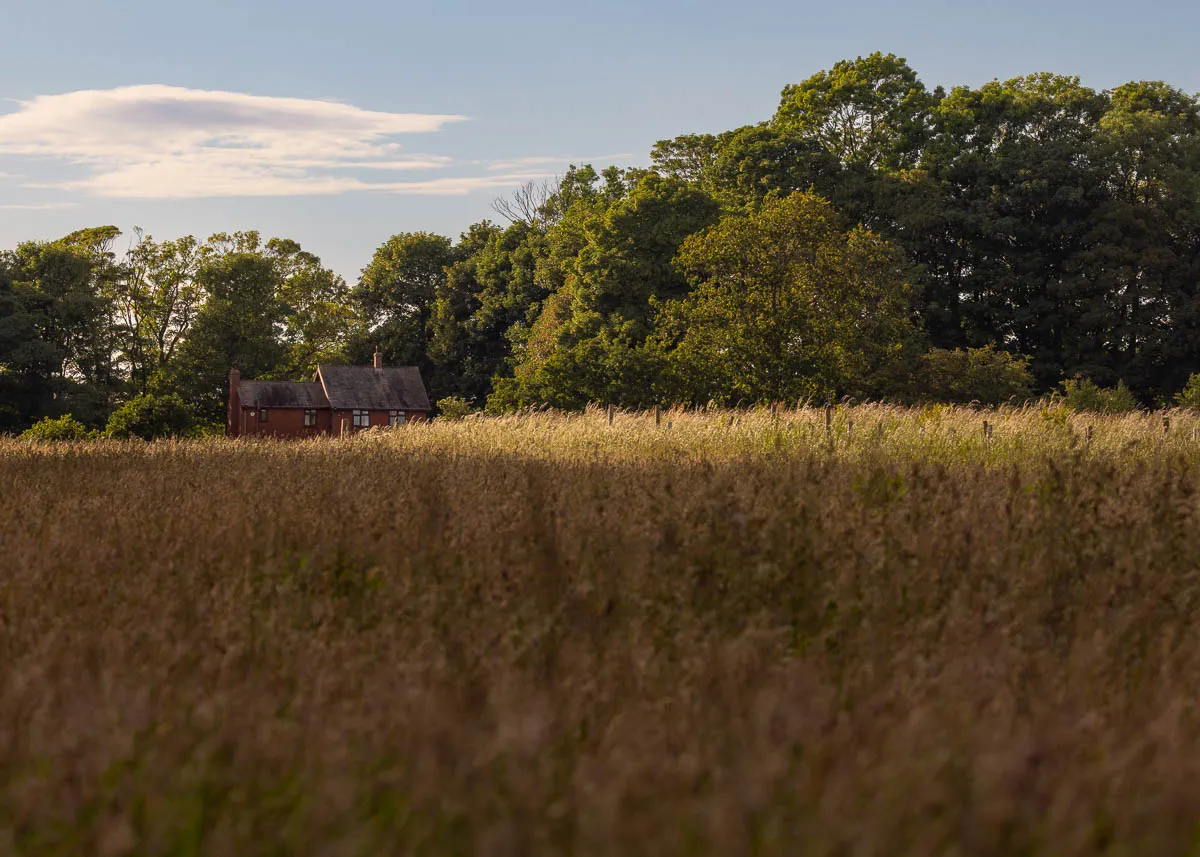
Nature photography, especially wildlife photography, is more accessible than ever. Mirrorless cameras have revolutionised the industry for new enthusiasts, and that is a wonderful thing. But if you’re searching for the single most valuable upgrade for nature photography, you might be surprised to learn it isn’t a lens or a camera. It’s a good old flask of tea.
You can’t rush nature photography; it’s a game of patience. In a world of blisteringly high frames per second, AI-assisted tracking, and subject detection, it’s easy to lose our connection to our subjects. A good old trusty cuppa when out in the field is the perfect excuse to slow the pace and focus on what really matters, and that’s patience and fieldcraft.
The Importance of a Flask of Tea
So, to clarify, when I say the most important item for nature photography is a good flask of tea, it’s a bit of a metaphor for patience. I never leave home without one. Why? Because a nice warm brew out in the field encourages me to relax. When I’m in the zone, I feel like my senses are more finely tuned to subtle details such as distant calls and faint rustling.
Enjoying the nation’s favourite warm beverage out in the field also reminds me that failure isn’t a bad thing. In the past, I’d beat myself up if I returned home without the shot I was hoping for. Now I embrace it. Enjoying time outdoors surrounded by the landscapes and species I love is all that matters. A photograph is just a bonus.
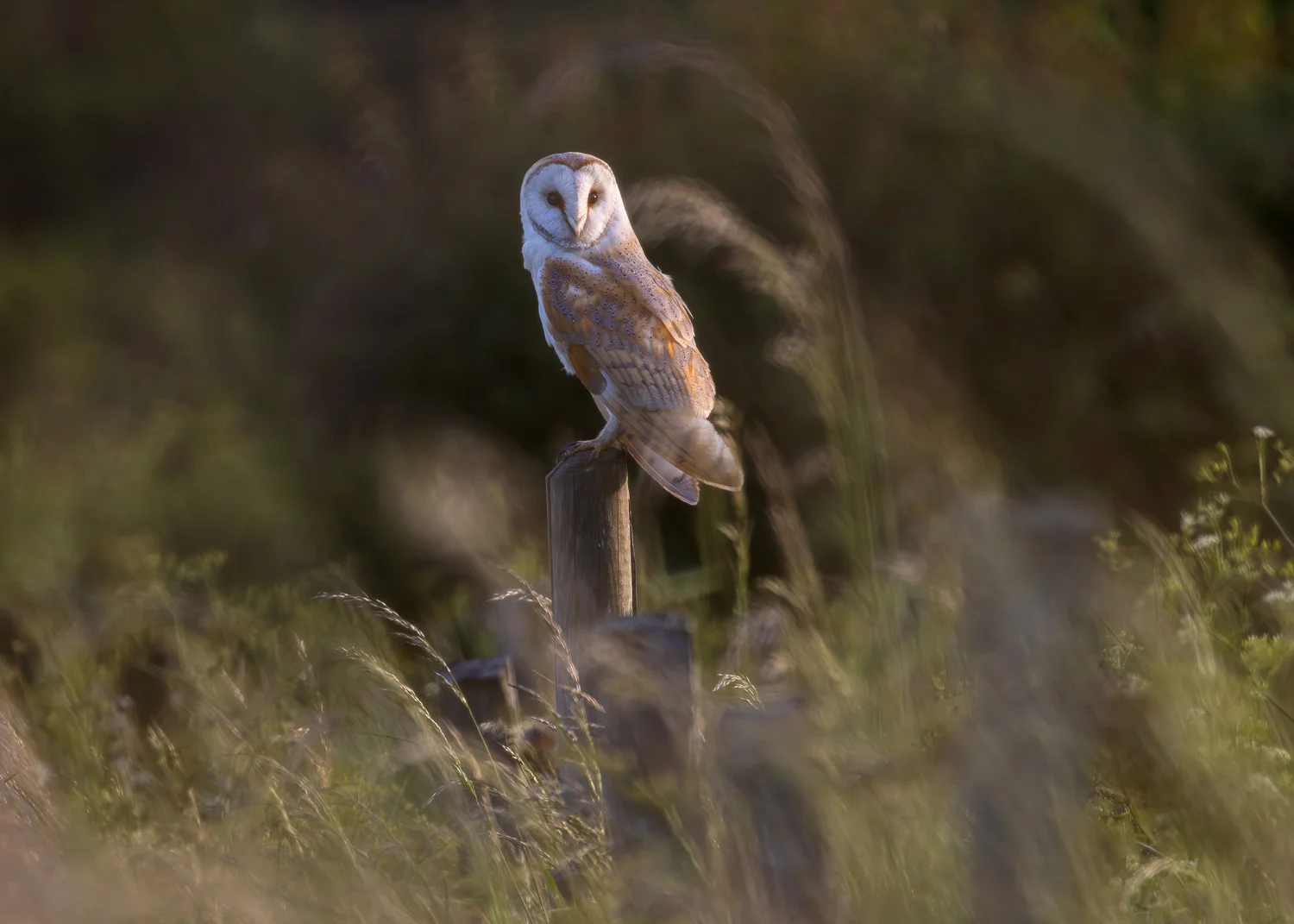
I get it; some of us don’t have as much free time to enjoy the outdoors due to life commitments. Don’t let that pressure you into believing failure is a bad thing. Nature photography isn’t a race; it’s a lifelong journey. There will always be another opportunity, and that’s what patience teaches us. Good things come to those who wait.
It’s sad to see the value of patience being drowned out on social media. What should be one of the core pillars of nature photography is often overshadowed by the perception that gear equals success.
The Social Media Trap
One thing I’ve noticed over the past few years is that nature photography groups, particularly on Facebook, have exploded in popularity. It’s heartening to see so many people turning to nature. It helps raise awareness of our beautiful landscapes and species, which need our help more than ever. This is something I’m extremely passionate about, and forms the foundation for my year-long project titled Wild Rainford.
Unfortunately, there’s a lot of noise in the modern-day nature photography industry, particularly on social media. Conversations tend to drift more towards physical camera equipment. I’m not saying equipment doesn’t play a part. It’s just not as important as you may be led to believe. Technology and social media pressures are pulling us away from the aspects that really matter in nature photography: patience, fieldcraft, and ethics.
The dilution of fieldcraft
More and more, I’m noticing the wrong questions being asked across social media. “What camera did you use?” “What lens did you use?” “Where was this taken?” Maybe I’m just old school, but hardly anybody seems to ask about fieldcraft or patience. Whilst technical settings can help us understand how a certain look was achieved, specific hardware isn’t the heart of nature photography.
Honestly, I think that when we start to consider gear over our approach, we risk moving towards a disconnect from our subjects.
It’s natural to take inspiration from others, just like it’s natural to want to stand out from the crowd. But don’t let online success cloud your approach. When it comes to nature photography, hardware comes second. Nature photography is an intimate art of connection that can only be understood through patience and fieldcraft. You can have the best camera equipment available, but if you don’t understand your subject, you will never unlock the full potential.
Patience and fieldcraft are the core of nature photography
I said it before, and I’ll say it again: gear isn’t the be-all and end-all. There will always be new technology and new software “revolutionising” the industry. But this isn’t necessarily a good thing. Modern-day cameras are doing a lot of heavy lifting, and as a result we’re slowly losing our connection to nature and to our subjects.
Filling a card with thousands of shots, hoping one of them hits the mark, isn’t the direction we should be heading in. When in the field, I like to ask myself an honest question: would I have gotten the shot without modern technology? If the answer is no, then I know there’s a possibility I don’t understand my subject as much as I thought.
Some of the most iconic nature photographs ever captured were done so using nothing more than film and old SLR cameras. The emphasis was on patience and exceptional fieldcraft, not high bursts or advanced AI subject detection and tracking. If you didn’t understand your subject, you didn’t get the shot. It was that simple.
Nature will always give us cues of its intent. Once we learn what to look out for, we can begin to predict patterns and behaviour. It takes time, but it’s worth it, and that’s where the trusty flask of tea comes in.
Swap the Camera Upgrades for a Flask of Tea
I feel like I have to state this isn’t a tea-sponsored post (although Yorkshire Tea, if you’re reading this, I wouldn’t say no!)
Put your camera down; in fact, put it away for a moment. Let me explain why I keep going on about a humble flask of tea. It all boils down to patience.
When we sit with a camera glued to our eye, the temptation is always there to track and capture every single micro-movement our subjects make. But as I’ve already touched on, by doing this, we completely miss the subtle cues that indicate imminent, explosive or intimate behaviour.
Take the time to understand these cues. Look for the impact of changing light on the landscape, subtle behaviours before an explosive movement, and natural interactions with the environment. These are the moments we should be noticing, and when you do, you’ll feel like you’ve finally cracked it. A classic example is the kingfisher’s iconic head bob as it gauges the angle and depth of its prey before diving.
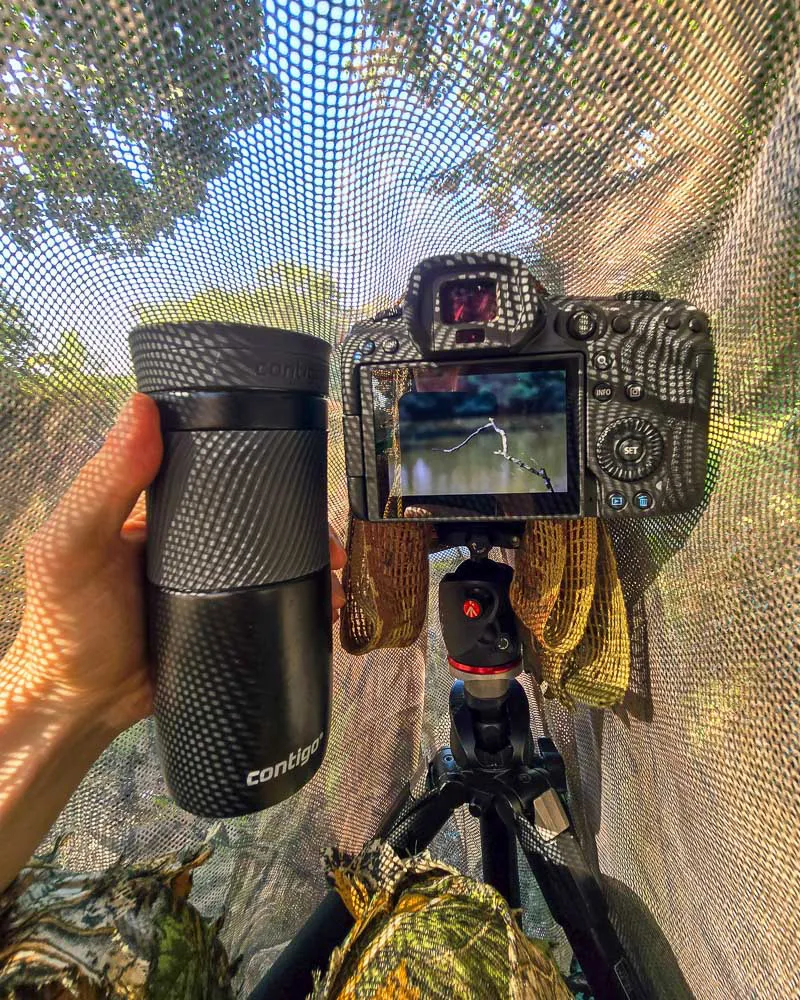
Nature photography cannot and should not be rushed. Even if your time in the field is limited, it’s far more valuable to spend those hours observing and learning. That way, the next time you return, you will be in a far better position to capture something truly unique.
Personally, I would much rather spend a few hours outdoors with a good cuppa and return home with an empty memory card, rather than a card full of thoughtless “spray and pray” frames.
Key Takeaway
Gear matters. Of course it does…to an extent. What matters more is how we approach nature photography. Your bank balance will be glad to know that the best upgrades you can make won’t cost you a penny. Well, maybe twenty quid for a vacuum flask. Patience, fieldcraft, and ethics. These are the three core principles that will level up your photography more than any lens or camera upgrade ever could.
So, before you head back outdoors, treat yourself to a new vacuum flask and enjoy a brew with a view. Slow down your photography, connect with your subjects, and good things will happen.
Cheers!
Let Me Know Your Thoughts
I’d love to hear your thoughts in the comments section below. Do you agree, or do you see things differently? Are we losing sight of what truly matters in nature photography?